National Dish Madagascar: Koba (Recipe)
In this article
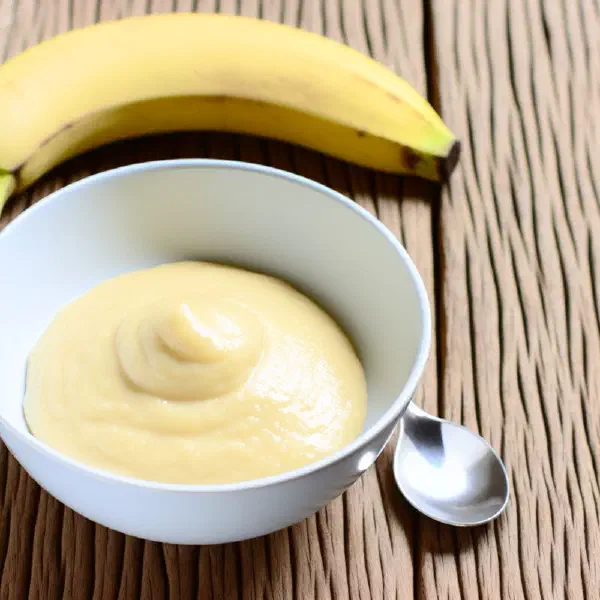
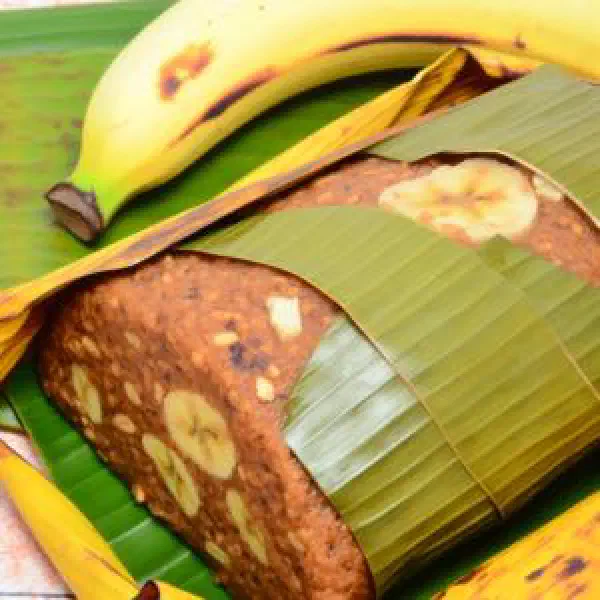
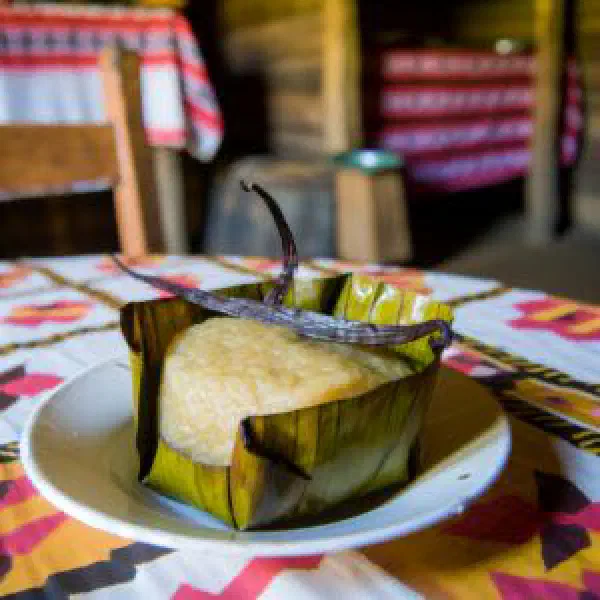
Say hello to Koba, one of Madagascar’s most cherished sweet snacks. This good treat brings together peanuts, rice flour and ripe banana in a soft, tender dough that is wrapped in banana leaves and gently steamed. The result is a subtly sweet, nutty bite with a wonderfully unique texture. A firm favourite at festivals and family gatherings, koba is easy to make at home and offers a lovely taste of the island’s flavours.
About Koba
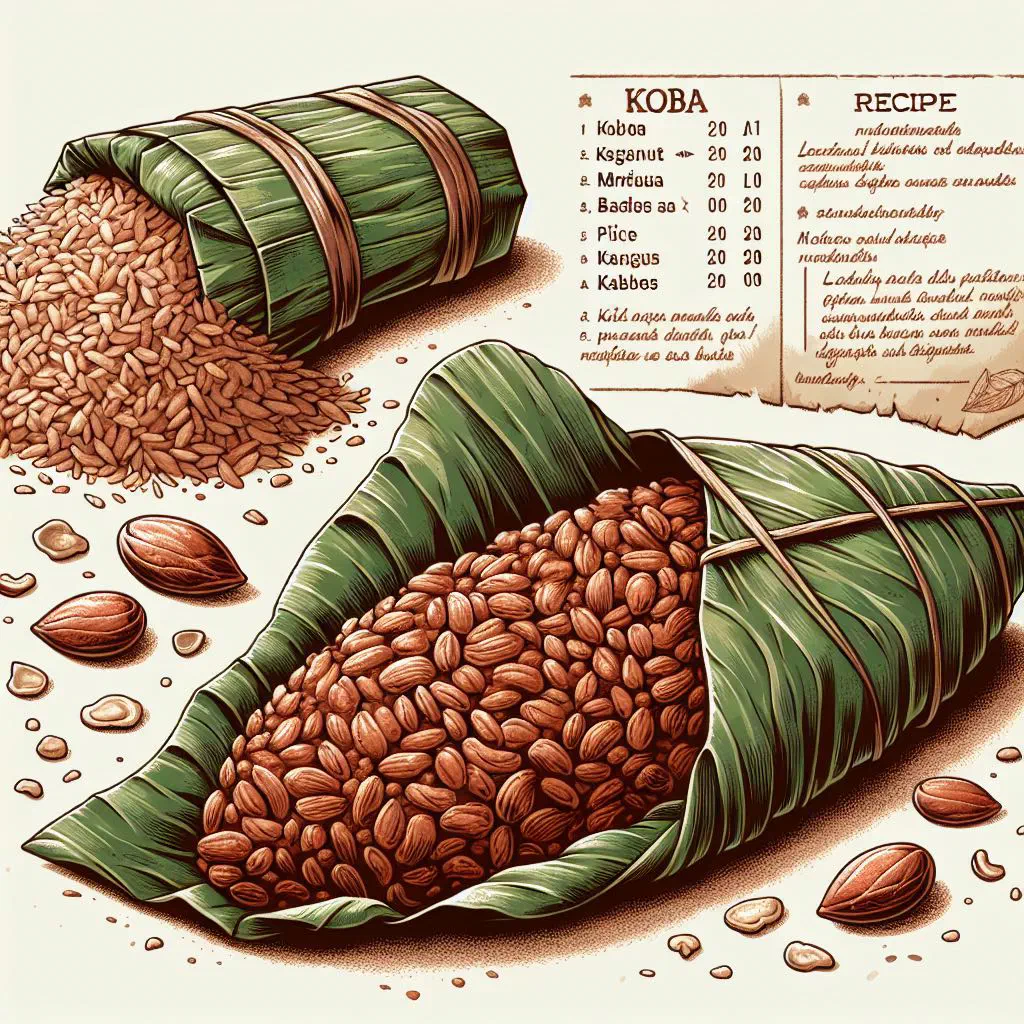
Koba is a traditional Madagascan dish, celebrated as much for its delicious flavour as for its cultural significance. It is made from a rich blend of peanuts, rice flour and bananas, worked together into a smooth, tender dough. The mixture is then carefully wrapped in banana leaves and steamed, which gives it a very special texture and aroma. At many festivals and celebrations across Madagascar, koba is among the most popular snacks, one that simply cannot be missed.
Ingredients (serves 1–2)
- 150g rice flour
- 100g roasted peanuts
- 2 ripe bananas
- 50g sugar
- 1 pinch of salt
- Banana leaves, for wrapping
Shopping for the ingredients
The ingredients for koba are easy to find in most Asian or African grocery shops. Take care to choose fresh, good-quality bananas and peanuts, as they have a real influence on the flavour of the finished dish. The rice flour is just as important for achieving the right consistency. If you have trouble tracking anything down, many of these ingredients can also be ordered online.
Preparing the dish
Before you start making koba, it is worth getting all your ingredients ready. First, roast the peanuts if they are not already roasted, to deepen their flavour. The bananas should be nicely ripe, as this makes the dough sweeter and smoother. Finally, prepare the banana leaves for wrapping by blanching them briefly in hot water so they become more flexible and easier to fold.
Step-by-step instructions
- Coarsely grind the roasted peanuts using a blender.
- Mash the ripe bananas in a bowl.
- Mix the rice flour, ground peanuts, sugar and salt thoroughly with the mashed bananas.
- Knead the mixture into a smooth dough.
- Spoon portions of the mixture onto the banana leaves and wrap them up tightly.
- Steam the parcels in a steamer for 30 minutes.
Gluten-free / lactose-free version
The basic recipe for koba is naturally gluten-free and lactose-free, as it is made mainly from rice flour and plant-based ingredients. Just make sure that all the products you use are certified gluten-free, especially if they may have been processed in an environment where gluten is present. This makes koba a wonderful choice for anyone with intolerances or for those who prefer a gluten-free diet.
Tips for vegans and vegetarians
Koba is a vegan dish, as it contains no animal products at all. Do check, however, that the sugar you use has not been filtered through bone char, to ensure it is entirely free from animal ingredients. The recipe can also be tweaked easily to create different flavours without breaking any vegan principles. For example, you could try other sweeteners such as agave syrup.
More tips and tricks
To get the very best flavour from your koba, you can add spices such as cinnamon or vanilla to refine the dough. Experiment with the quantities of the ingredients to reach the perfect consistency. If you fancy more crunch, consider folding a few whole roasted peanuts into the mixture. And don’t forget to wrap the parcels well during preparation to stop the filling leaking out while it steams.
Adapting the recipe to your taste
Koba offers plenty of scope for variations to suit your personal preference. You can use different kinds of nuts to give the dish your own signature note. The sweetness can be adjusted too, so you can make koba as sweet or as mild as you like. Add fresh fruit or dried fruit to make the dish even more interesting and to boost its nutritional value.
Ingredient substitutions
If you don’t have access to banana leaves, you can use aluminium foil to wrap the dish instead. It won’t quite deliver the traditional flavour, but it makes a good alternative. Be sure to use high-quality peanuts, too, as they give koba its unmistakable taste. If you are allergic to peanuts, cashews or almonds can be used instead. Just bear in mind that this will change the flavour, much as it would in a nutty Godrogodro.
Drink pairing ideas
Koba pairs beautifully with fruity drinks that complement the sweetness of the dish. A cool lemonade or a fresh fruit smoothie can really highlight its flavours. A green tea or herbal tea are also excellent options for balancing the taste. These drinks refresh and help the flavours of the dish come fully into their own.
Serving and presentation ideas
To present koba attractively, arrange the steamed parcels decoratively on a plate and garnish with fresh fruit slices. Using colourful leaves or flowers in the presentation can add lovely visual accents too. You might also dust a little icing sugar over the top for an elegant touch. These small details make enjoying koba even more inviting and build the anticipation of that first taste.
A bit of history
Koba has deep cultural roots in Madagascar and is often linked to a variety of local traditions and festivals. Preparing and enjoying koba is frequently tied to celebrations where the community gathers to eat and rejoice together. Historically, it was valued as nourishing food for travellers and workers, as it is easy to carry and to eat. Today koba is a much-loved snack and a symbol of Madagascan identity and culture, sitting proudly alongside classics of Madagascan cuisine such as the hearty stew Romazava.
More recipe ideas
Summary: Koba
Koba is a distinctive dish from Madagascar that captures the flavours of the region perfectly. The combination of ripe bananas, peanuts and rice flour makes it a beloved snack that is both traditional and thoroughly delicious. With its many variations and possibilities for adaptation, koba suits every palate. Next time you fancy trying something new, give this wonderful recipe a go and let the flavours of Madagascar work their magic.