National Dish Malawi: Chikanda (Recipe)

In this article
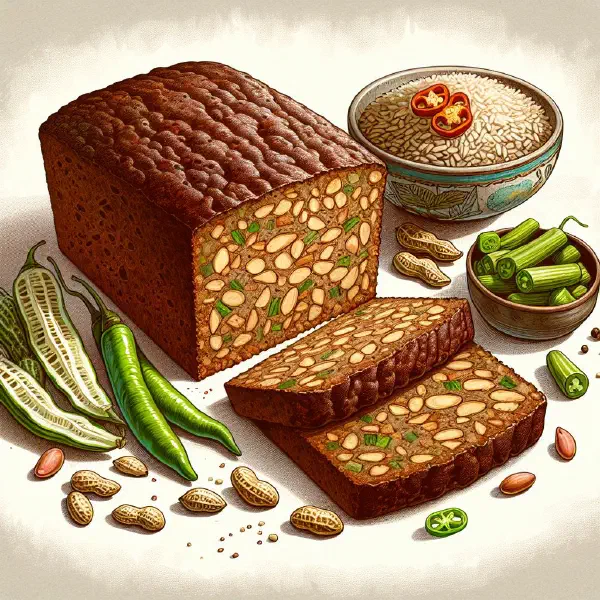
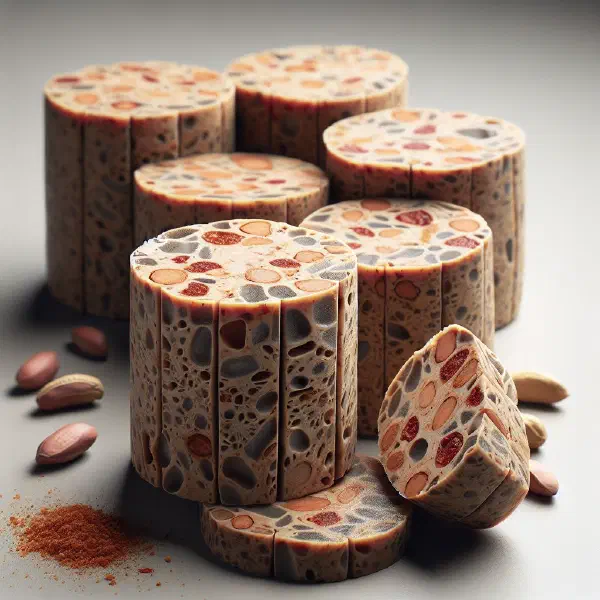
Discover Chikanda, one of Malawi’s most intriguing traditional treats. Often called “African polony”, this firm, savoury loaf is built from wild orchid tubers and ground groundnuts, then simmered, set and sliced. It carries a hearty texture and an earthy, nutty flavour that has made it a favourite at feasts and gatherings across the country. Bring a taste of Malawian tradition to your own kitchen with this simple, wholesome recipe.
About Chikanda
Chikanda is a traditional national dish of Malawi, prepared from the tuber of a wild orchid plant sometimes known as the “Zambezi orchid”. Its preparation is closely bound up with the culture and customs of the Malawian people. You will often find chikanda served at festivals and special occasions, prized for its taste and as a good source of nutrients. In many households it is served with a range of accompaniments, and it is popular with locals and visitors alike.
Ingredients (serves 1–2)
- 200 g chikanda tuber (dried or fresh)
- 500 ml water
- 1 teaspoon salt
- 1 teaspoon paprika (optional)
- 2 tablespoons groundnuts (ground)
Shopping for the ingredients
To make chikanda you will need freshly gathered or dried chikanda tubers, which are sold in many African or Asian grocery shops. The salt and paprika are everyday store-cupboard items available in any supermarket. The groundnuts can be bought either raw or roasted, though roasted peanuts lend the dish a particularly delicious flavour. When buying the tubers, look for good-quality specimens that are clean and free of blemishes.
Preparing the dish
Before you start cooking chikanda, clean the tubers thoroughly and, if using fresh ones, cut them into small pieces. Dried tubers should be soaked in water for at least a few hours, or overnight, to improve the texture. Make sure all the other ingredients are within easy reach so the cooking runs smoothly. A tidy, well-organised work surface keeps things simple and helps you make the most of your cooking time.
Step-by-step instructions
- Place the soaked or fresh chikanda tuber in a pan with 500 ml water.
- Add the salt and paprika and bring the mixture to the boil.
- Reduce the heat and let it simmer gently for around 30–45 minutes, until the tubers are soft.
- Stir in the ground groundnuts and mix well.
- Pour the chikanda mixture into a mould rinsed with water and leave it to cool until firm.
- Turn out the set chikanda, slice, and serve.
Gluten-free / lactose-free version
Chikanda is naturally gluten-free and lactose-free, which makes it a great choice for anyone with those intolerances or allergies. You need only the chikanda tuber and the other listed ingredients to make a delicious dish that contains nothing with gluten or lactose. As always, check the labels on spices and other ingredients when shopping to be sure there are no hidden gluten or lactose components.
Tips for vegans and vegetarians
Chikanda is an excellent choice for vegans and vegetarians, since the dish contains no animal products at all. You can swap the groundnuts for other nuts or seeds to achieve different flavours. It also pairs beautifully with a variety of vegetable sides to broaden its nutrients and add extra aromas. Experiment with spices or fresh herbs to tailor the dish to your own taste, the way a rich Mtedza Butter can be seasoned to preference.
More tips and tricks
One important tip is to stir them occasionally, making sure they cook evenly. If you are after an extra dimension of flavour, add a little onion or garlic while cooking. Be sure to combine the chikanda mixture thoroughly before pouring it into the mould, so the finished loaf has an even consistency. Let it rest in the fridge for at least an hour before serving, giving it plenty of time to set.
Adapting the recipe to your taste
Chikanda is easy to adapt to personal preference by adding different spices or wholesome extra ingredients. If you like it hotter, add chilli or cayenne pepper to give the dish more of a kick. A scattering of fresh herbs, such as coriander or parsley, can also change the flavour profile considerably. Feel free to get creative and shape the recipe around your own needs and tastes.
Ingredient substitutions
If you cannot find chikanda tubers, there are several alternatives worth trying. Sweet potatoes or yams are just as nourishing and offer a similar texture, much as they do in a plate of Spiced Mashed Sweet Potatoes. You could also use other root vegetables such as carrots or parsnips. To adjust the dish to your liking, try swapping the groundnuts for different nuts, such as cashews or almonds.
Drink pairing ideas
A range of drinks rounds out a plate of chikanda nicely. A fresh fruit juice, such as mango juice or simply water with lemon, sits well against the dish’s savoury flavours. Alternatively, serve a light beer or a fruity white wine for a harmonious pairing. Refreshing teas, especially peppermint tea, are another excellent option and offer a lovely contrast to the earthy aromas of the dish.
Serving and presentation ideas
Presentation can lift the whole chikanda experience considerably. Serve it in a handsome bowl and garnish with fresh herbs or lightly roasted nuts. An attractive arrangement can make the dish look wonderfully appetising. Serving it on traditional Malawian tableware can also highlight the cultural value of the dish and enrich the whole dining experience.
A bit of history
Chikanda has a history that runs deep in the culture of Malawi. The preparation of the dish is often passed down from generation to generation, making it a meaningful part of Malawian identity. The tubers used for chikanda have been gathered for centuries and remain important to the Malawian diet. This dish symbolises a culinary heritage and community and the sharing of food among friends and family, a spirit at the heart of Malawian cuisine.
More recipe ideas
Summary: Chikanda
Chikanda is a fascinating and flavourful dish that plays an important role in Malawian culture while being healthy and nourishing too. With its many possibilities for adaptation and its choice of accompaniments, it is easily shaped to personal taste. By using fresh, locally available ingredients, you too can make this simple yet delicious dish at home.