National Dish Malawi: Kafumbu (Recipe)
In this article
Discover Kafumbu, a heart-warming taste of Malawi. This traditional dish brings together maize meal and a colourful mix of fresh vegetables to create a simple yet deeply satisfying meal. Often prepared for festive gatherings, kafumbu is as much about community and togetherness as it is about flavour. Bring a little of Malawi’s warmth and hospitality straight to your own kitchen.
About Kafumbu
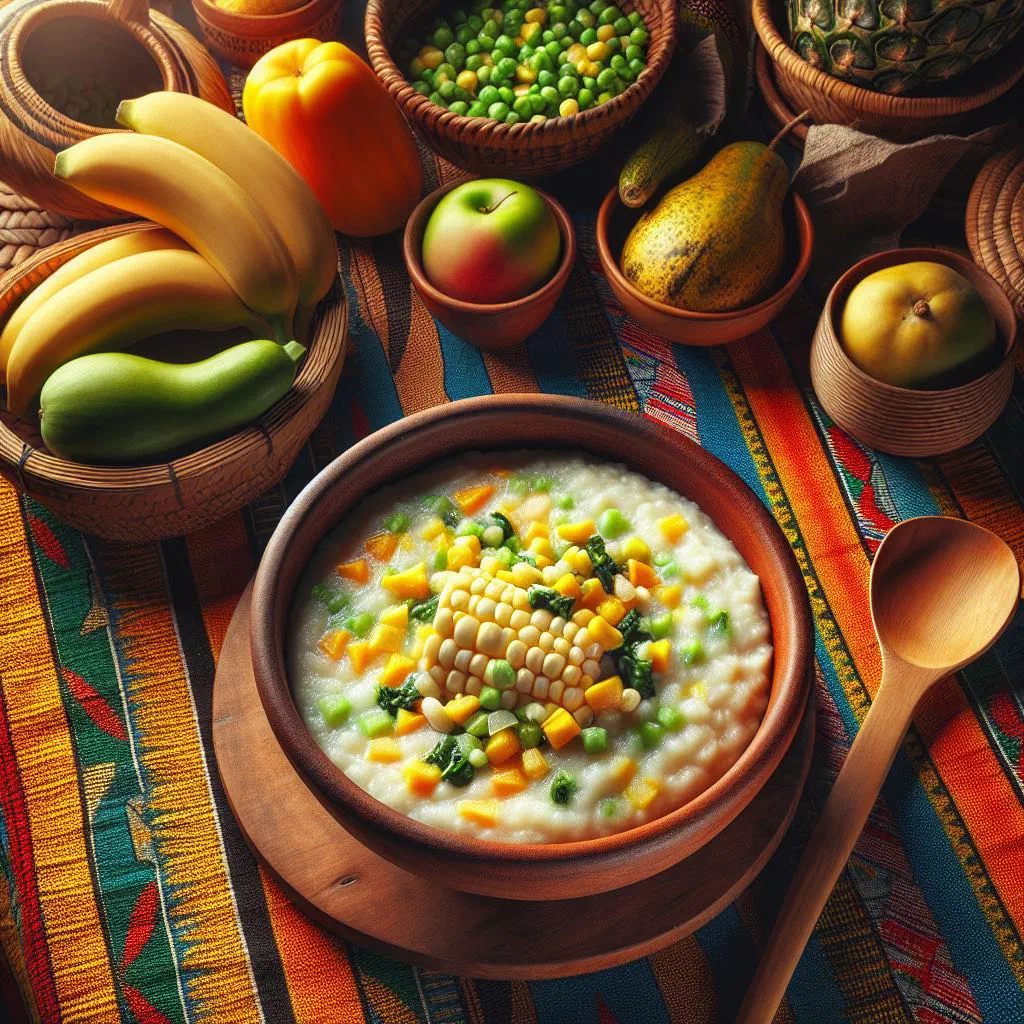
Kafumbu is a traditional dish from Malawi that stands out for its hearty flavour and for its cultural significance. At its heart is a delicious blend of maize meal and a variety of other ingredients that come together to create a unique taste experience. Kafumbu is often prepared for festive occasions and is seen as an expression of community and togetherness. By cooking and sharing this dish, people celebrate the traditions and the pride of their culture.
Ingredients (serves 1–2)
- 1 cup maize meal
- 2 cups water
- 1/2 cup freshly chopped vegetables (e.g. spinach, carrots)
- 1/4 cup onions, finely chopped
- 1 teaspoon salt
- A few spices (e.g. pepper, garlic powder)
Shopping for the ingredients
To make kafumbu, it is important to choose fresh, good-quality ingredients. The maize meal can be found in most supermarkets or in Asian and African grocery stores. For the vegetables, you can pick whatever best suits your taste and budget depending on the season and what is available. Be sure to use fresh spices as well, to bring out the fullest flavour.
Preparing the dish
Before you start cooking, it is a good idea to prepare all the ingredients well. Wash the vegetables thoroughly and chop them small so they spread evenly through the kafumbu. Don’t forget to chop the onions either, as they lend the dish a wonderfully aromatic flavour. A little careful preparation makes the cooking process easier and helps you achieve quick, delicious results.
Step-by-step instructions
- Bring the water to the boil in a pan and add the salt.
- Slowly stir the maize meal into the boiling water to avoid any lumps forming.
- Add the chopped vegetables and onions and mix well.
- Reduce the heat and let everything simmer gently for about 10–15 minutes.
- Stir occasionally, until the mixture is thick and cooked through.
- Turn the finished kafumbu out onto a plate and serve warm.
Gluten-free / lactose-free version
For anyone with coeliac disease or lactose intolerance, kafumbu is an excellent choice, as the dish is naturally gluten-free and lactose-free. Just make sure the vegetables and spices you use don’t contain any hidden gluten or lactose. This way of cooking lets you enjoy the dish to the full, without worrying about any unwelcome reactions. Kafumbu is an ideal option for anyone who values a healthy and flavourful diet.
Tips for vegans and vegetarians
Kafumbu is a wonderful choice for vegans and vegetarians, as it contains no animal products at all. You can easily adapt the dish to your taste by adding extra vegetables such as courgette or peppers. Experimenting with different spices can also vary the flavours and make the dish even tastier. For vegans, it is worth paying attention to the origin and processing of the ingredients to be sure you are using the right ones.
More tips and tricks
One of the best ways to prepare kafumbu is to cook it slowly, so the flavours can really shine. It also helps to stir the maize meal continuously to avoid lumps and achieve a smooth, even consistency. If you fancy a little variation, try wholegrain maize meal for an extra nutritional boost. Finally, fresh herbs such as coriander or parsley can add a lovely burst of freshness as you plate up the kafumbu.
Adapting the recipe to your taste
Kafumbu offers plenty of room for creativity and adjustments to suit individual preferences. You could try different kinds of vegetables, for example, or add a little cheese to make the dish richer still. Depending on how spicy you like it, you can also add chilli or other hot spices. Be bold and experiment to create the perfect kafumbu that matches your own taste.
Ingredient substitutions
If maize meal isn’t available, you can also use other types of flour such as millet or rice flour for a gluten-free version. With the vegetables, make the most of what is in season and try something new, like sweet potatoes or broccoli, the same spirit of adaptable comfort found in Spiced Mashed Sweet Potatoes. The onions can be swapped for leeks to give a slightly milder flavour. Adjustments like these help you tailor the dish to your own kitchen.
Drink pairing ideas
To round off the meal, you can pair it with a fresh juice or a lightly sparkling lemonade. A local beer from Malawi also makes a fitting companion that complements the flavours of kafumbu beautifully. For alcohol-free options, hibiscus-based drinks are a refreshing choice, much like the warming, homemade Thobwa. A green tea can help aid digestion and complete your enjoyment of the dish.
Serving and presentation ideas
Kafumbu can be presented attractively by serving it on a nice plate. Garnish the dish with fresh herbs or a pinch of paprika to add a splash of colour. A suitable side such as a simple salad can enhance the presentation further. Combining colours and textures helps improve the overall look and makes the dish appear even more appetising.
A bit of history
Kafumbu has its roots in traditional Malawian cuisine and has been prepared for many generations. It reflects the richness and diversity of Malawi’s agriculture, in which maize plays a central role. Just as it does in the country’s beloved staple Nsima. Kafumbu is often served as a symbol of hospitality and togetherness at celebrations. Preparing the dish is a culinary practice and part of the social traditions that strengthen the community.
More recipe ideas
Summary: Kafumbu
Kafumbu is more than just a dish; it is a symbolic experience rooted deep in Malawian culture. With its unique combination of ingredients and its openness to adaptation, it fits beautifully into everyday life. Whether for sociable gatherings or a simple dinner at home, kafumbu brings the flavours of Malawi straight to your kitchen. Give it a try and dive into the world of Malawian cooking.