National Dish Malawi: Kamganje (Recipe)

In this article
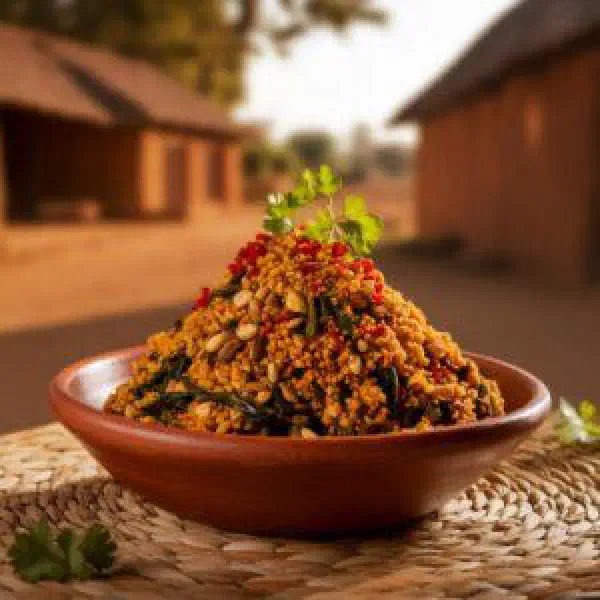
Meet Kamganje, a warm and nourishing dish from the rural heart of Malawi. Built around humble maize meal, tender beans and a handful of homely spices, it is the kind of everyday comfort food that also earns its place at festive gatherings. Simple to make and endlessly satisfying, kamganje offers a genuine taste of Malawian home cooking that you can recreate in your own kitchen with just a few pantry staples.
About Kamganje
Kamganje is a traditional Malawian dish with its roots in the country’s rural culture. It brings together a delicious mixture of maize meal, beans and a variety of local spices. This combination makes it a nourishing meal and a reflection of the culture and traditions of Malawi. Kamganje is often served on festive occasions and remains a popular choice for everyday eating, making it a lovely introduction to the wider world of Malawian cuisine.
Ingredients (serves 1–2)
- 200 g maize meal
- 100 g cooked beans
- 1 small onion, diced
- 2 cloves garlic, chopped
- 1 tsp paprika
- Salt to taste
- Water, as needed
- Optional: chilli powder for extra heat
Shopping for the ingredients
To make kamganje well, it is important to gather the right ingredients. You will find maize meal and fresh beans in most supermarkets and health-food shops. Make sure the beans are well cooked so you can keep the preparation time short. The spices should be fresh and aromatic, as they give the dish its distinctive flavour.
Preparing the dish
Preparing kamganje is straightforward and calls for only a few steps. First, gather all your ingredients and finely chop the onion and garlic. Next, rinse the beans you plan to use thoroughly, especially if you are using tinned ones. Have some water ready too, as it will come into play later during cooking.
Step-by-step instructions
- Heat a little oil in a pan and add the onion and garlic. Fry until golden brown.
- Add the cooked beans and mix them well with the onion and garlic.
- Sprinkle over the paprika and salt, then stir everything together carefully.
- In a separate bowl, mix the maize meal with water until you have a smooth paste.
- Pour the maize paste into the pan and stir well until it is evenly distributed.
- Cover the pan and let the dish simmer over low heat for about 10 minutes, stirring occasionally.
- Check the consistency and add a little more water if needed, then let it simmer briefly once more.
- Serve the kamganje hot, ideally with a fresh vegetable salad or a chutney.
Gluten-free / lactose-free version
Kamganje is naturally a gluten-free and lactose-free dish, as its main ingredient, maize meal, contains no gluten. This makes it an excellent choice for anyone with intolerances or allergies. Just make sure that every ingredient you choose is gluten-free too. That is easily done by checking the packaging or opting for organic products.
Tips for vegans and vegetarians
Kamganje is simple to adapt for vegans, since all of its ingredients are plant-based to begin with. You can extend the dish however you like by adding more vegetables or plant-based proteins. One appealing variation is to stir in spinach or broccoli. Experiment with different spices to vary and fine-tune the flavour to your taste.
More tips and tricks
An easy way to lift kamganje is to garnish it with fresh herbs. Coriander or parsley bring fresh aromas and a welcome splash of colour. A scattering of toasted seeds can add a pleasant, crunchy texture too. Let Malawian cooking be your inspiration and adjust the dish to suit your own preferences.
Adapting the recipe to your taste
The beauty of kamganje lies in how flexible it is to prepare. Feel free to vary the ingredients according to what you have at home. Instead of beans, for example, you could use lentils, which are equally tasty. Remember to adjust the spices to your liking, if you prefer a milder flavour, simply cut back on the chilli powder or other hot seasonings.
Ingredient substitutions
If you cannot find certain ingredients, there is always an alternative. Maize meal, for instance, can be hard to come by in some regions. In such cases, millet flour is a good option for achieving a similar texture. Many farmers’ markets also offer locally grown alternatives worth trying. The same pantry swaps come in handy for a hearty Nandolo Stew too. Aim for good quality to get the best result.
Drink pairing ideas
Light, refreshing drinks go beautifully with kamganje. A simple ginger beer or homemade lemonade complements the flavours of the dish perfectly. For an alcoholic alternative, a light local beer is a good choice. These drinks support the aromas of kamganje without overwhelming the palate.
Serving and presentation ideas
Thoughtful presentation can enhance the whole kamganje experience. Serve a colourful vegetable salad alongside to bring freshness and colour to the plate. A pretty serving dish or a natural wooden bowl underlines the traditional character of the meal. For the finishing touch, garnish the dish with a drizzle of olive oil and freshly chopped herbs.
A bit of history
Kamganje is more than just a dish; it tells the story of Malawian culture and its traditions. In Malawi, preparing and sharing food is often bound up with community and family. Kamganje is a staple in most households and appears at feasts and special occasions alike. The way it is made has been preserved over generations, and it is a symbol of Malawi’s culinary identity, much like the ever-present Nsima at the centre of the table.
More recipe ideas
Summary: Kamganje
Kamganje is a wholesome, nourishing dish that captures the essence of Malawi. With its simple preparation and rich flavours, it suits both special occasions and everyday enjoyment. The versatility of its ingredients invites you to make it your own, while the traditional method keeps the dish’s cultural roots alive. Let kamganje inspire you and savour a genuine taste of African cooking.