National Dish Malawi: Lumanda (Recipe)
In this article
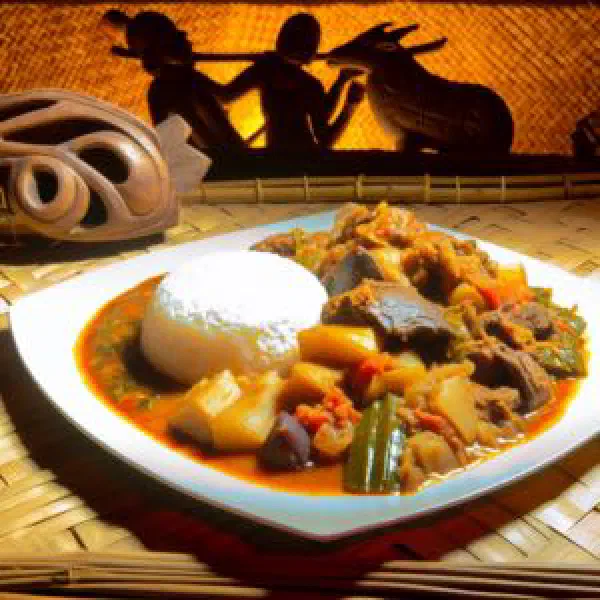
Meet Lumanda, a dish that captures the warmth and generosity of Malawian cooking in a single bowl. Built around fresh, local produce, it brings together crisp vegetables and tender fish or meat in a light, savoury broth. The result is balanced and deeply satisfying, hearty enough to fill you up, yet fresh enough to feel light. More than just a meal, preparing Lumanda is a way to celebrate the hospitality and culture that lie at the heart of everyday life in Malawi.
About Lumanda
The traditional dish Lumanda from Malawi captures the essence of African cooking and appeals to with its layered flavours. It leans on fresh, local ingredients that perfectly represent the country’s culinary variety. The pairing of crisp vegetables with tender fish or meat makes for a balanced eating experience that is both savoury and filling. Preparing Lumanda is a culinary pleasure and a chance to honour the hospitality and culture of Malawi, much like the beloved staples of Malawian cuisine served across the country.
Ingredients (serves 1–2)
- 250 g tender fish or meat
- 300 g mixed vegetables (e.g. carrots, broccoli, peppers)
- 1 onion, diced
- 2 cloves of garlic, crushed
- 2 tablespoons vegetable oil
- 1 teaspoon ginger, grated
- 150 ml vegetable or fish stock
- 2 tablespoons soy sauce
- Salt and pepper to taste
Shopping for the ingredients
To make sure your Lumanda turns out tasty and authentic, shopping for the right ingredients is key. Visit a local market or a well-stocked supermarket to find fresh, good-quality produce. Pay special attention to choosing local products such as fresh vegetables and fish, as these deliver the best flavour. Using regional ingredients supports sustainability and gives back to the community around you, a value echoed in dishes like Chambo Fish.
Preparing the dish
When making Lumanda, good preparation is the secret to a successful dish. Begin by carefully washing and cutting all the ingredients so you do not lose time once the cooking is under way. The vegetables should be chopped into even pieces so they cook uniformly and the flavours can develop properly. Cut the fish or meat into bite-sized pieces too, which helps everything cook quickly and evenly.
Step-by-step instructions
- Heat the vegetable oil in a large pot and sauté the diced onion until translucent.
- Add the crushed garlic and grated ginger and fry for about 1 minute, until fragrant.
- Tip in the prepared vegetables and cook for around 5 minutes, until they begin to soften.
- Add the fish or meat and cook for a few minutes, until just done.
- Pour in the stock and soy sauce, stirring well to combine, then season with salt and pepper.
- Let the dish simmer over medium heat for a further 10 minutes, until the flavours have mingled.
- Serve the Lumanda hot and enjoy a taste of Malawi.
Gluten-free / lactose-free version
For anyone dealing with a gluten or lactose intolerance, Lumanda is an extremely adaptable option. You can swap the soy sauce for a gluten-free alternative to make sure the dish stays suitable for everyone. Instead of stock that might contain lactose, reach for a low-sodium vegetable or fish stock, which is naturally lactose-free. These small adjustments mean you can enjoy the delicious flavours of Malawi without any worries about tolerance.
Tips for vegans and vegetarians
Lumanda also lends itself beautifully to a vegan or vegetarian version. By replacing the fish or meat with tofu, tempeh or pulses such as chickpeas, the dish takes on a protein-rich, plant-based character. All animal-based stocks should be swapped for vegetable stock to reinforce the plant-forward approach. Remember to add extra vegetables for more variety and flavour, such as cauliflower or sweet potato.
More tips and tricks
To make your Lumanda even tastier, experiment with spices popular across Malawi, such as cumin or coriander. A pinch of chilli can add a pleasant heat that is especially welcome in warmer climates. You can also keep the dish varied by using seasonal vegetables that suit wherever you happen to be. Finally, it helps to let the flavours rest a little to create a harmonious, well-rounded taste.
Adapting the recipe to your taste
A great feature of the Lumanda recipe is just how adaptable it is. You can tailor the choice of vegetables or the protein entirely to your own preferences. If you love leafy greens, for instance, add spinach or courgette to bring a little more freshness to the dish. The protein can be varied too. Try prawns or a different fish fillet for a whole new flavour, an idea that works just as well in a Fresh Fish Curry.
Ingredient substitutions
Sometimes it is not possible to track down every ingredient for Lumanda. In those cases you can swap in alternative vegetables that match the look and taste of the dish. Instead of carrots, for example, you might use peppers or green beans. For the stock, flavourful vegetarian options work just as well and keep the dish every bit as delicious. Always aim for fresh, wholesome ingredients to get the very best from your cooking.
Drink pairing ideas
A refreshing drink that complements its flavours is the perfect partner for a proper Lumanda. A classic Malawian choice is a refreshing lemonade, lightly sweet and zingy. For another alcohol-free option, an unsweetened herbal tea or a sharp ginger tea works well too. For those who enjoy an alcoholic pairing, a light white wine or a fruity cocktail could round things off nicely.
Serving and presentation ideas
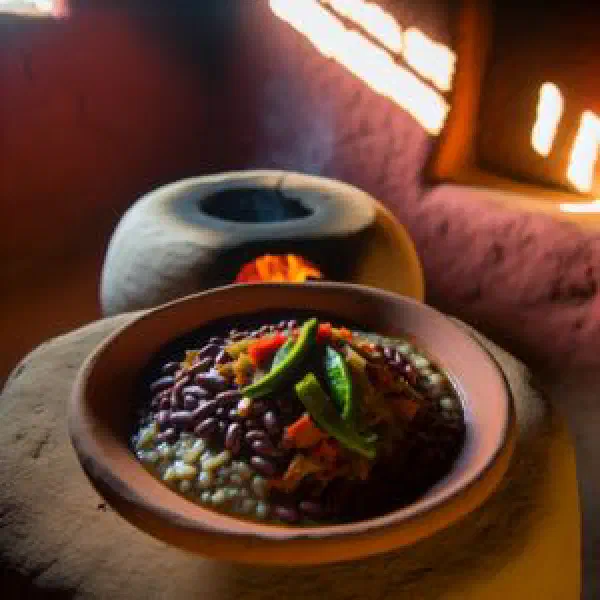
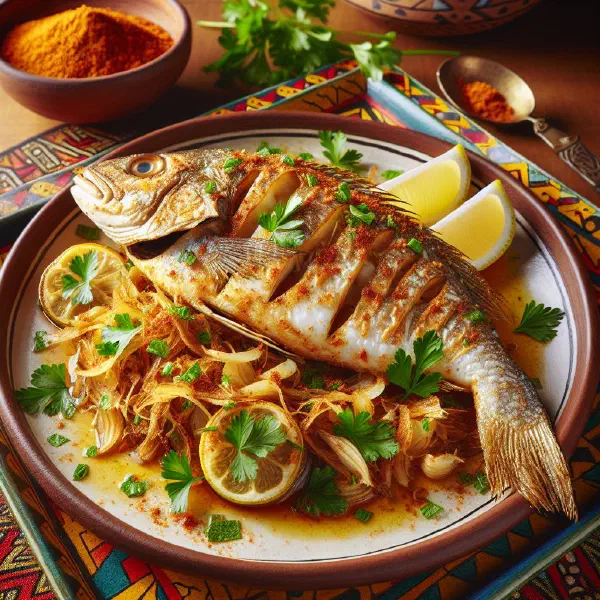
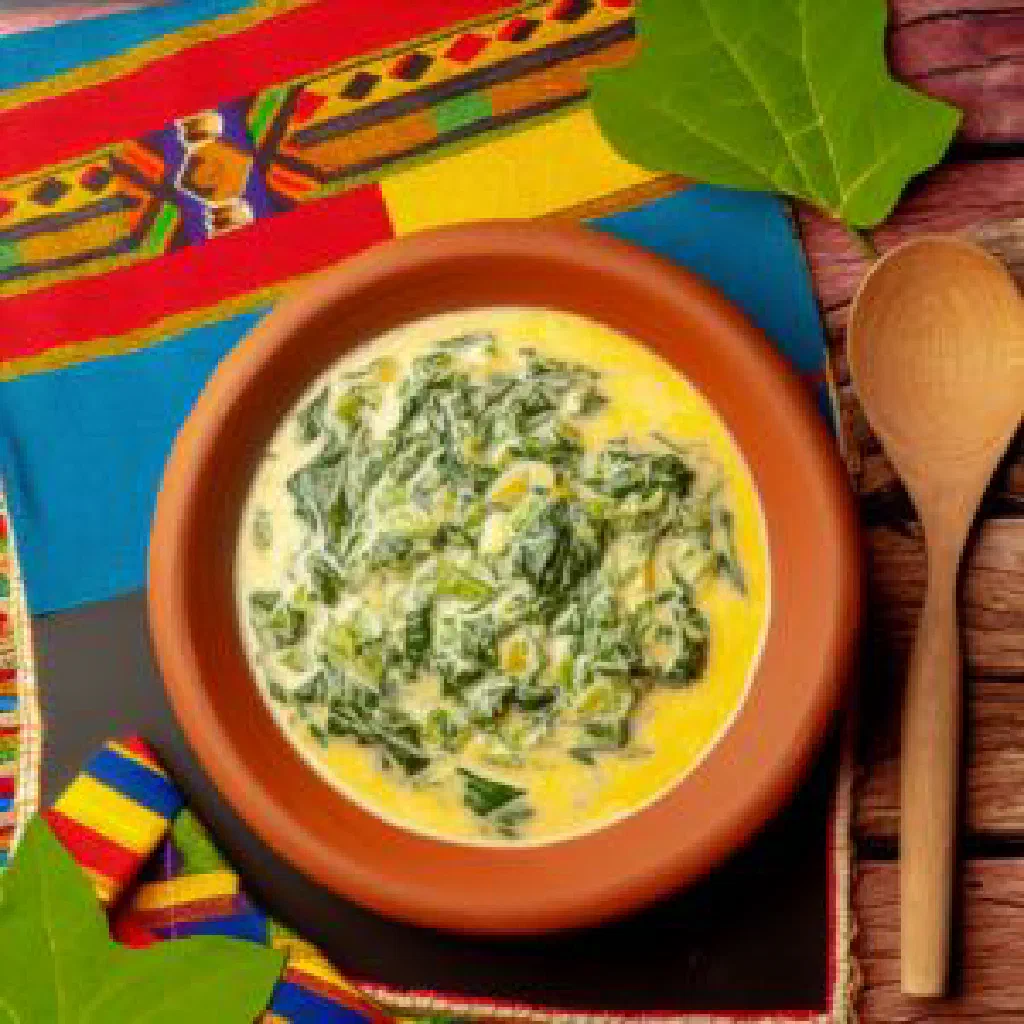
To present your Lumanda attractively, arrange the ingredients in a colourful display on the plate. Fresh herbs such as parsley or coriander used as a garnish add both colour and flavour. Serve the dish in a special clay dish or a traditional African vessel to underline its cultural context. We eat with our eyes, as they say, and an inviting presentation lifts both the appetite and the whole experience.
A bit of history
Lumanda has its roots in Malawi’s rich culinary tradition, shaped strongly by native ingredients and African food culture. Preparing this dish is not merely a practical matter but also a social activity that brings families and friends together. Historically, Lumanda reflects the simple yet creative nature of Malawian cooking, which manages to unite flavour, nourishment and community. With every preparation, a piece of Malawian history comes alive, one that has long shaped the way people eat, from hearty plates of Nsima to slow-cooked stews.
More recipe ideas
Summary: Lumanda
Lumanda is a wonderful example of the flavours and hospitality of Malawi. This dish combines fresh, local ingredients in a tasty sauce and suits meat lovers, vegans and vegetarians alike. The scope for adaptation is huge, letting you shape the dish around your own preferences. Give it a try, and let the delicious flavours of Malawi work their magic on you.