National Dish Malawi: Makande (Recipe)
In this article
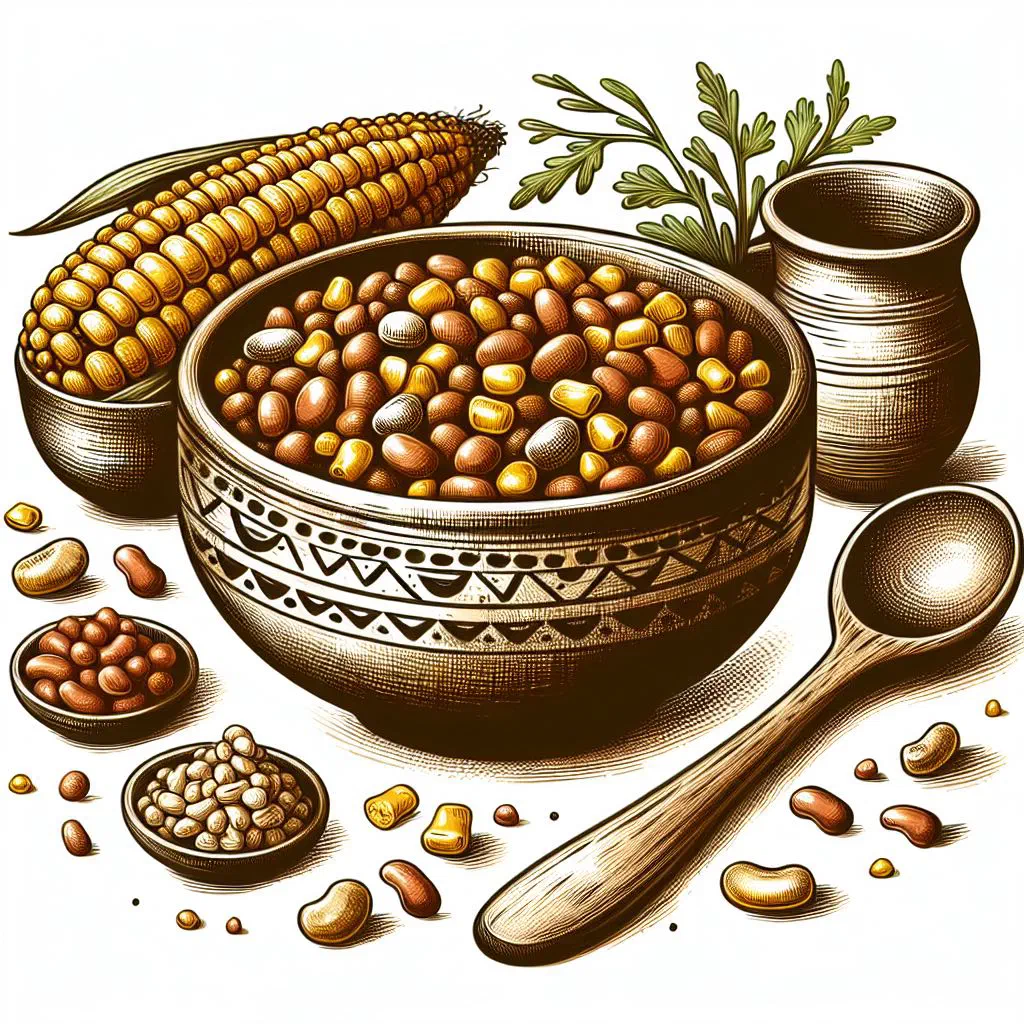
Discover Makande, a comforting stew that sits at the heart of Malawian home cooking. This wholesome dish brings together tender maize and creamy beans, simmered with onion, garlic and warming spices into a bowl that is as nourishing as it is satisfying. It is honest, unfussy food that captures the rich flavours of Africa. Perfect for sharing with friends and family around a generous pot.
About Makande
Makande is a traditional dish from Malawi that wins people over with its simple pairing of maize and beans. It is delicious and wonderfully nourishing, which is why it remains a firm favourite in so many households. The dish reflects the diverse culture and rich flavours of Africa, and its hearty, filling character makes it a reliable choice for everyday meals. If you are looking for a satisfying, warming recipe, makande is sure to win you over.
Ingredients (serves 1–2)
- 1 cup maize
- 1 cup kidney beans (cooked)
- 1 onion, diced
- 2 cloves garlic, chopped
- 1 tsp cumin
- 1 tsp paprika
- Salt and pepper, to taste
- 2 cups vegetable stock
- Fresh coriander, to garnish
Shopping for the ingredients
To make makande, it is worth buying your ingredients at a local supermarket or a farmers’ market, keeping an eye out for fresh, good-quality produce. The combination of fresh beans and maize delivers the best flavour, so choose them carefully. Spices such as cumin and paprika should also be of good quality to bring out the aromas at their best. Much like a comforting bowl of Nandolo Stew, makande relies on a handful of humble ingredients treated well.
Preparing the dish
Before you start cooking makande, it is important to prepare all the ingredients. Maize can be used fresh, frozen or tinned, whichever is easiest to hand. If you are working with dried beans, be sure to soak them beforehand and cook them through completely. Dicing the onions and chopping the garlic in advance is also a good idea. Thorough preparation keeps the cooking process running smoothly.
Step-by-step instructions
- Heat a large pot over medium heat and add a little oil.
- Add the diced onion and chopped garlic and fry for about 3–4 minutes, until softened.
- Stir in the cumin and paprika and cook the spices for a further 1–2 minutes.
- Add the maize and the cooked beans and mix everything together well.
- Pour in the vegetable stock and bring the mixture to the boil.
- Reduce the heat and let the dish simmer for about 20 minutes.
- Season with salt and pepper, then garnish with fresh coriander before serving.
Gluten-free / lactose-free version
Makande is naturally gluten-free and lactose-free, which makes it a great option for anyone with those food intolerances. The ingredients contain no gluten, so there is nothing to worry about on that front. Maize and beans are also naturally lactose-free, meaning the dish is suitable for everyone. Just take care that any stock you use is likewise free from gluten.
Tips for vegans and vegetarians
Makande is already naturally vegan and vegetarian, so it fits both diets perfectly. You can also adapt the dish by adding extra vegetables such as carrots or peppers to boost its nutritional variety. Using a good vegetable stock deepens the flavour even further. A little lemon juice just before serving lends the dish a bright, zesty note.
More tips and tricks
Makande can be adjusted to suit your own taste. Feel free to experiment with different beans, such as black beans or white beans, for a slightly different character. If you prefer a spicier version, simply add a few fresh chillies. Bear in mind that cooking times can vary depending on the ingredients you use, so keep an eye on the pot to reach the consistency you are after.
Adapting the recipe to your taste
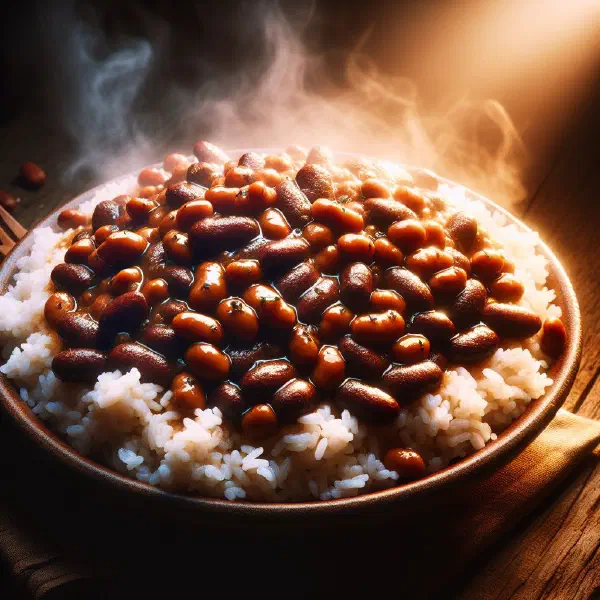
Another great feature of makande is how adaptable it is. You can vary the basic recipe however you like, trying ingredients such as quinoa or lentils in place of the maize or beans, for example. This lets you discover new flavour combinations and helps you meet your nutritional needs. Give it a go and shape your makande to your own preferences, much as cooks do with a bowl of Mpunga With Beans.
Ingredient substitutions
If you do not have certain ingredients to hand, they are easy to swap for alternatives. The vegetable stock, for instance, can be replaced with a homemade broth made simply from vegetables and spices. Instead of maize you could also use millet, which offers a similar texture and is very nourishing. It all comes down to personal taste and what happens to be available.
Drink pairing ideas
Refreshing drinks that complement the flavours work best alongside a delicious dish like makande. A homemade lemonade or a fruity iced tea makes a wonderful accompaniment. You might also consider local drinks such as Malawian beer to round off the culinary experience. Just keep the drinks on the lighter side so they do not overpower the aromas of your main dish.
Serving and presentation ideas
Presenting your makande well can greatly enhance the pleasure of the meal. Serve the dish in a large bowl to create a sociable, convivial atmosphere. Decorate the top with fresh coriander and a few lime wedges to add colour and freshness. A few pieces of crusty bread on the side can make the dish look even more appealing, and a portion of Nsima, Malawi’s beloved maize staple, turns it into a truly filling spread.
A bit of history
Makande has a long tradition in Malawian cooking and is often regarded as a staple dish. The combination of maize and beans is nourishing and a fine example of the country’s agricultural diversity. In Malawi the dish has always been a symbol of the local food culture and is frequently served at celebrations and family gatherings. Its preparation has evolved over generations, with each family adding its own special touch, a hallmark of Malawian cuisine.
More recipe ideas
Summary: Makande
Makande is a delicious and nourishing stew that embodies the essence of Malawian cooking. The combination of maize and beans creates a dish that is both filling and versatile. Its simple preparation, along with the freedom to adapt it to personal preference, makes makande an ideal choice for convivial evenings. Dive into the flavours of Africa and enjoy this traditional dish in the best of company.