National Dish Malawi: Mpunga (Recipe)
In this article
Say hello to Mpunga, the simple yet soul-warming rice dish that sits at the heart of Malawian home cooking. Made from just a handful of everyday ingredients, it delivers a hearty, savoury bite that carries the flavours of Malawi straight to your table. This humble bowl of rice is proof that the best food often comes from the simplest recipes.
About Mpunga
Mpunga is a traditional dish from Malawi that graces countless family kitchens across the country. It is a simple but nourishing meal built mainly around rice, most often served with a variety of accompaniments and prized for its comforting, savoury flavour. The dish reflects the culture and everyday warmth of Malawi, making it a genuine must-try for anyone keen to explore the country’s cooking and the wider world of Malawian cuisine.
Ingredients (serves 1–2)
- 1 cup rice
- 2 cups water
- 1 teaspoon salt
- 2 tablespoons butter or vegetable oil
- Spices of your choice (such as pepper or paprika)
Shopping for the ingredients
To track down the best ingredients for your Mpunga, it is worth visiting a local market or an Asian grocery where fresh rice and spices are easy to find. Freshly milled rice and recently ground spices tend to have a far more intense aroma, so try to avoid packets that have been sitting on the shelf too long. Choosing regional produce wherever possible also lets you experience the authentic flavour of the dish at its best.
Preparing the dish
Before you start cooking, it is important to rinse the rice thoroughly to wash away excess starch. This is what keeps the finished dish from turning sticky. Have all your other ingredients measured out and within reach so the cooking process runs smoothly.
Step-by-step instructions
- Rinse the rice in a sieve under cold running water.
- In a pan, bring the water to the boil with the salt and butter.
- Add the rice and reduce the heat to a gentle simmer.
- Cover the pan and let the rice cook for around 15–20 minutes, until the water has been absorbed.
- Fluff the cooked rice with a fork and season to taste.
Gluten-free / lactose-free version
Mpunga is naturally a gluten-free dish, made as it is from rice and other simple, natural ingredients. To make it lactose-free, the butter can easily be swapped for vegetable oil. Always check the labels of any additional ingredients to be sure they contain no hidden gluten or lactose. Tasty alternatives such as coconut milk or margarine can lend the dish an extra layer of flavour, much as they do in a rich Groundnut Stew.
Tips for vegans and vegetarians
Mpunga adapts effortlessly to a vegan or vegetarian diet. Simply use plant-based butter or olive oil, and make sure any accompaniments you serve are vegan too. Vegetables, pulses and salads are excellent additions that boost both the flavour and the nutritional value of the meal. A generous handful of spices and fresh herbs lets you shape the dish entirely to your own taste.
More tips and tricks
A key tip when cooking Mpunga is to resist stirring the rice too often, as this can break up the grains. Keep the pan well covered while it cooks so the heat and moisture stay trapped inside. If you want to save time, a rice cooker will give you perfectly cooked grains every time. Experiment with different spices to create a flavour profile that is all your own.
Adapting the recipe to your taste
Mpunga is a wonderfully flexible dish that is easy to tailor to personal preference. Stir in extra vegetables or a source of protein, such as tofu or chicken, to make it more substantial. You can vary the type of rice too, reach for Arborio rice for a creamier texture, or wild rice for a nuttier, earthier note. Let your creativity lead the way.
Ingredient substitutions
If certain ingredients are not to hand, there are plenty of alternatives. In place of butter you can use coconut oil or olive oil, while a splash of soy sauce can stand in for salt to add a savoury depth. Swapping the water for vegetable stock is another easy way to give the rice more flavour, a trick that also works well when cooking Mpunga With Beans. Substitutions like these let you adjust the recipe without losing the character of the dish.
Drink pairing ideas
When it comes to drinks that pair well with Mpunga, an African-style beer or a well-chilled white wine complements the flavours of the dish beautifully. A homemade fruit punch or unsweetened iced tea makes for a refreshing non-alcoholic choice. For a truly authentic experience, seek out a traditional Malawian drink such as Thobwa to round off the meal. Whatever you choose, serve it well chilled, especially on warmer days.
Serving and presentation ideas
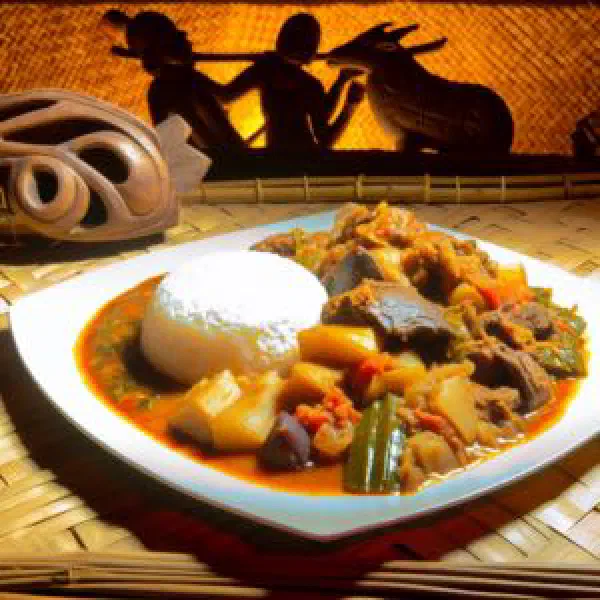
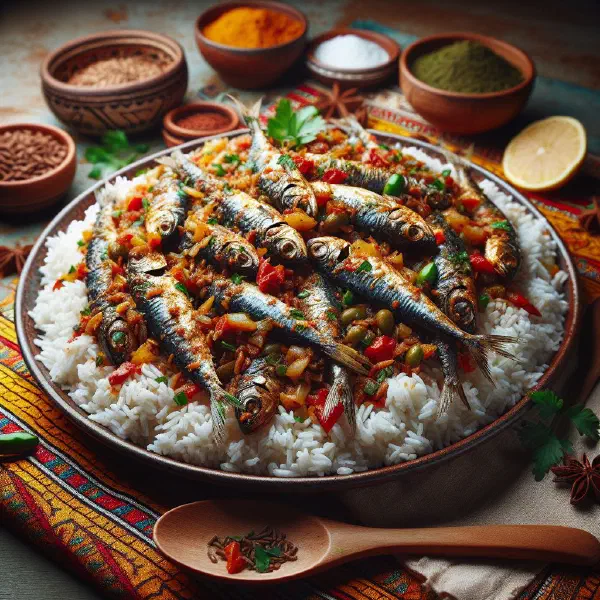
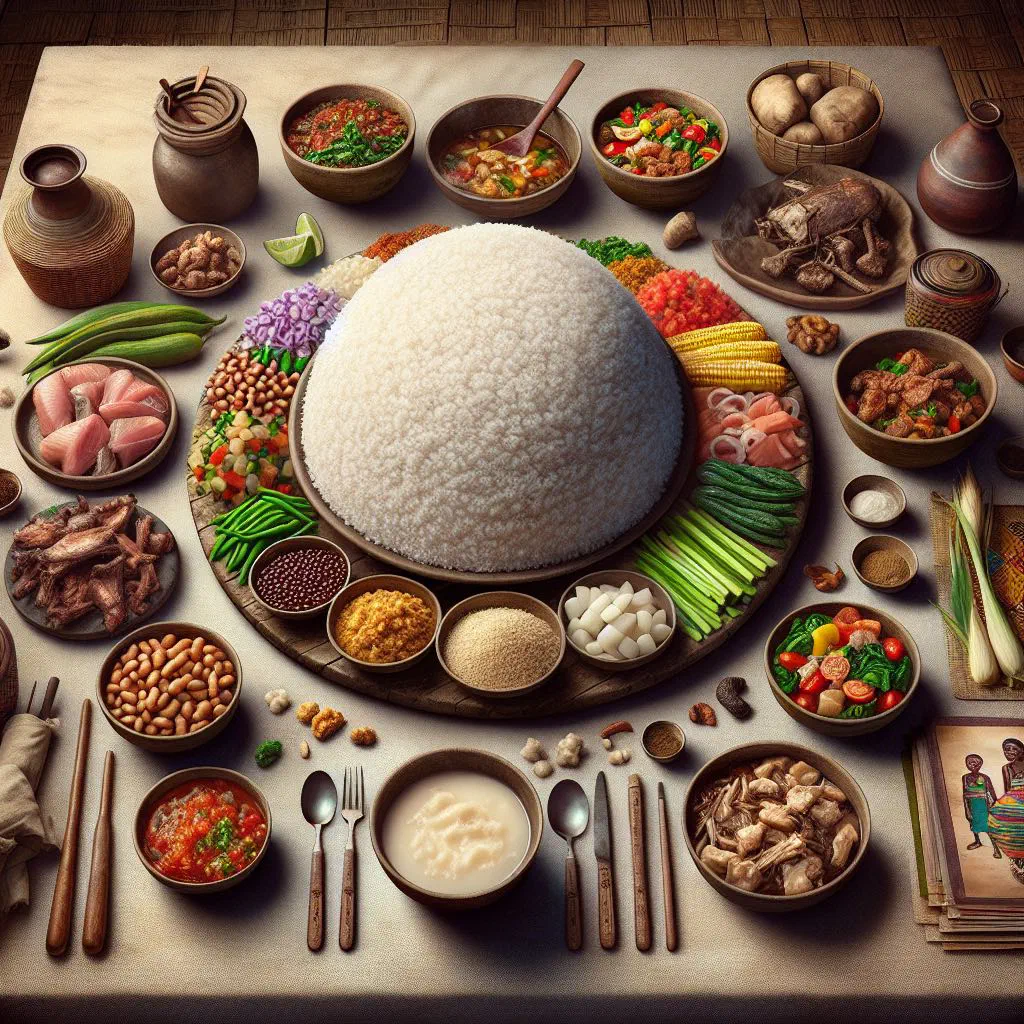
To present Mpunga at its most appealing, serve it in a shallow bowl and garnish with fresh herbs. Scatter fresh vegetables or sprouts around the dish to add colour and texture. Decorative plates or bowls that reflect an African style help create an authentic dining experience. A thoughtful presentation builds anticipation for the meal and makes sharing it with others feel that bit more special.
A bit of history
Mpunga has its roots in Malawian culture, which is deeply shaped by the land and an agrarian way of life. Rice is a staple grain valued across many African countries, and the preparation of Mpunga has been passed down and refined over generations. The dish is a symbol of the warm and hospitable traditions of the Malawian people. Sharing it with family and friends speaks to a strong sense of home and community, much as staple dishes like Nsima do across the region.
More recipe ideas
Summary: Mpunga
Mpunga is a versatile and tasty dish that beautifully captures the flavours and culture of Malawi. With its simple ingredients and straightforward preparation, it is an ideal recipe for beginners and seasoned cooks alike. Let it inspire you and give it a try to bring a little piece of Africa into your kitchen. Savour the variety and the warmth of Malawian cooking with every bite.