National Dish Malawi: Wali (Recipe)
In this article
Discover Wali, a simple yet deeply satisfying rice dish that sits at the heart of the Malawian table. Made from tender, fluffy grains, it is the perfect partner for all manner of rich sauces and colourful vegetables. Straightforward to prepare and full of warm African hospitality, wali has a knack for bringing people together, which is why it turns up so often at family feasts and celebrations across the country.
About Wali
Wali is far more than a plain rice dish; it is a cornerstone of traditional Malawian cuisine. Made from finely cooked rice, it is prized for the way it complements an endless variety of sauces and vegetables. The preparation is refreshingly uncomplicated, yet it carries all the warmth and generosity that runs through African cooking. Wali has a gift for gathering people around the table and is a familiar sight at festive occasions and community get-togethers.
Ingredients (serves 1–2)
- 1 cup rice
- 2 cups water
- 1 pinch of salt
- 1 tablespoon oil (optional)
- Vegetables of your choice (e.g. broccoli, carrots)
- Sauce of your choice (e.g. peanut sauce or tomato sauce)
Shopping for the ingredients
When shopping for wali, it is worth paying attention to the quality of the rice. Wholegrain or jasmine rice are both excellent choices, rich in nutrients and full of flavour. Look for fresh, seasonal vegetables to guarantee the best taste. If you decide on a sauce, seek out local products or make your own from scratch for a truly authentic flavour experience.
Preparing the dish
Before you start cooking wali, rinse the rice thoroughly to wash away excess starch. This helps stop the grains turning sticky as they cook. For the vegetables, you can choose whether to steam them or fry them off in a pan to coax out extra flavour. Remember to get your sauce ready too, so that everything is finished at the same time and can be served piping hot.
Step-by-step instructions
- Rinse the rice thoroughly in a sieve until the water runs clear.
- Bring the rice to the boil in a pan with 2 cups of water and a pinch of salt.
- Once the water is boiling, reduce the heat, cover and let it simmer gently for around 15–20 minutes.
- While the rice cooks, prepare your chosen vegetables and warm the sauce.
- Take the cooked rice off the heat and let it rest for 5 minutes, then fluff it up with a fork.
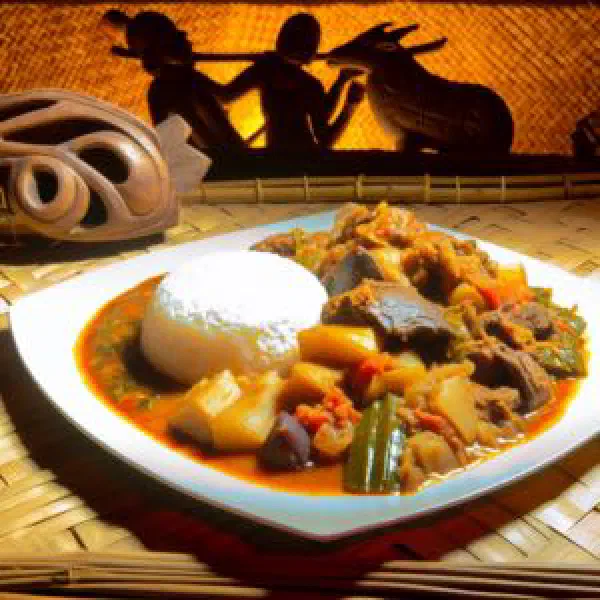
- Arrange the wali on plates and serve with the vegetables and sauce.
Gluten-free / lactose-free version
Wali is naturally gluten-free and lactose-free, since its main components are rice and fresh vegetables. Just take care that your chosen sauces contain no gluten, soy sauce, for instance. Many sauces can also be adapted to make them lactose-free simply by using plant-based alternatives. This makes wali an ideal choice for anyone with particular dietary needs.
Tips for vegans and vegetarians
Wali is a brilliant option for vegans and vegetarians, as the dish adapts so readily. Avoid animal products in your sauces and reach for plant-based options instead. Vegetables such as broccoli, peppers and courgette make wonderful additions, bringing colour, texture and flavour to the plate. Experiment with different spices to make the dish your own, much as you would with a warming Nandolo Stew.
More tips and tricks
For the best results when cooking wali, it helps to soak the rice beforehand. This shortens the cooking time and leaves the grains especially light and fluffy. Be sure to use the right amount of water to avoid the pan boiling over. An occasional gentle stir during cooking can also help perfect the consistency and keep the grains cooking evenly.
Adapting the recipe to your taste
For a more personal touch, use a variety of herbs and spices to season your wali. Ginger, garlic or aromatic herbs such as coriander all make excellent additions. The choice of sauce can vary too, depending on whether you prefer something sweet, savoury or spicy. Let your own tastes take the lead so that the dish becomes a treat to suit you perfectly.
Ingredient substitutions
If rice is not available, you can also use quinoa or millet as healthy alternatives. These grains are rich in protein and offer a similar texture. For the vegetable side, consider seasonal options such as cauliflower or green asparagus. You can get creative with the sauce too, a homemade pesto or hummus both work beautifully, in the same spirit as the beans that pair so well in Mpunga With Beans.
Drink pairing ideas
Wali pairs perfectly with African drinks such as Chibuku, a traditional maize beer, or Malawian coffee, celebrated for its rich flavour. For an alcohol-free option, fresh juices, pineapple or mango, for example, are wonderfully refreshing and sit well against the flavours of the dish. Herbal teas such as mint or camomile can also make a pleasant accompaniment to round off the whole meal.
Serving and presentation ideas
When it comes to presenting wali, there is plenty of room to be creative and show the dish off in its best light. Serve the rice in a bowl and garnish with fresh herbs or a squeeze of lemon for a colourful finish. An attractive arrangement of the vegetables and sauce on the plate will lift the overall look, while combining different colours and textures makes the dish even more inviting.
A bit of history
Wali has a long history in Malawi and reflects the country’s culinary traditions. As a simple yet nourishing dish, rice plays a central role in the diet of many people. It is a symbol of community and hospitality, valued not only as food but as part of the cultural heritage. Traditionally it is prepared in large quantities to feed families and communities during celebrations, a role it shares with the beloved Nsima, the staple of Malawi cuisine.
More recipe ideas
Summary: Wali
Wali is a simple but wonderfully tasty Malawian rice dish that works perfectly as a side. It offers endless scope for adaptation, so it is easy to turn into vegan or gluten-free variations. With fresh, seasonal ingredients and a choice of sauces, you can bring the flavours of Africa into your own kitchen. Enjoy the blend of tradition, taste and togetherness that wali embodies, and let it inspire your next meal.