National Dish Malaysia: Bubu Asam (Recipe)
In this article
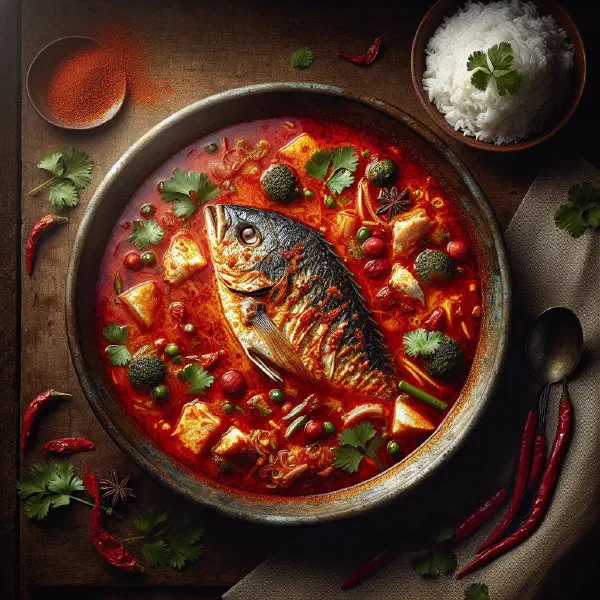
Meet Bubu Asam, a wonderfully tangy Malaysian fish dish that captures the fresh, sour-savoury flavours of Southeast Asia in a single pan. Whole fish is gently simmered in a fragrant sauce of tomatoes, lime and chilli, making a light yet deeply satisfying meal. This guide walks you through everything, from shopping and step-by-step cooking to gluten-free, lactose-free, vegetarian and vegan variations, along with a look at the culture and history behind this coastal classic.
About Bubu Asam
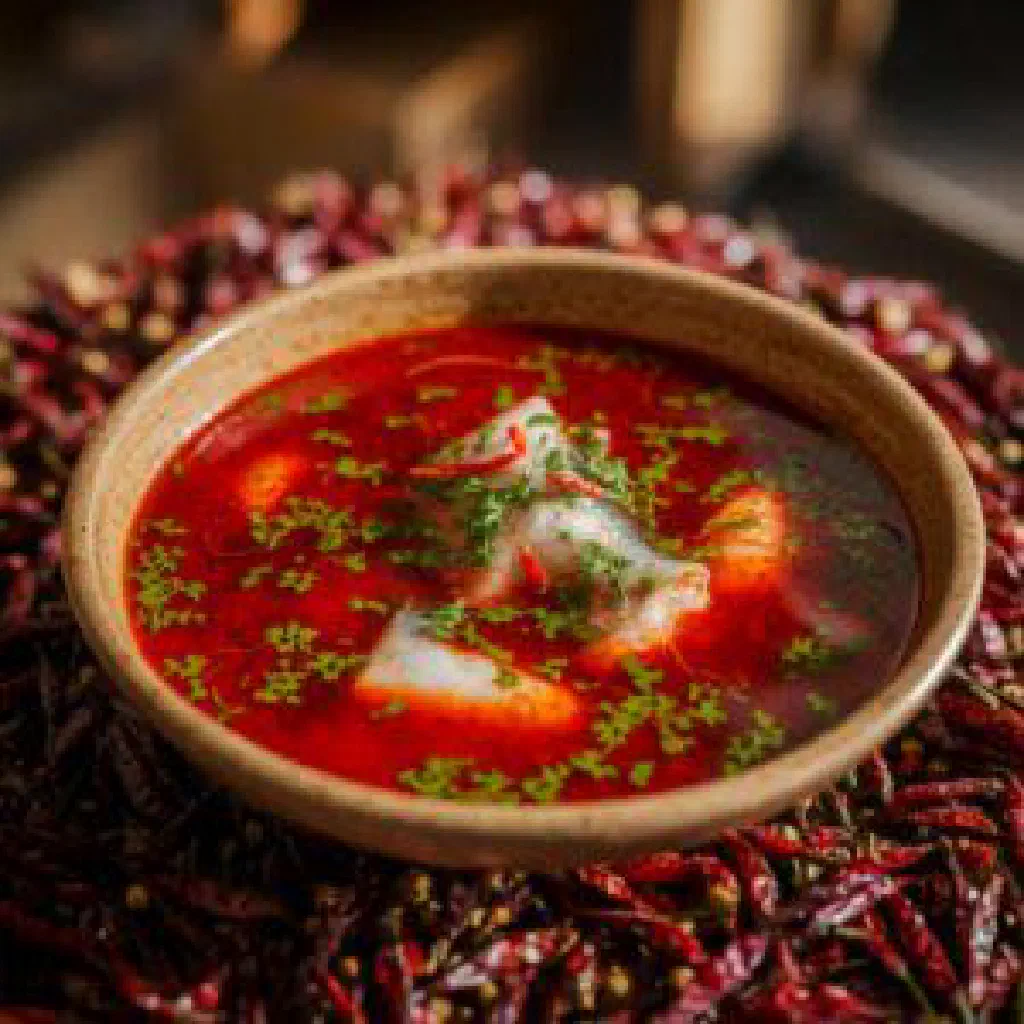
Bubu Asam is a fascinating dish that captures the very essence of Malaysian cooking. It is built around fresh fish, prepared with a delicious blend of spices and fresh ingredients. The combination of juicy tomatoes and a hint of lime gives the dish its distinctive character. Bubu Asam is more than a treat for the palate. It carries the stories and traditions of Malaysia, tangible in every single bite.
Ingredients (serves 1–2)
- 2 fresh fish (e.g. mackerel or snapper)
- 2 medium tomatoes, diced
- 1 lime, juiced
- 1 onion, finely chopped
- 2 garlic cloves, crushed
- 1–2 green chillies, to taste
- 1 teaspoon salt
- 2 tablespoons fish sauce
- Fresh coriander leaves, to garnish
Shopping for the ingredients
Aim to find the freshest possible ingredients, above all the fish. Visit your local market or fishmonger to make sure the fish is fresh and meets the highest quality standards. Tomatoes, limes and spices should also be fresh and aromatic to bring out the best flavour. Take care to choose a good-quality fish sauce too, as it has a decisive influence on the aroma of the finished dish.
Preparing the dish
Preparing bubu asam involves a few steps that can genuinely enrich your time in the kitchen. Start by cleaning the fish and removing the innards if this has not already been done. Chop the onion, garlic and chillies to intensify the aromas in the dish. It helps to prepare all the ingredients in advance so you can work efficiently while cooking. This simple groundwork turns the cooking itself into a smooth, harmonious experience.
Step-by-step instructions
- Heat a little oil in a pan and add the onions and crushed garlic, cooking until translucent.
- Add the diced tomatoes and the chillies and fry them for a few minutes.
- Pour the lime juice and the fish sauce into the pan and let the mixture simmer.
- Place the cleaned fish in the pan and cover it, letting the fish cook through in the aromatic sauce.
- After around 10–15 minutes, carefully turn the fish and make sure it cooks evenly.
- Garnish the dish with fresh coriander leaves and serve it hot.
Gluten-free / lactose-free version
Bubu asam is naturally gluten-free and lactose-free, which means you can enjoy the dish without any worries even if you have certain food intolerances. Just make sure that the spices and fish sauce you use are certified gluten-free. It is an excellent choice for anyone who wants to adapt their diet without giving up delicious flavours. Enjoy bubu asam to the full, whatever your dietary requirements.
Tips for vegans and vegetarians
Although bubu asam is traditionally made with fish, there are plenty of ways to make the recipe vegan or vegetarian. One of the best alternatives is to use tofu or vegetables in place of the fish, much like the meat-free classic Tahu Tempe. Mushrooms, especially shiitake, are also excellent for adding texture and flavour. With the same spices and aromas, the plant-based version turns out just as delicious and fragrant, offering a unique culinary experience for everyone.
More tips and tricks
To get the most out of your bubu asam, play with the spices and factor in your personal preferences. Add coconut milk for a creamy consistency, or vary the heat of the chillies to suit your taste. Adjusting the cooking time ensures the fish is perfectly done, tender enough to practically melt. Do not hesitate to get creative and put your own stamp on this traditional recipe.
Adapting the recipe to your taste
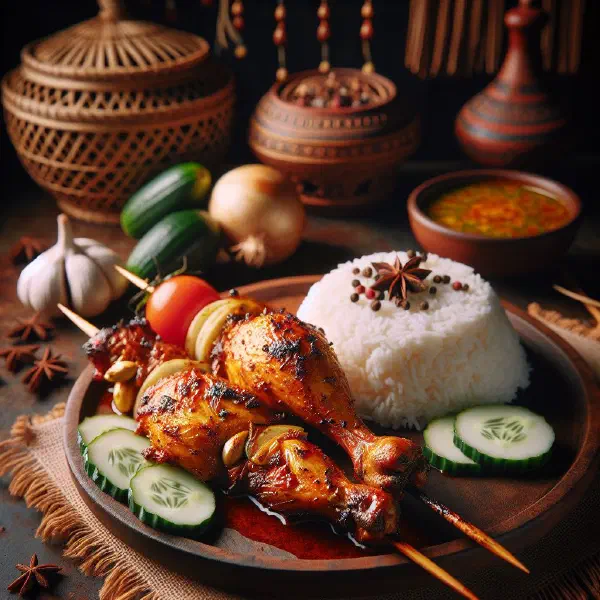
Bubu asam adapts beautifully to different palates. If you love sour-spicy flavours, add extra lime juice or an additional chilli; for a milder result, deseed the chillies or reduce their number. You can also bulk the dish out with vegetables such as okra or aubergine, which soak up the tangy sauce wonderfully. Served over steamed rice, it becomes a heartier meal, a natural companion to other favourites of Malaysian cuisine.
Ingredient substitutions
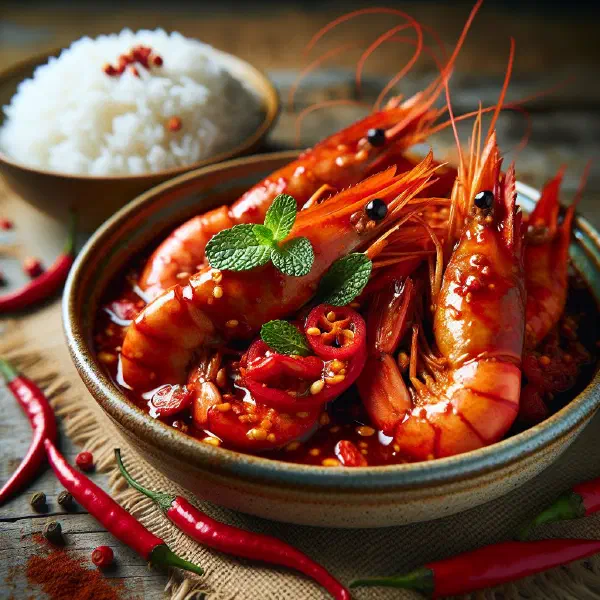
If you do not have every ingredient for bubu asam to hand, there are some practical alternatives. Instead of fresh fish you can use frozen fish or even other seafood, such as prawns or mussels, prawn lovers might also enjoy Sambal Udang. For the tomatoes, passata or tinned tomatoes will do if fresh ones are unavailable. Lime juice can likewise be replaced with another citrus juice, such as lemon juice, to bring a similar freshness to the dish.
Drink pairing ideas
To round off the bubu asam experience, choose drinks that complement the flavours of the dish. A freshly squeezed lime or lemon juice is an excellent choice for emphasising the taste. Alternatively, offer a light, fruity beer or a dry white wine such as Sauvignon Blanc. These pairings let the aromas come together harmoniously while you enjoy your delicious meal, or try Malaysia’s beloved pulled milk tea, Teh Tarik, for an authentic touch.
Serving and presentation ideas
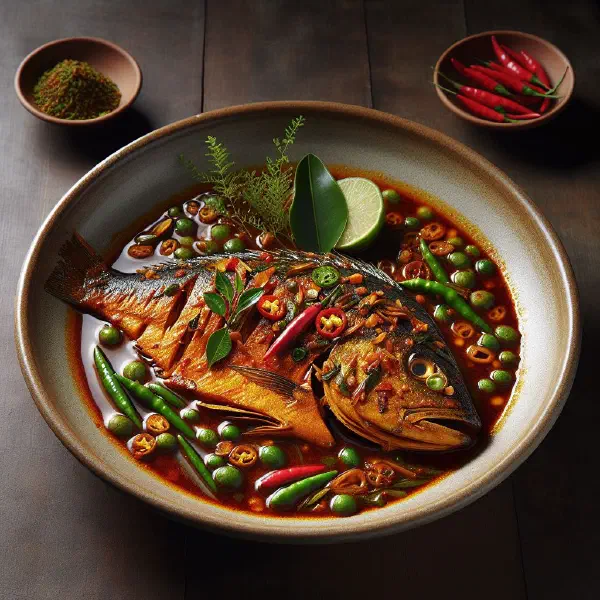
Presentation is an important part of any meal, and bubu asam offers plenty of scope for creativity. Serve the dish in a beautiful bowl and garnish it with fresh coriander leaves and lime wedges. A decorative arrangement of the ingredients on the plate strengthens the visual impression. Use colourful plates or bowls to highlight the contrast with the colours of the food and create an appealing overall picture.
A bit of history
The roots of bubu asam reach deep into Malaysian culture, where fishermen traditionally prepared their fresh catch straight from the sea. The dish reflects the diversity of Malaysian cooking, shaped by a rich mix of ethnic and cultural influences. The use of local ingredients and characteristic spices makes bubu asam an important part of Malaysia’s culinary identity. It is more than just a dish. It is a symbol of the bond between people and nature, one that Malaysian cooking has honoured for centuries.
More recipe ideas
- Asam Pedas — a spicy and sour fish curry
- Nasi Lemak — Malaysia’s national dish with coconut rice
- Rendang Daging — a slow-braised beef dish with rich spices
- Kerabu — a refreshing salad packed with flavour
- Roti Canai — flaky flatbread, perfect for dipping
Summary: Bubu Asam
Bubu asam is an unmistakable dish that embodies the flavours of Malaysia in an aromatic blend of fresh fish and distinctive spices. Through its fresh ingredients and its fusion of tradition and modernity, it offers a wonderful opportunity to discover one of Southeast Asia’s most delicious cuisines. Bubu asam is sure to enchant your taste buds and bring you a little closer to Malaysian culture. Let the flavours and history of the dish inspire you, and enjoy it to the full.