National Dish Malaysia: Bubur Kacang Hijau (Recipe)
In this article
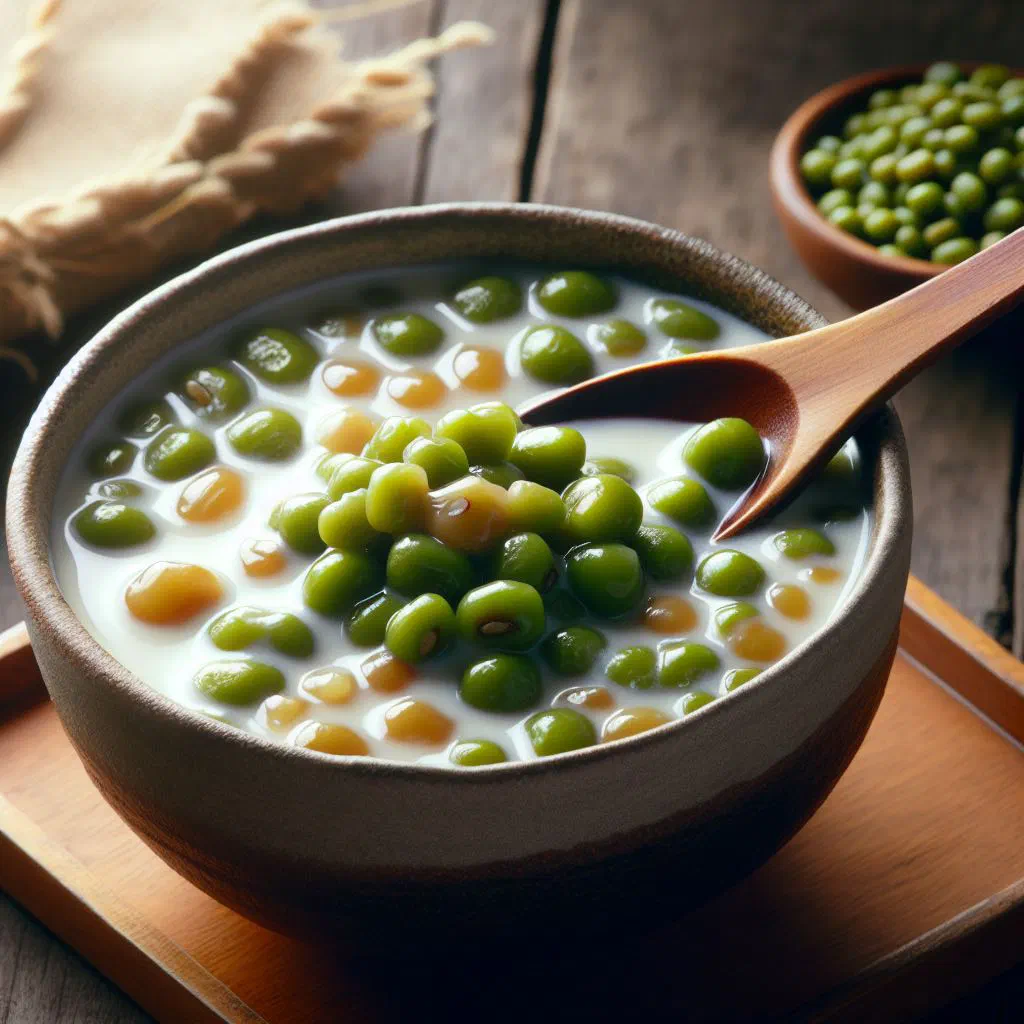
Discover Bubur Kacang Hijau, Malaysia’s beloved sweet mung bean porridge. Tender green beans are simmered until creamy, then enriched with silky coconut milk and the deep caramel notes of palm sugar. Served warm on a rainy afternoon or chilled on a hot day, this comforting dessert is a sweet treat that wins hearts at first spoonful.
About Bubur Kacang Hijau
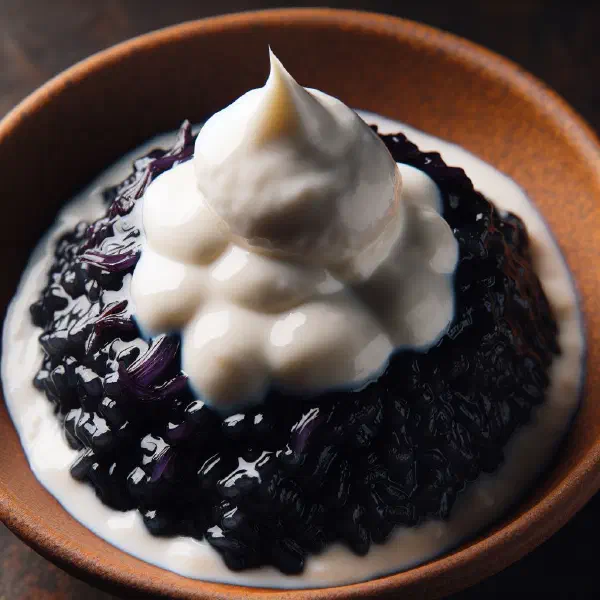
Bubur Kacang Hijau is a traditional Malaysian dessert made from mung beans, coconut milk and palm sugar. This creamy dish balances gentle sweetness with a subtly savoury undertone, creating a fascinating combination of flavours. You can enjoy it warm or chilled, which makes it a wonderfully versatile snack or pudding. It is a firm fixture of Malaysian food culture and a favourite with locals and visitors alike, much like the shaved-ice classic Ais Kacang, it proves how inventive Malaysian sweets can be.
Ingredients (serves 1–2)
- 100 g mung beans
- 400 ml coconut milk
- 100 g palm sugar (or brown sugar)
- 1 pinch of salt
- Water (for cooking the beans)
Shopping for the ingredients
The ingredients for Bubur Kacang Hijau are available in most Asian supermarkets. When buying the mung beans, check that they are fresh and undamaged. Choose a good-quality coconut milk to guarantee the full, creamy flavour. Palm sugar is sold as solid cones or in packaged blocks and gives the dessert its characteristic sweetness.
Preparing the dish
Before you start cooking, it is important to wash the mung beans thoroughly and soak them overnight. This shortens the cooking time considerably and helps the beans cook more evenly. The next day, simmer the beans in fresh water until they are soft. Keep an eye on the texture as they cook, the beans should turn creamy without collapsing into mush.
Step-by-step instructions
- Drain the soaked beans and bring them to the boil in a pan of fresh water.
- Reduce the heat and let the beans simmer until soft (about 30 minutes).
- Add the coconut milk and stir well.
- Add the palm sugar and a pinch of salt, then bring everything back to a gentle boil until the sugar has fully dissolved.
- Ladle into bowls and serve warm or chilled, as you prefer.
Gluten-free / lactose-free version
Bubur Kacang Hijau is naturally gluten-free and lactose-free, as long as you stick to natural ingredients. That means no extra effort is needed to make the dish suitable for anyone with intolerances. Do check the label on your coconut milk to make sure it contains no unwanted additives.
Tips for vegans and vegetarians
Bubur Kacang Hijau is a perfect choice for vegan eating, as it contains no animal products at all. To make the dessert lighter, you can replace some of the coconut milk with other plant-based alternatives such as almond or oat milk. Choose unsweetened varieties so the natural flavour of the beans and the palm sugar is not overwhelmed. These variations fit comfortably into a plant-based diet.
More tips and tricks
The texture of Bubur Kacang Hijau depends both on the beans you choose and on the cooking time. If you prefer a thicker consistency, cook the beans a little longer or blend a portion of them for extra creaminess. A splash of vanilla extract or a pinch of cinnamon lends the dessert additional aromatic depth. Experiment with the ingredients until you find your own favourite version.
Adapting the recipe to your taste
Try adding fruit such as mango or banana to give the dessert a fresher, more interesting twist. Some people like to flavour their Bubur Kacang Hijau with a dash of pandan essence for a green tint and an extra layer of fragrance, the same leaf that perfumes a classic Pandan Cake.
Ingredient substitutions
There are several alternatives to the standard ingredients in this recipe. Instead of palm sugar you can use agave syrup or honey to adjust the sweetness. If coconut milk is unavailable, almond milk makes a workable substitute, though you may need to tweak the sweetener. The beans can be varied too, but it is well worth staying with traditional mung beans to preserve the authentic flavour.
Drink pairing ideas
A range of drinks rounds off Bubur Kacang Hijau beautifully. Teas such as green tea or jasmine tea harmonise wonderfully with the creamy dessert. Coffee or fresh fruit juices offer a refreshing counterpoint to the sweetness of the dish. Try a cold lemon water or a sparkling lemonade for an interesting combination, or go all in and pair it with Malaysia’s frothy pulled tea, Teh Tarik.
Serving and presentation ideas
Presentation plays a big part in making this dessert look as good as it tastes. Use small bowls or glasses so the different layers of Bubur Kacang Hijau stay visible. A few fresh mint leaves or edible flowers as a garnish add lovely splashes of colour. That way the dish appeals to the eye as much as the palate.
A bit of history
Bubur Kacang Hijau is rooted in Malaysian culinary tradition and is often served as part of festive celebrations. Historically it has been prepared as comfort food for special occasions and holidays. The pairing of mung beans and coconut milk tells a story of resourcefulness, born from ingredients readily available across the Malay Peninsula. Over the years the recipe has evolved and is now made in countless regional variations, a sweet cornerstone of Malaysian cuisine.
More recipe ideas
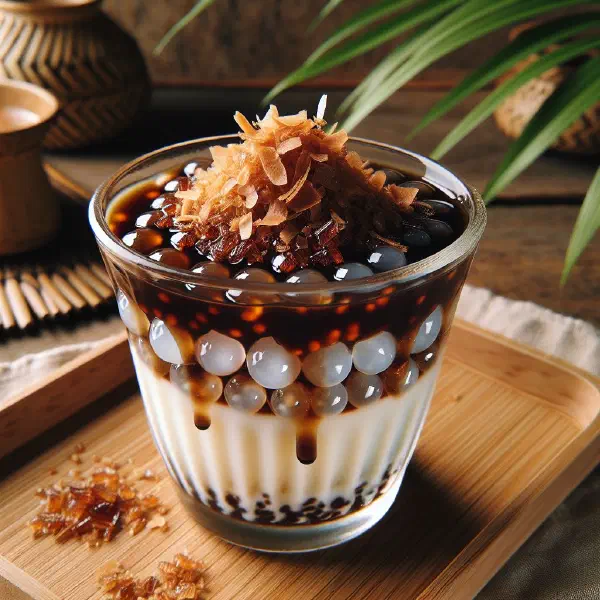
- Cendol — a popular iced sweet with green rice-flour jelly
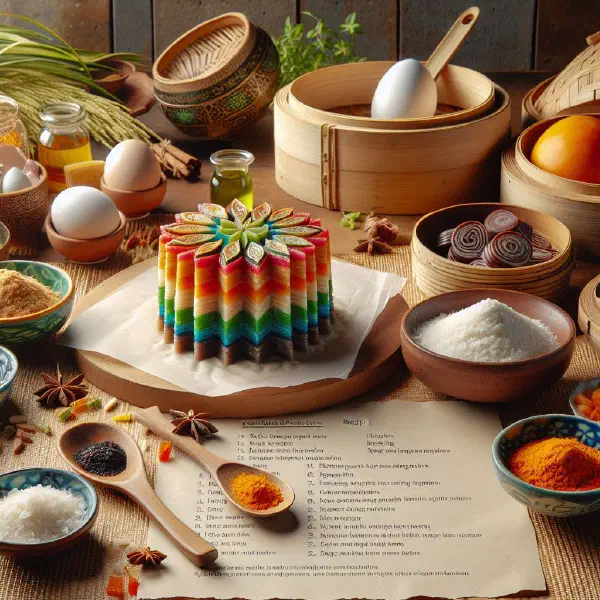
- Kuih Lapis — colourful steamed layer cake
- Nasi Lemak — the famous Malaysian national dish with coconut rice
- Roti Canai — a delicious flaky flatbread often served as a snack
Summary: Bubur Kacang Hijau
Bubur Kacang Hijau is a delicious and versatile dessert that stands out for its simple preparation and unique flavour. With its combination of mung beans, coconut milk and palm sugar, it is a wonderful piece of Malaysian food culture. Try it yourself and discover the many pleasures of this flavourful experience.