National Dish Malaysia: Dodol (Recipe)
In this article
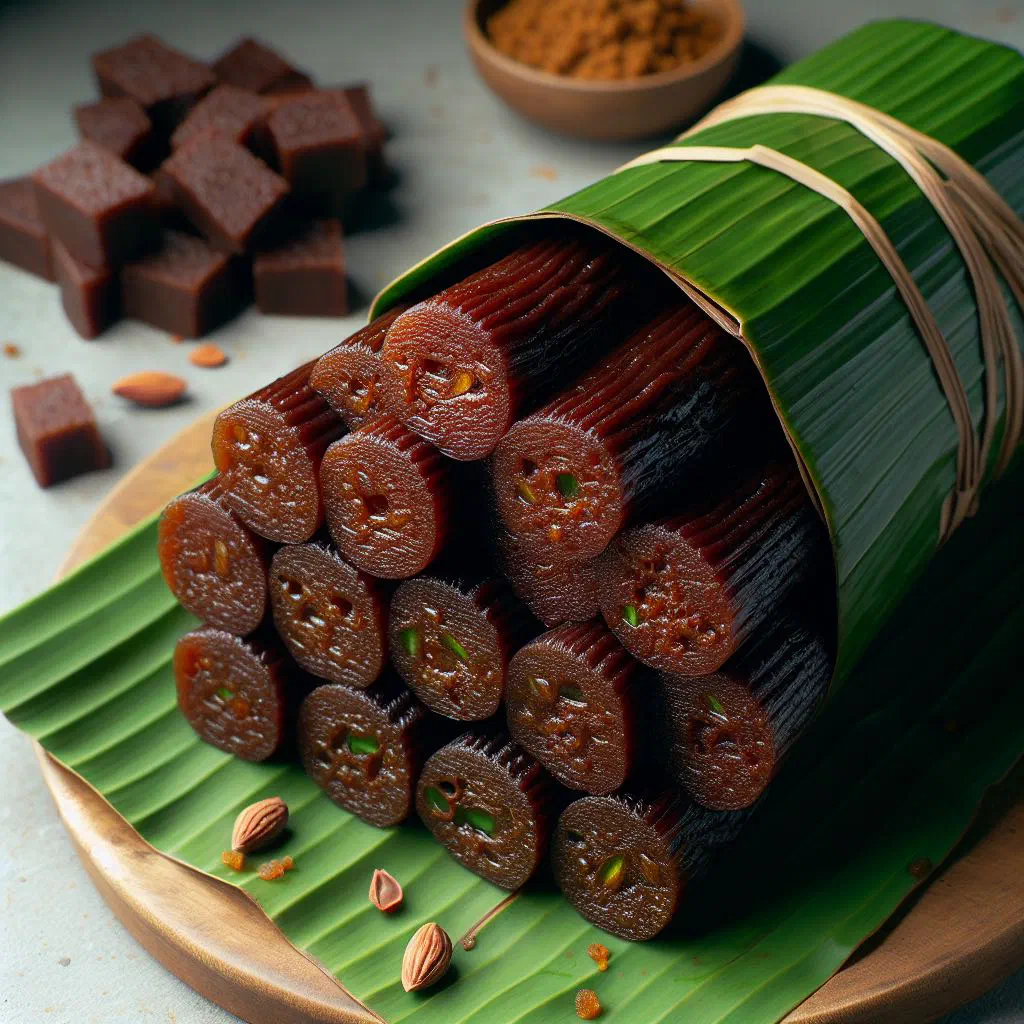
Discover Dodol, Malaysia’s beloved sweet treat. This chewy, toffee-like confection of glutinous rice, creamy coconut milk and rich palm sugar delivers deep caramel flavours in every bite. A fixture at festive celebrations across the country, it makes a wonderful dessert or snack, and a delicious way to bring a taste of Malaysian culture into your own kitchen.
About Dodol
Dodol is a traditional Malaysian dessert made from glutinous rice and coconut. Its chewy, caramel-like consistency and the sweet flavour of palm sugar make it a truly distinctive taste experience. Dodol is often prepared and served during festive occasions, which makes it an important part of Malaysian culture. This delicious dessert is an expression of Malaysia’s culinary heritage.
Ingredients (serves 1–2)
- 200 g glutinous rice
- 150 ml coconut milk
- 100 g palm sugar
- 1 pinch of salt
- 1 teaspoon vanilla extract
Shopping for the ingredients
The ingredients you need for dodol are available in most Asian supermarkets or online shops. Glutinous rice is a special variety of rice known for its stickiness, which creates the perfect consistency when cooked. Coconut milk gives the dish its rich, creamy flavour and is essential to the preparation. The palm sugar, meanwhile, provides the sweetness and has a unique, deep flavour that complements the dessert beautifully.
Preparing the dish
Preparation for dodol begins with soaking the glutinous rice. Leaving it in water for at least 4 hours, or overnight, ensures the rice develops the right texture when cooked. It is important to combine the ingredients in the right order to achieve the ideal consistency and flavour. Also prepare a suitable mould into which the finished dodol can be poured; a flat tray or a round cake tin works best.
Step-by-step instructions
- Drain the soaked glutinous rice and place it in a large pan.
- Add the coconut milk, palm sugar and salt. Stir well until the sugar has dissolved.
- Cook the mixture over medium heat, stirring constantly, until it becomes thick and sticky.
- Pour the mixture into the prepared mould and spread it out evenly.
- Let the dodol cool completely, then cut it into pieces and serve.
Gluten-free / lactose-free version
Dodol is naturally gluten-free and lactose-free, as it consists mainly of glutinous rice and coconut milk. Just make sure that the palm sugar you use is also gluten-free. This makes the dessert an ideal choice for anyone with a gluten intolerance or lactose intolerance. Enjoy your dodol without a second thought while still looking after your dietary needs.
Tips for vegans and vegetarians
Dodol is a fantastic dessert for vegans and vegetarians, as every ingredient used is plant-based. To give the recipe an even more authentic Asian touch, you can add fried peanuts or toasted coconut flakes as a garnish. These additions intensify the flavour and add a lovely texture. With these small tweaks, your dodol becomes even more refined.
More tips and tricks
One important tip when making dodol is that constant stirring is essential to prevent it from catching and burning. Use a paddle-like ladle and work the mixture thoroughly to achieve the desired consistency. You can also adjust the sweetness to your taste by using more or less palm sugar. Experiment with different aromas too, such as pandan leaves, to create new flavour experiences.
Adapting the recipe to your taste
The dodol recipe is flexible and can easily be adapted to personal preferences. If you would rather have a less sweet version, simply reduce the amount of palm sugar. You can also add different flavourings to make the dessert more varied. A hint of cinnamon or ginger can give the dodol an exciting note and make it even more distinctive.
Ingredient substitutions
If palm sugar is not available, it can be replaced with coconut sugar or brown sugar, adjusting the sweetness to taste. Especially in regions where palm sugar is not commonly used, these alternatives work well and still deliver a pleasant sweetness. For the coconut milk, creamy oat or almond milk from the shops also makes a delicious substitute.
Drink pairing ideas
Since dodol is a sweet dessert, it pairs beautifully with a refreshing drink. A chilled green tea or a frothy Teh Tarik can complement the sweetness of the dessert perfectly. Coconut water also offers a wonderful flavour combination and is refreshing on top. For a more special experience, consider fruit-based cocktails or mocktails to round off the tasting experience.
Serving and presentation ideas
Presentation plays a decisive role in making dodol look as appealing as it tastes. Serve the dodol in small, pretty bowls, garnished with fresh coconut flakes or chopped peanuts. Arranging it on a beautiful plate and decorating it with mint leaves can also create a lovely visual accent. An attractive presentation makes any celebration feel that little bit more special.
A bit of history
Dodol has its origins in various Asian cultures and is especially treasured in Malaysia, Indonesia and the Philippines. For centuries it has been part of traditional festivities and a popular gift for friends and family. Rooted originally in Malaysian cuisine, dodol is now known internationally and enjoys growing popularity among food lovers. It reflects the flavours of the region and is a symbol of hospitality.
More recipe ideas
- Sago Gula Melaka — a silky sago dessert drenched in palm sugar syrup.
- Pisang Goreng — crispy fried bananas, perfect as a snack.
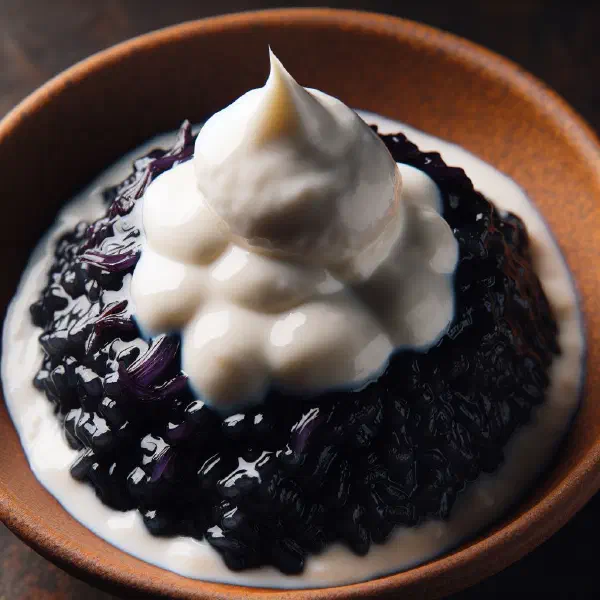
- Pulut Hitam — a creamy black glutinous rice pudding.
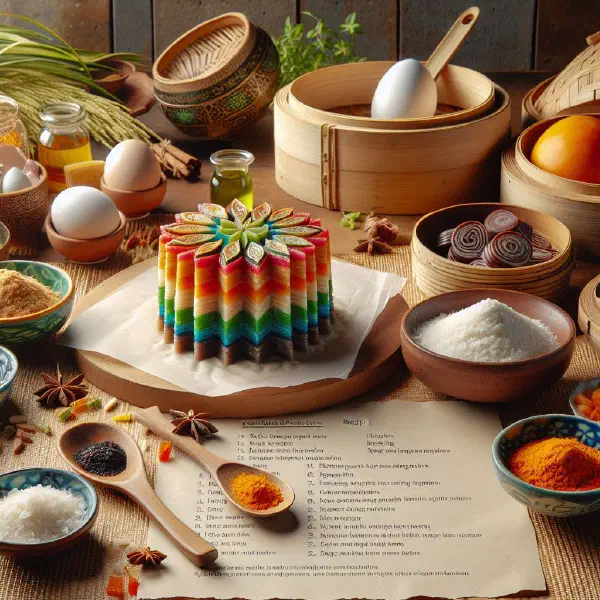
- Kuih Lapis — a colourful steamed layer cake.
- Pengat Pisang — bananas simmered in sweet coconut milk.
Summary: Dodol
In summary, dodol is a delicious dessert and carries deep cultural value. Its chewy consistency and rich flavour make it an ideal snack or dessert for festive occasions. With its simple preparation and versatile options for adaptation, dodol is a dessert that deserves a place in every kitchen. Let Malaysian cooking inspire you and enjoy this sweet secret.