National Dish Malaysia: Kari Laksa (Recipe)

In this article
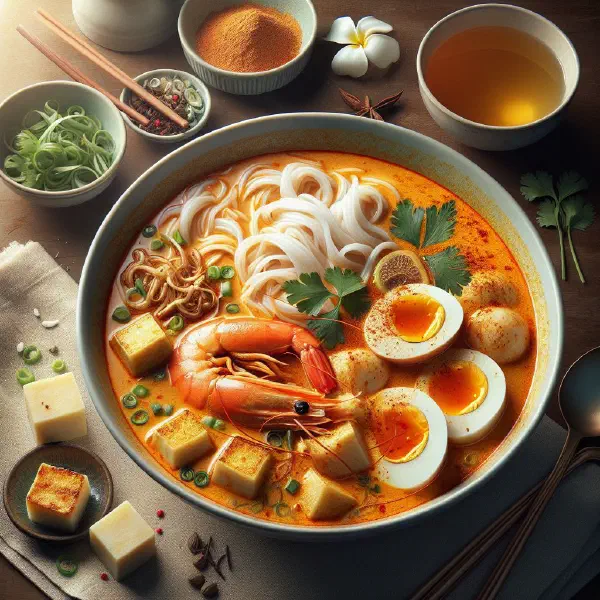
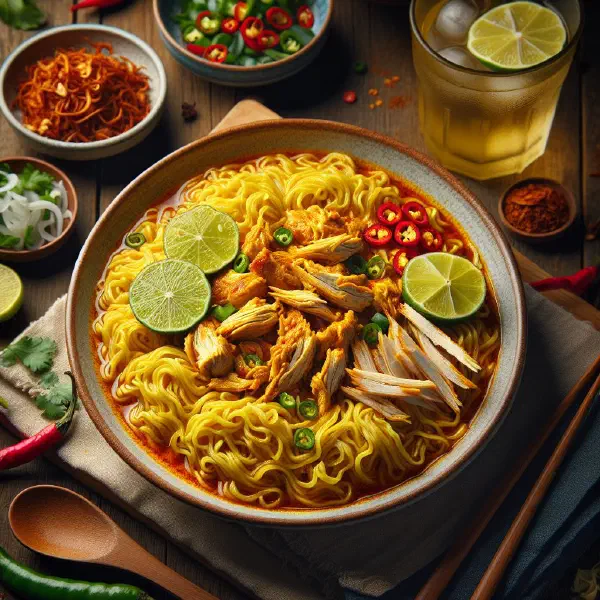
Discover Kari Laksa, Malaysia’s beloved curry noodle soup. This very good bowl brings together rich coconut milk, fresh herbs and a heady blend of spices for a flavour experience that lingers long after the last spoonful. Creamy, fiery and deeply aromatic, it captures everything that makes Malaysian cooking so captivating, and it is surprisingly simple to recreate at home.
About Kari Laksa
Kari Laksa is a classic of Malaysian cooking, hugely popular both at home and around the world. This spicy noodle soup combines the flavours of coconut milk, fresh herbs and a whole array of spices, resulting in an intensely aromatic bowl. Versions vary from region to region, its cousins Curry Mee and Laksa Penang each have their own devoted following, but they all share a common backbone of flavour built on curry paste and other fragrant ingredients. Let yourself be won over by the layered interplay of heat and creaminess.
Ingredients (serves 1–2)
- 200 g rice noodles
- 400 ml coconut milk
- 2 tablespoons curry paste
- 1 litre vegetable or chicken stock
- 200 g chicken breast (or tofu for vegetarians)
- 1 handful fresh coriander
- 2 spring onions
- 1 lime, to garnish
- Chilli, to taste
Shopping for the ingredients
When shopping for kari laksa, it pays to choose good-quality ingredients. The coconut milk in particular is crucial to the soup’s creamy character. The curry paste should also be fresh and well seasoned so it can develop its full aroma. Visit an Asian market or an online shop to track down authentic ingredients.
Preparing the dish
Start by cooking the rice noodles according to the packet instructions, then set them aside. Cut the chicken breast or tofu into small cubes. The fresh herbs and vegetables should also be washed and cut into the desired pieces to make the cooking process easier.
Step-by-step instructions
- Heat the stock in a large pan and stir in the curry paste.
- Add the chicken breast or tofu and stir well until cooked through.
- Pour in the coconut milk and bring to the boil.
- Place the rice noodles in a bowl and ladle the hot soup over them.
- Garnish with fresh coriander, spring onions and lime wedges.
- Add chilli to taste if you would like extra heat.
Gluten-free / lactose-free version
For a gluten-free kari laksa, simply use rice noodles, which are naturally free of gluten. Take care to choose a gluten-free stock and a curry paste made without gluten. If you are cooking lactose-free, coconut milk is an excellent alternative to cow’s milk and delivers the same creamy richness.
Tips for vegans and vegetarians
For a vegan or vegetarian version of kari laksa, swap the chicken breast for tofu or tempeh. Use vegetable stock instead of chicken stock for a plant-based foundation. Round out the bowl with aromatic vegetables such as pak choi, carrots or mushrooms. This adds extra flavour and makes the dish more nourishing, fans of plant-forward Malaysian food should also try Sayur Lodeh.
More tips and tricks
A few tips for the perfect kari laksa start with choosing the right spices. Experiment with different herbs such as mint or basil to vary the aroma. If you like it particularly hot, add a pinch of cayenne pepper or some fresh chillies. Do not forget to taste the soup regularly as it cooks to make sure the seasoning is spot on.
Adapting the recipe to your taste
Kari laksa is wonderfully adaptable and easy to tweak to personal preference. Add more vegetables for extra crunch, or dial back the heat by using less chilli. You can also vary the type of noodles, udon or soba noodles both work well. Try different combinations until you land on your own favourite version of the recipe.
Ingredient substitutions
If you do not have every ingredient for kari laksa to hand, there are some practical alternatives. Almond milk can stand in for coconut milk, for instance, even if the flavour shifts slightly. For the stock, use homemade broth or an instant version, depending on what is available. Just be sure to adjust the seasoning accordingly so the flavours do not become diluted.
Drink pairing ideas
For a truly rounded kari laksa meal, choose drinks that complement its flavours. A freshly made lime iced tea is a refreshing option that balances the soup’s heat, or go fully Malaysian with a frothy glass of Teh Tarik. Alternatively, a light beer pairs harmoniously with the dish. Just make sure the drink is not too dominant, so the flavour of the soup stays centre stage.
Serving and presentation ideas
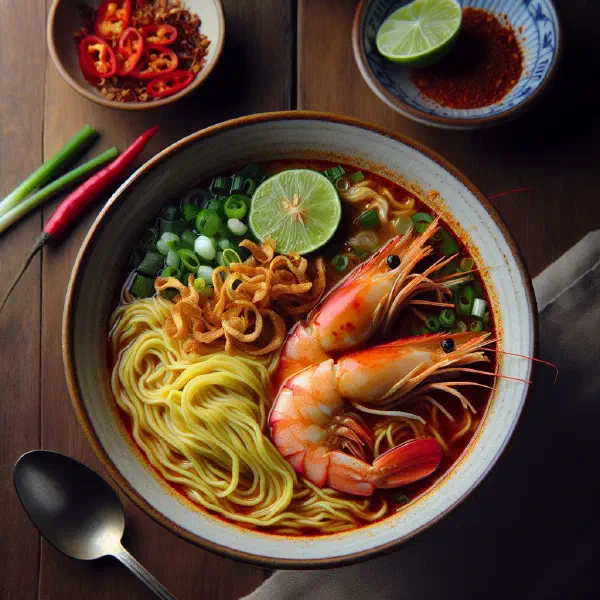
Thoughtful presentation can elevate the whole kari laksa experience. Serve the soup in colourful bowls and garnish with fresh herbs and lime wedges. To please the eye even further, scatter over some crispy fried shallots and toasted peanuts. These small details make the dish more inviting and add to the pleasure of eating it.
A bit of history
Kari laksa has a fascinating history, deeply rooted in the culture of Malaysia. Its origins trace back to the combined influences of Malay, Chinese and Indian cooking. The dish is a symbol of the cultural fusion that defines Malaysian cuisine, and over the years it has spawned countless variations. To this day it remains a favourite, cherished by locals and visitors alike.
More recipe ideas
- Nasi Lemak — rice cooked in coconut milk, served with an array of sides
- Roti Canai — flaky flatbread, often served with curry
- Satay — grilled marinated skewers with peanut sauce
- Popiah — fresh spring rolls filled with vegetables and protein
Summary: Kari Laksa
All in all, kari laksa is an incomparable dish that wins people over with its layered aromas and unique flavour. Ideal for any occasion, it offers a journey through the culinary world of Malaysia. Take the time to try this recipe, and enjoy the cooking just as much as the eating.