National Dish Malaysia: Kerabu (Recipe)

In this article
Discover Kerabu, Malaysia’s wonderfully refreshing herb salad. Crisp vegetables, fragrant mint and coriander and a zingy lime dressing come together in a dish that wakes up the palate and celebrates the sheer variety of Malaysian cooking. Kerabu brings brightness and crunch to any table.
About Kerabu
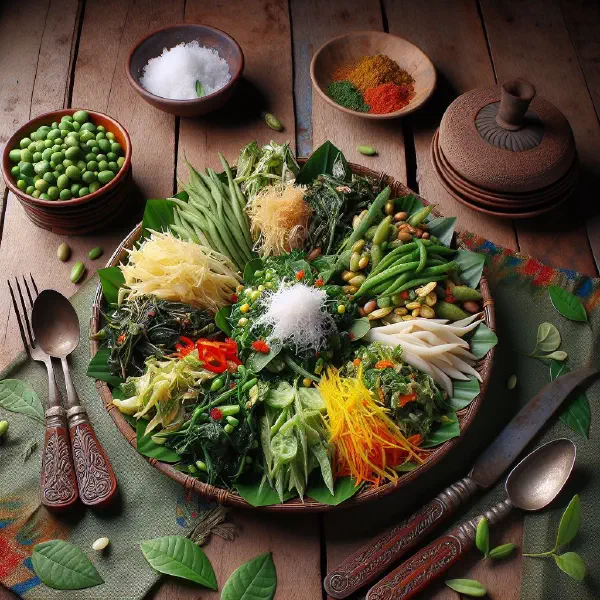
Kerabu is a refreshing salad that is deeply rooted in Malaysian culture. The dish brings together fresh herbs such as lemongrass and mint with crunchy vegetables and aromatic spices. Its lively interplay of flavours makes kerabu a genuine taste experience, one that appeals to the senses and whets the appetite in equal measure. It is most often served as a starter or side dish and pairs beautifully with a whole range of mains, from Ikan Bakar to a rich curry.
Ingredients (serves 1–2)
- 1 cup finely sliced vegetables (e.g. carrots, cucumber)
- 1/2 cup fresh herbs (e.g. mint, coriander)
- 1 small onion, thinly sliced
- 2 tablespoons lime juice
- 1 tablespoon fish sauce (optional)
- 1 teaspoon sugar
- Chilli, to taste
Shopping for the ingredients
The ingredients for kerabu are available in most Asian supermarkets or well-stocked grocery shops. Make sure the herbs are truly fresh, as they have a decisive influence on the flavour of the salad. If you are after specific items such as fish sauce, it is also worth looking online for good-quality options. Fresh vegetables matter just as much, guaranteeing the crisp texture and vibrancy that define the dish.
Preparing the dish
To make kerabu, the ingredients need to be prepared with a little care. Wash the vegetables and herbs and cut them into fine pieces. Slice the onion into thin rings as well, so it distributes evenly through the salad. Combining the fresh ingredients properly is key to bringing out the different aromas and making the dish look as good as it tastes.
Step-by-step instructions
- In a large bowl, toss together the prepared vegetables and herbs.
- In a separate small bowl, mix the lime juice, fish sauce, sugar and chilli.
- Pour the dressing over the vegetable mixture and combine everything thoroughly.
- Let the salad stand for around 10 minutes so the flavours can develop.
- Taste and adjust the seasoning, adding more lime juice or chilli if you like.
Gluten-free / lactose-free version
Kerabu is easy to prepare without gluten or lactose. Simply use a gluten-free fish sauce, or replace it with a combination of soy sauce and lime juice. All the other ingredients are generally gluten-free and lactose-free by nature. Just keep an eye out for hidden additives when you shop.
Tips for vegans and vegetarians
For a vegan version of kerabu, you can simply leave out the fish sauce or swap it for a plant-based alternative such as soy sauce or a little miso paste. A handful of toasted nuts adds not only flavour but a nourishing note too. Choose fresh, unprocessed ingredients wherever possible to get the best from the aromas. This makes kerabu a versatile, healthy dish for every way of eating.
More tips and tricks
To make kerabu even more interesting, try adding fruit such as mango or pineapple for a touch of sweetness, a trick that also shines in Rojak Buah. Experiment with different seasonal vegetables to discover new flavour combinations. The dressing can be adjusted to taste as well, for instance with a little ginger or garlic.
Adapting the recipe to your taste
Kerabu adapts easily to personal preference. If you like it hot, add extra chilli or a dash of spicy soy sauce, or serve it with a spoonful of Sambal Belacan on the side. For a creamier flavour, stir a little peanut butter or tahini into the dressing. The choice of vegetables can vary too: try different combinations depending on what you enjoy or what happens to be available.
Ingredient substitutions
If certain ingredients are hard to find or not to your liking, there are plenty of alternatives. Lime juice, for example, can be replaced with lemon juice. You can be creative with the herbs as well, Thai basil brings a sweet note, while rocket adds a gently peppery edge. Look through the ingredient list and experiment with the flavours you like best.
Drink pairing ideas
A range of drinks complements the fresh flavours of kerabu. A cool, refreshing drink such as green tea or a fruity lemonade is ideal. Alternatively, reach for a light white wine, which supports the aromas of the dish beautifully. If you prefer something non-alcoholic, try a mint and lime infused water to underline the salad’s refreshing character.
Serving and presentation ideas
Presentation can lift the whole kerabu experience. Serve the salad on a large, flat platter and garnish it with fresh herbs and a few whole chillies for visual impact. A small bowl of extra dressing on the side lets everyone season to their own taste. Play with the different colours of the ingredients to create a dish that looks as inviting as it tastes.
A bit of history
Kerabu has a long tradition in Malaysian cuisine and is a fine example of the cultural influences that shape the region. The use of fresh herbs and spices is a central pillar of Malaysian cooking. Kerabu is often served at festive occasions and family gatherings, where it symbolises hospitality and togetherness. With its colourful variety of ingredients, it reflects Malaysia’s cultural diversity and deepens the appreciation of the many influences in the country’s gastronomy.
More recipe ideas
Summary: Kerabu
Kerabu is a bright salad that shines through its combination of fresh herbs, crunchy vegetables and a punchy dressing. The dish is a treat for the palate and an expression of Malaysian culture and hospitality. Its versatility means the recipe is easily adapted to personal preferences or dietary needs. Whether as a starter, a side or a light main course, kerabu always offers a refreshing, healthy option for any occasion.