National Dish Malaysia: Ketupat (Recipe)
In this article
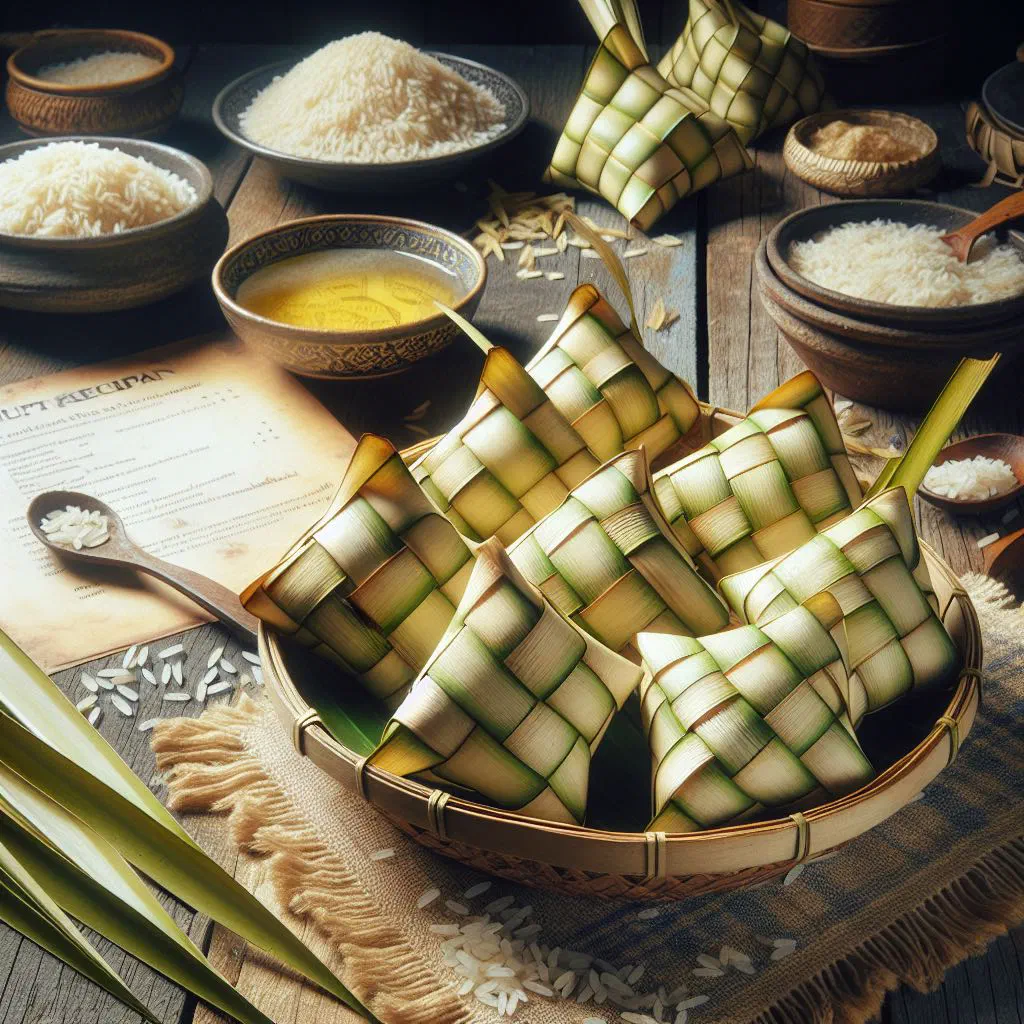
Discover Ketupat, Malaysia’s iconic woven rice parcel. These neat little pouches of glutinous rice, steamed inside handwoven palm leaves, are the centrepiece of festive tables across the country, especially at Hari Raya. More than just a side dish, ketupat stands for togetherness and celebration, and making it at home is a wonderfully rewarding kitchen project.
About Ketupat
Ketupat is a traditional Malaysian dish of cooked rice served in handwoven palm leaves. Rooted deep in Malaysian culture, it is most often prepared for festive occasions such as Hari Raya (Eid al-Fitr). This delicious speciality is tasty and a symbol of togetherness and celebration. Preparing ketupat calls for patience and dedication, which makes it a truly special experience in the kitchen, much like its close cousin Lontong, another beloved compressed rice dish.
Ingredients (serves 1–2)
- 1 cup glutinous rice
- 2 cups water
- 1 pinch of salt
- Handwoven palm leaves for wrapping
When shopping, make sure the glutinous rice is of good quality to achieve the best result. The palm leaves are available in Asian supermarkets and give the dish its distinctive character. The fresher the ingredients, the better the flavour of ketupat will come through.
Shopping for the ingredients
To shop for ketupat, head to an Asian market or a specialist grocery. Check that the glutinous rice is well packaged and shows no cracks or damage. The palm leaves are usually sold in bundles and are an essential part of this traditional dish. Pick up any spices and accompaniments you might want to serve alongside your ketupat as well.
Preparing the dish
The preparation of ketupat requires a little groundwork. First, soak the glutinous rice overnight so it can absorb the moisture it needs. On cooking day, the rice is boiled with a pinch of salt before being packed into the palm leaves. It is important to clean the palm leaves thoroughly beforehand and soften them, whether by blanching or simply soaking them in warm water.
Step-by-step instructions
- Soak the glutinous rice in water overnight.
- The next day, drain the rice and cook it in a pan with 2 cups of water and a pinch of salt.
- Stir the rice well and fill it into the prepared palm leaves.
- Seal the filled palm leaves tightly and steam them in a large pot for around 2 hours.
- After steaming, remove the ketupat from the leaves and let it cool briefly.
Making ketupat calls for precision and care to achieve a perfect result. Enjoy this exciting cooking process and let the aromas inspire you.
Gluten-free / lactose-free version
Bear in mind that ketupat is naturally gluten-free and lactose-free, as its main ingredient is glutinous rice. This makes the dish particularly appealing to anyone with these intolerances. Do make sure, however, that gluten-free and lactose-free products are also used in the preparation and the accompaniments to avoid cross-contamination. That way, every guest can enjoy the dish without any worries.
Tips for vegans and vegetarians
Ketupat is an excellent choice for vegans and vegetarians, as it is an entirely plant-based dish. Pair ketupat with a range of vegetable curries or sauces to bring out its versatility. You can also add vegetable sides such as fried aubergine or a fresh Sambal Belacan to make the whole meal even more interesting. Variations like these ensure the dish is a real treat for vegans and vegetarians too.
More tips and tricks
A few tips and tricks will help you conjure up the perfect ketupat. Take care to wrap the palm leaves tightly during preparation so no air pockets form, as these can interfere with the cooking process. Stir the rice regularly while it cooks to ensure an even cooking temperature. Experiment with different fillings or accompaniments to create your own individual ketupat.
Adapting the recipe to your taste
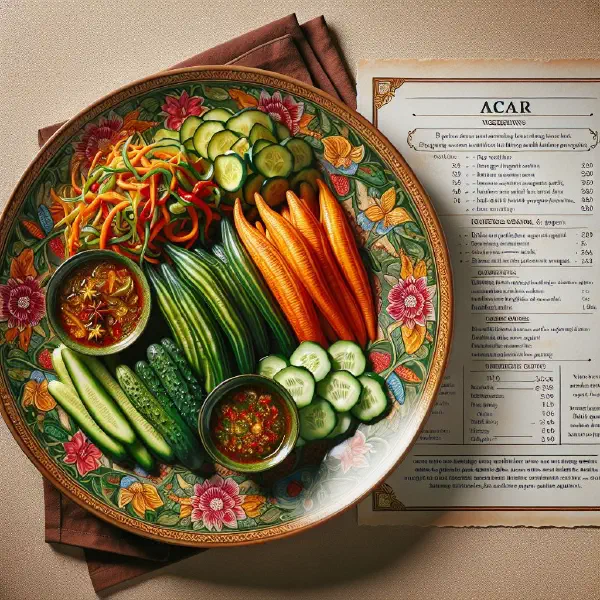
There are many ways to adapt the ketupat recipe to your own preferences. You can vary the spices to achieve different flavour profiles. Add turmeric, for example, for a special colour and taste. The choice of accompaniments can be tailored too; try pickled vegetables or exotic dips that pair well with the rice parcels.
Ingredient substitutions
If you cannot find certain ingredients for ketupat, there are several alternatives. Instead of glutinous rice, you can use sushi rice, which has a similar consistency. If palm leaves are unavailable, other natural materials such as large banana leaves work well for wrapping the rice filling.
Drink pairing ideas
Many drinks pair beautifully with ketupat and complement the flavour of the dish. Traditionally it is often served with sweet Teh Tarik, Malaysia’s famous pulled milk tea. Alternatively, you could choose fresh coconut water or flavourful fruit juices such as mango or passion fruit. These drinks offer a refreshing contrast to the savoury notes of ketupat.
Serving and presentation ideas
The presentation of ketupat can elevate the whole dining experience. Serve the dish on a large platter, framed by colourful vegetables or herbs. Adding aromatic sauces and dips in small bowls alongside the ketupat heightens the appeal of the dish. Take care to shape the rice neatly and arrange the palm leaves decoratively for an attractive table setting.
A bit of history
The history of ketupat reaches back to the early days of Malaysian culture. Originally it was prepared only during bountiful harvests and for festive occasions, as a symbol of prosperity. Cooking in palm leaves is a long-standing tradition that showcases the craftsmanship of the Malaysian people. This custom has been preserved across the generations and remains an important part of Malaysian cuisine and its culinary identity.
More recipe ideas
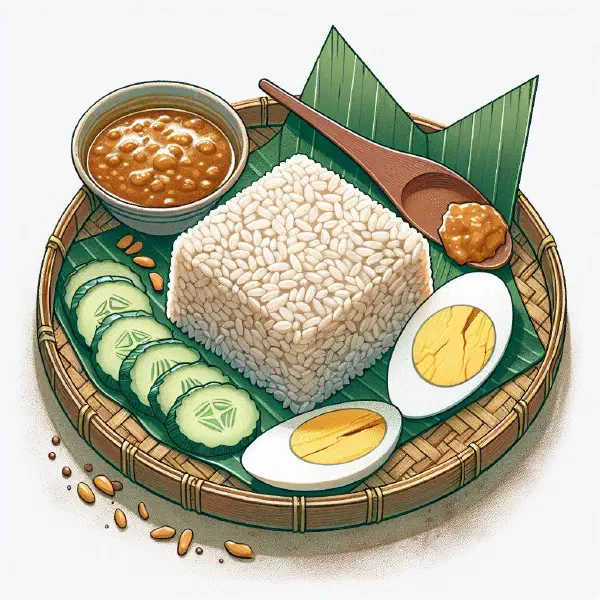
- Nasi Lemak — another traditional Malaysian dish, often served with coconut rice, sambal and various sides.
- Rendang Daging — a spiced beef dish simmered in coconut milk that pairs perfectly with ketupat.
- Pulut Inti — sweet glutinous rice topped with coconut and palm sugar, a delicious complement.
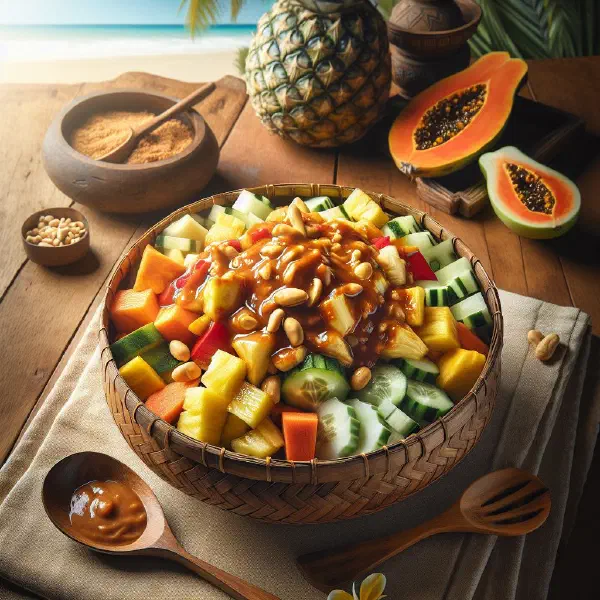
- Satay — grilled skewers with peanut sauce, the classic festive partner for ketupat.
Summary: Ketupat
Ketupat is a traditional Malaysian dish that is a symbol of festivity and togetherness. Its preparation is an artful process that demands dedication, yet rewards you with an incomparable taste experience. With its versatility as a side and its cultural significance, ketupat is an excellent part of any festive meal. Give this wonderful dish a try and let Malaysian cooking win you over.