National Dish Malaysia: Kuih Lapis (Recipe)
In this article
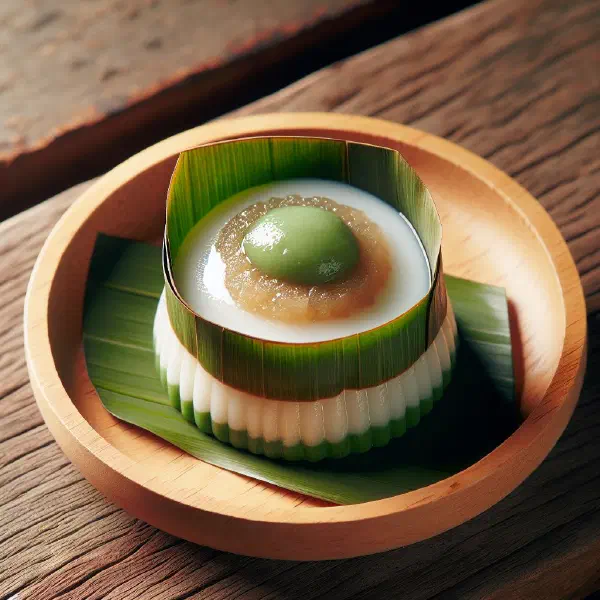
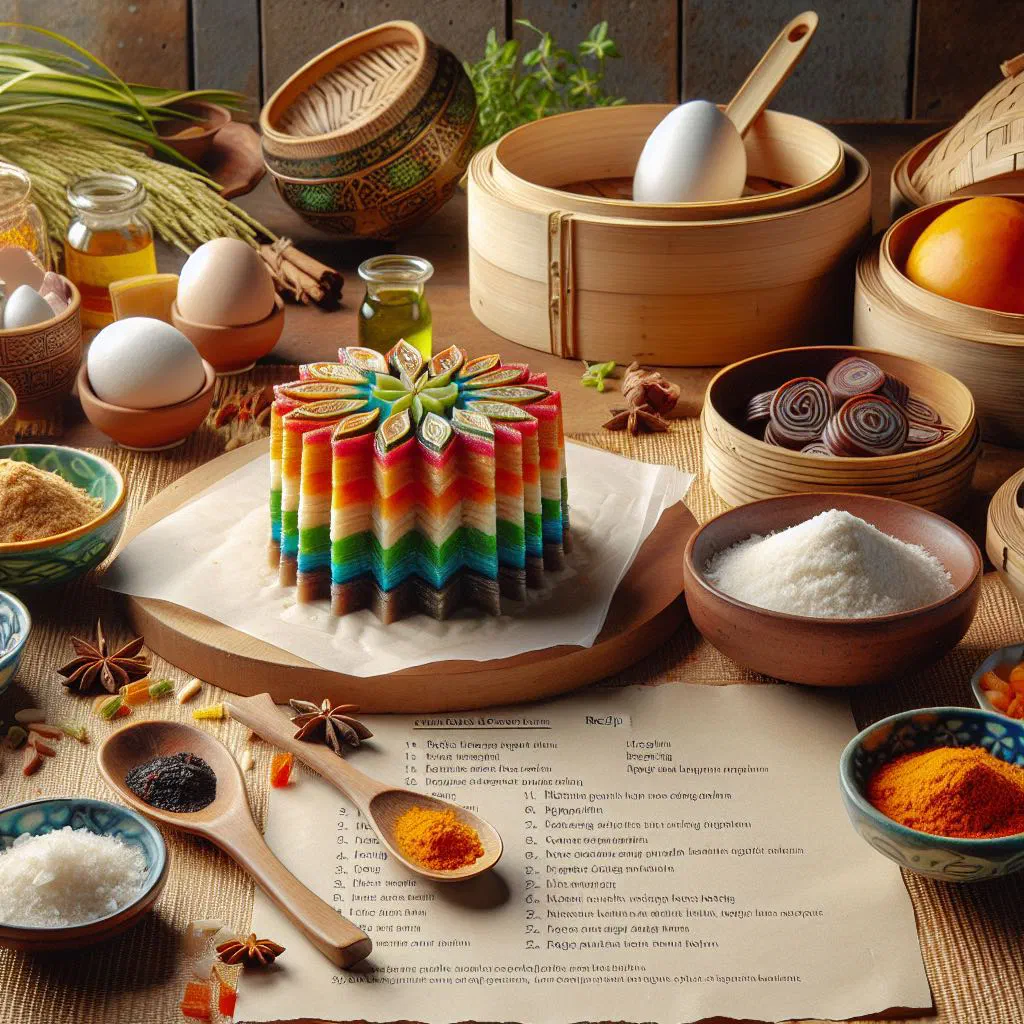
Discover Kuih Lapis, Malaysia’s beloved rainbow-layered steamed cake. Built from little more than rice flour, coconut milk and sugar, this artful dessert charms with its jewel-bright stripes as much as its delicate, gently sweet flavour. Watching the layers take shape in the steamer is half the pleasure, and peeling them apart one by one at the table is the other. A feast for every sense, straight from your own kitchen.
About Kuih Lapis
Kuih Lapis is a traditional Malaysian dessert that captivates with its beautiful, multicoloured layers. This delicious sweet treat is made from simple ingredients such as rice flour, coconut milk and sugar, and it appeals to through its taste and through its striking presentation. In many Malaysian households, Kuih Lapis is a favourite dessert for festivals and celebrations, being both sweet and comforting. Making it is an artful craft that calls for patience and precision, and it is a real pleasure to watch the individual layers form during the steaming process.
Ingredients (serves 1–2)
- 1 cup rice flour
- 1 cup coconut milk
- ½ cup sugar
- ½ teaspoon salt
- Food colouring (optional)
Shopping for the ingredients
Making Kuih Lapis generally requires only a handful of basic ingredients. Rice flour is easy to find in Asian grocery shops or online. When buying coconut milk, choose a good-quality brand to get the best flavour. Sugar is available everywhere, but it is worth experimenting with different varieties such as palm sugar to give the dessert a distinctive note.
Preparing the dish
Before you start making Kuih Lapis, measure out all the ingredients carefully. Prepare a steaming tin or a steamer, and make sure it is well greased so the dessert releases easily later on. If you would like coloured layers, work a little food colouring into the individual portions of the mixture. This adds extra visual appeal and makes the dessert even more inviting.
Step-by-step instructions
- In a bowl, mix the rice flour, sugar, coconut milk and salt thoroughly until you have a smooth batter.
- Divide the mixture evenly between two bowls. Add the food colouring to one bowl and stir well.
- Pour a thin layer of the uncoloured mixture into the prepared tin and steam it for about 10 minutes.
- After steaming, add the coloured mixture and steam again. Repeat this process until all the layers are used up.
- Steam the final layer until it is set, then let the dessert cool completely before cutting it into pieces.
Gluten-free / lactose-free version
Kuih Lapis is naturally gluten-free, as it is made primarily from rice flour. For a lactose-free version, use products based on plant-based milk alternatives, such as soya or almond milk. Check that the ingredients you choose contain no additives that might include lactose or gluten. That way the recipe stays suitable for anyone following a special diet.
Tips for vegans and vegetarians
There are equally good options for vegan versions of Kuih Lapis. Use plant-based alternatives to sugar, such as agave syrup or coconut blossom sugar, to achieve the sweet flavour. The important thing is to avoid artificial additives when choosing your ingredients and to use natural products wherever possible. That way vegans can enjoy this dessert without any regrets too.
More tips and tricks
The key when making Kuih Lapis is to keep an eye on the temperature and the steam. Too much heat can make the layers tough. Another tip is to grease the tin well before steaming so the dessert releases easily later. Experiment with different colours and combinations to create your own unique Kuih Lapis, perhaps taking cues from other steamed classics such as Tepung Pelita.
Adapting the recipe to your taste
One great advantage of Kuih Lapis is the flexibility of the recipe. You can adjust the amount of sugar to vary the sweetness to your liking, or even add different flavourings such as pandan or durian. If pandan wins you over, a slice of Pandan Cake is well worth trying next. Experiment with the ingredients to discover new flavours, and every time you make this dessert it becomes a fresh experience.
Ingredient substitutions
If you have no coconut milk to hand, you can also use milk alternatives such as almond or oat drink, although the flavour will vary slightly. Just make sure the result still tastes delicious. There are alternatives for the rice flour too, such as other gluten-free flours, which you can try out. That keeps the recipe interesting and personal.
Drink pairing ideas
A tropical drink goes wonderfully with Kuih Lapis, fresh coconut water, for instance, or a deep-red hibiscus tea. A glass of frothy Teh Tarik is another classic companion. These drinks harmonise beautifully with the dessert and make for an appealing overall picture when serving. You can offer fruity smoothies as well to round the dessert off perfectly. Simply tailor the selection to your guests’ preferences.
Serving and presentation ideas
The presentation of Kuih Lapis can be just as creative as its preparation. Cut the dessert into even cubes and arrange them attractively on a beautiful plate. Use fresh fruit or edible flowers as a garnish to make it look even more appealing. A pretty serving platter provides the perfect stage for your creation and is sure to catch your guests’ attention.
A bit of history
The roots of Kuih Lapis lie deep in Malaysian culture and tradition. This dessert has evolved over generations and is a symbol of festive occasions and celebrations. Its preparation is a culinary art and an expression of community and togetherness. In many communities, Kuih Lapis is still made by hand and holds a special place in Malaysian cuisine, making it a treasured heritage.
More recipe ideas
Summary: Kuih Lapis
Kuih Lapis is an impressive showcase of Malaysia’s rich and delicious cooking. This layered, colourful treat is far more than a pleasure for the senses; it also tells stories of tradition and community. With simple ingredients and a little patience, you can conjure up this culinary masterpiece in your own kitchen. Whatever the occasion, Kuih Lapis is certain to impress.