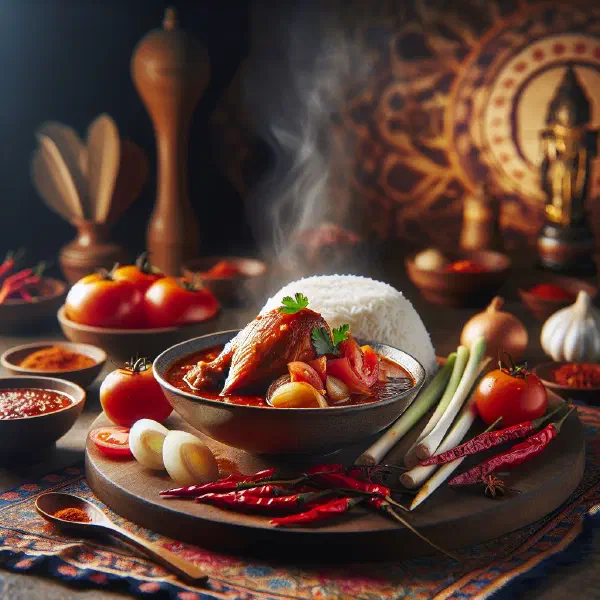
National Dish Malaysia: Nasi Ambeng (Recipe)
In this article
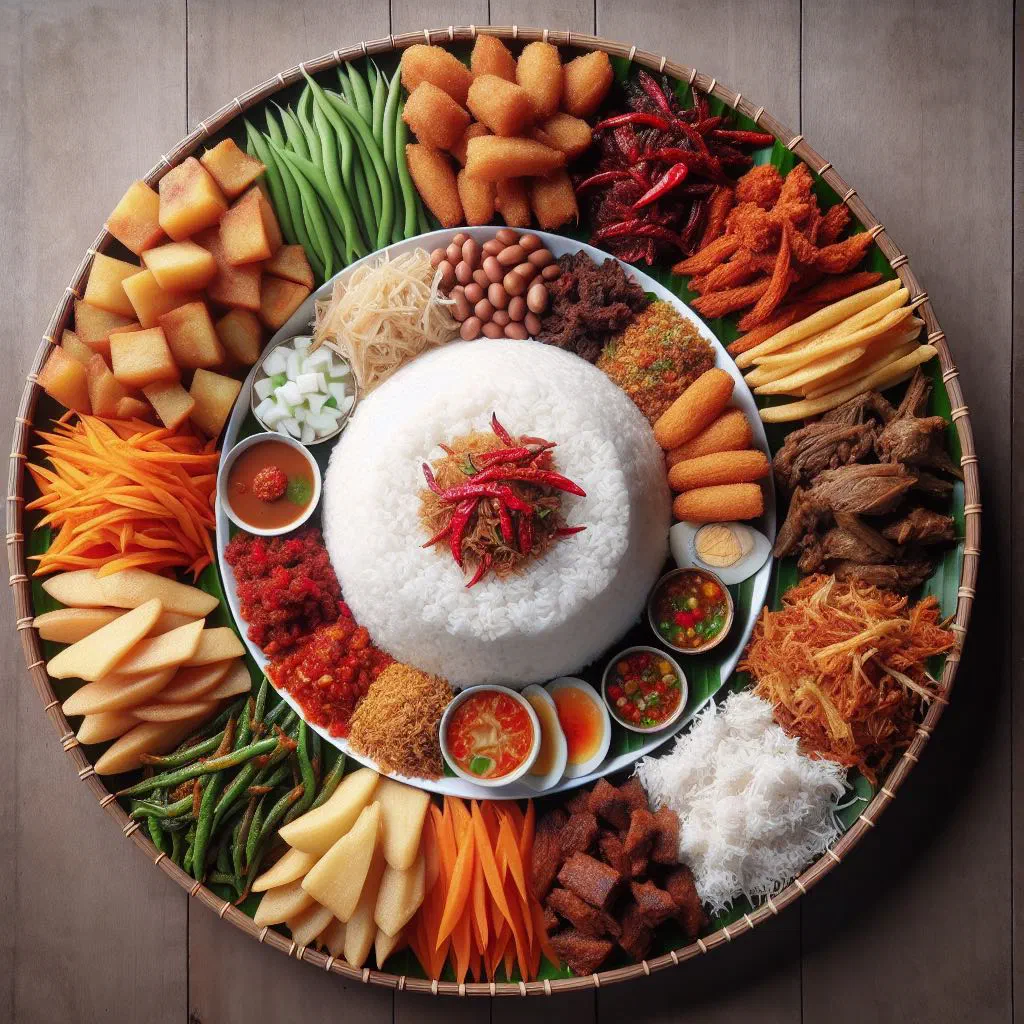
Discover Nasi Ambeng, Malaysia’s great communal feast on a plate. This traditional dish brings together fragrant rice, tender meat and an array of delicious accompaniments on one generous platter, made for sharing. Rooted in Javanese tradition and beloved at Malaysian celebrations, it turns any gathering into a memorable occasion, and it is far easier to recreate at home than you might think.
About Nasi Ambeng
Nasi Ambeng is a traditional Malaysian dish with its origins in Javanese cooking. It is built around fragrant rice, tender meat, a selection of spiced side dishes and aromatic sauces, all arranged together on a single platter. The dish is often served at special occasions and enjoyed as part of a festive presentation. Eating together sits at the very heart of Malaysian food culture, and Nasi Ambeng celebrates that tradition in an especially delicious way.
Ingredients (serves 1–2)
- 2 cups jasmine rice
- 300 g chicken breast or beef
- 1 cup coconut milk
- 2 tablespoons soy sauce
- 1 teaspoon turmeric
- 1 teaspoon salt
- 2 tablespoons vegetable oil
- Spiced side dishes of your choice (e.g. sambal, cucumber salad)
- Fresh herbs, to garnish
Shopping for the ingredients
Shopping carefully for the ingredients is an important step towards making sure your Nasi Ambeng delivers its full flavour. Most items are easy to find in local Asian supermarkets or international grocery shops. When buying rice, look for good-quality jasmine rice, which provides the essential fragrance. Fresh herbs and vegetables add both flavour and a decorative touch to the finished dish, and a jar of fiery Sambal Belacan makes the perfect fiery accompaniment.
Preparing the dish
Good preparation is crucial for bringing all the flavours of Nasi Ambeng into harmony. Start by washing the rice thoroughly to remove excess starch and keep the grains from sticking together. While the rice cooks, you can marinate the meat and get the side dishes ready. Having all your ingredients well organised makes the cooking process smoother and far more efficient.
Step-by-step instructions
- Bring the rice to the boil in a pan with 4 cups of water and the coconut milk.
- Cut the meat into small pieces and marinate it with the soy sauce, turmeric and salt.
- Fry the marinated meat in a pan with the vegetable oil until golden brown.
- Arrange the cooked rice in a large bowl and spoon the meat over the top.
- Arrange the side dishes attractively around it and garnish everything with fresh herbs.
Gluten-free / lactose-free version
Nasi Ambeng is easy to adapt to special dietary needs. To make the dish gluten-free, simply use gluten-free soy sauce in place of the regular kind. For a lactose-free version, check that your coconut milk contains no added dairy ingredients. That way, everyone can enjoy the dish to the full, including guests with food intolerances.
Tips for vegans and vegetarians
Nasi Ambeng adapts beautifully for vegans and vegetarians. Instead of meat, use tofu or seitan, both of which marinate and fry just as well. Round the dish out with a variety of vegetable sides, such as stir-fried broccoli or carrots, for extra nutrients. Do make sure all your ingredients are vegan-friendly, including the soy sauce and cooking oils.
More tips and tricks
To get the most out of your Nasi Ambeng, aim for plenty of variety in the side dishes. Add different nut or seed mixes for an extra crunch. Serving everything on one large plate or platter is more than a feast for the eyes. It encourages the convivial, shared style of eating the dish is known for. Experiment with the spicing until it matches your own taste.
Adapting the recipe to your taste
Nasi Ambeng is a wonderfully flexible dish that is easy to tailor to personal preference. Add different kinds of meat or seafood to work in your favourite flavours. Vegetarian versions can be enriched with a variety of pulses, which bring both nutrients and taste. Seasonal ingredients are another great way to keep the dish fresh and appealing all year round.
Ingredient substitutions
If certain ingredients are not to your liking or hard to find, there are plenty of alternatives. Almond milk can stand in for coconut milk to give the dish a different character. For the sides, pan-fried aubergine or courgette make healthy substitutes.
Drink pairing ideas
The right drink rounds off the Nasi Ambeng experience beautifully. A classic Asian iced tea or a refreshing glass of lemon water pairs well with the dish’s spiced flavours. For a more festive occasion, a light white wine or a fruity cocktail makes an excellent companion. Just avoid anything too sweet, so the drinks do not overpower the food.
Serving and presentation ideas
An attractive presentation is key. This is a dish meant to be admired as well as eaten. Serve Nasi Ambeng on a large, round platter so all the different components are shown off to full effect. Edible flowers or fresh herbs add a special finishing touch. Colourful crockery helps highlight the bright colours of the dish.
A bit of history
The history of Nasi Ambeng is rich and varied, making it a genuine piece of Malaysia’s cultural heritage. Originally brought to Malaysia by Javanese immigrants, the dish has evolved over the years and adapted to local tastes. It is an expression of Malaysia’s multicultural society and reflects the many culinary traditions found in Malaysian cuisine. Sharing a platter of Nasi Ambeng fosters community and togetherness, which is why it remains an essential part of festive celebrations.
More recipe ideas
Summary: Nasi Ambeng
In short, Nasi Ambeng is a varied and flavour-packed dish that is ideal for convivial occasions. Its harmonious flavours and the ease with which it can be adapted to personal taste make it a favourite in many households. Its history and communal character invite you to enjoy good food in good company. Give it a try and immerse yourself in the culinary diversity of Malaysia.