National Dish Malaysia: Nasi Dagang (Recipe)
In this article
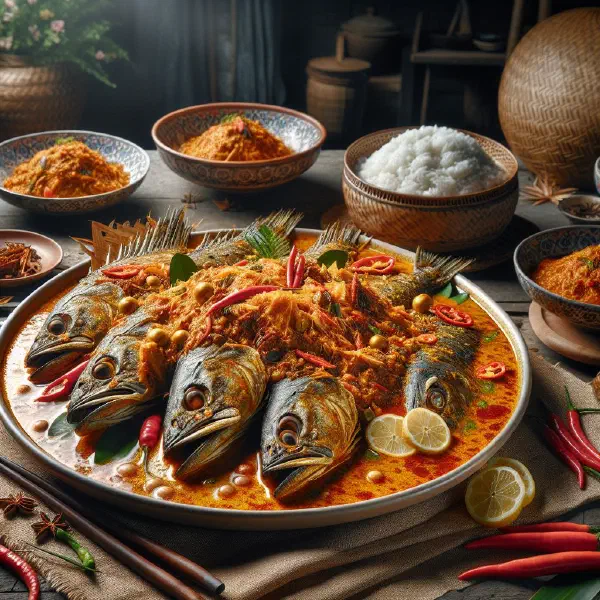
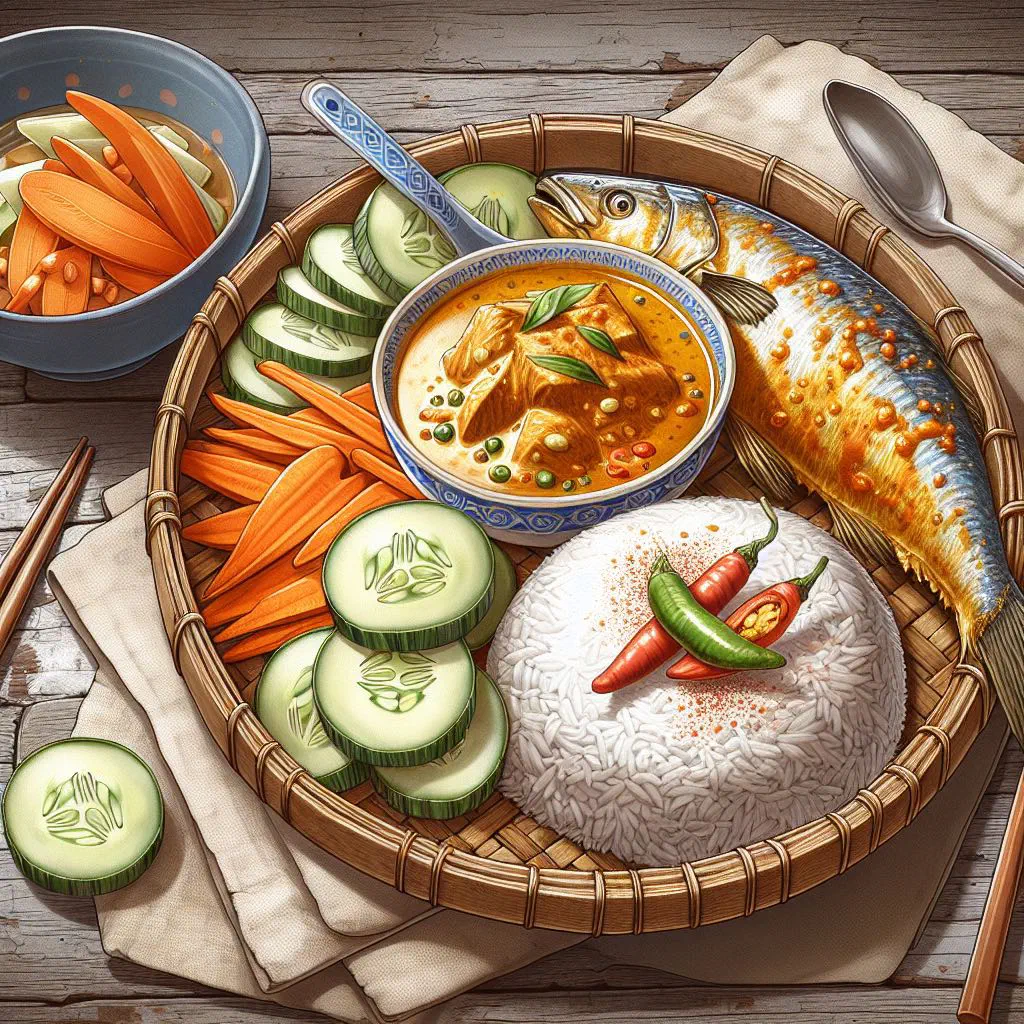
Discover Nasi Dagang, one of Malaysia’s most treasured rice dishes. Fragrant steamed rice enriched with creamy coconut milk meets tender flaked fish and a fiery spoonful of sambal, a combination that has pleased the east coast of Malaysia for generations. This recipe brings the flavours of Kelantan and Terengganu straight to your table.
About Nasi Dagang
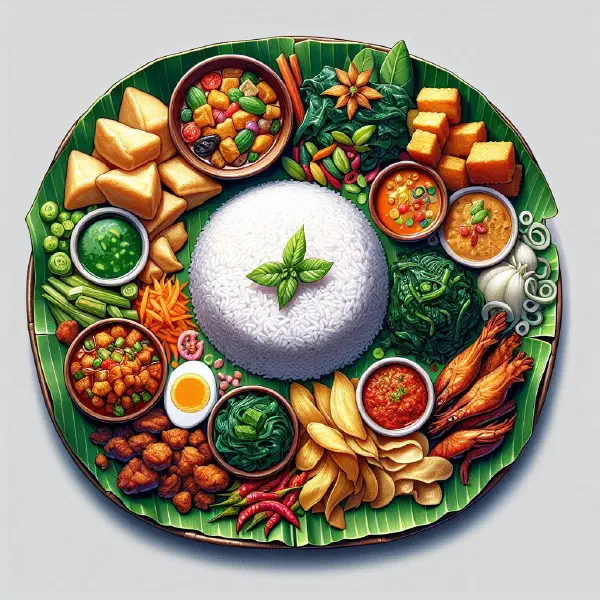
Nasi Dagang is a traditional Malaysian dish that takes rice cookery to a whole new level. It pairs aromatic steamed rice with delicious curries, often prepared with a generous touch of coconut milk. The interplay of flavours and textures makes it a truly special experience. The dish carries both Arab and local influences and is especially popular in the states of Kelantan and Terengganu, alongside other regional favourites such as Nasi Kerabu.
Ingredients (serves 1–2)
- 1 cup basmati rice
- 1 cup coconut milk
- 1 teaspoon salt
- 1 teaspoon sugar
- 150 g fish (e.g. mackerel), cooked and flaked
- 1 cup cucumber, cut into strips
- 2 tablespoons sambal (spiced chilli paste)
- Fresh herbs, to garnish (e.g. coriander)
Shopping for the ingredients
The key items on your list are coconut milk and fresh fish. Make sure the fish is genuinely fresh to guarantee the best flavour. A good selection of spices and fresh herbs is just as important for achieving an authentic taste, so a trip to an Asian grocery or a well-stocked market is well worth it.
Preparing the dish
Before you start cooking nasi dagang, have all your ingredients within easy reach. Wash the rice thoroughly to remove excess starch. This stops it turning too sticky during cooking. In the meantime, you can cook and flake the fish so it is ready to serve with the rice later on.
Step-by-step instructions
- Bring the basmati rice to the boil in a large pan of water with a pinch of salt.
- Simmer the rice over low heat for around 15–20 minutes until cooked through.
- In a separate pan, warm the coconut milk with the salt and sugar, stirring well.
- Fold the warm coconut milk through the cooked rice, cover and leave to rest for 10 minutes.
- Arrange the flaked fish on top of the rice and serve with the cucumber and sambal.
- Garnish with fresh herbs and enjoy straight away.
Gluten-free / lactose-free version
Nasi dagang is naturally gluten-free, as the rice at its heart contains no gluten whatsoever. To keep the dish lactose-free, simply use plant-based alternatives in place of any dairy, the coconut milk itself is already dairy-free. Just check that every ingredient you use is free of hidden lactose-containing additives. That way, the pleasure remains intact for anyone with an intolerance.
Tips for vegans and vegetarians
For a vegan version of nasi dagang, simply leave out the fish or replace it with marinated tofu. The dish adapts beautifully. Add extra vegetables such as cauliflower or broccoli to bring in more texture. You can also reach for a dedicated vegan spice paste that is free of animal products. With these tweaks, everyone can enjoy a delicious and nourishing plate.
More tips and tricks
To make your nasi dagang even more aromatic, refine the dish with spices such as turmeric or garam masala. They add extra layers of flavour and a bright splash of colour. Experiment with the consistency of the coconut milk too, reducing it more or less to taste. And if you like it hot, stir in extra sambal or fresh chillies, the same fiery kick you will find in Sambal Belacan.
Adapting the recipe to your taste
The beauty of nasi dagang lies in its versatility, which lets you shape the recipe to your own palate. Vary the type of fish, or swap in other protein-rich ingredients such as prawns or chicken. The accompaniments are flexible as well. Add different vegetable sides or serve the dish with other sauces. This way, every bite matches your personal taste exactly.
Ingredient substitutions
If coconut milk is not for you, or you prefer a lighter version, almond or oat milk work as alternatives. These plant-based options give the dish a different but equally delicious character. Fish lovers can also turn to regional catches such as trout or sea bream. Ultimately, the choice of ingredients comes down to personal preference and what your local shops have on offer.
Drink pairing ideas
Nasi dagang pairs wonderfully with a range of drinks. A lightly chilled Asian lager or a refreshing ice-cold lime cordial complements the dish’s spicy notes beautifully. If you prefer something alcohol-free, mint tea or green tea is an excellent choice, or try Malaysia’s famous frothy pulled tea, Teh Tarik. These drinks echo the freshness of the ingredients and balance the flavours of the main course perfectly.
Serving and presentation ideas
Presentation can lift the whole nasi dagang experience. Serve the dish on a large, flat plate and garnish it with fresh herbs and a slice of lemon. For a festive touch, brighten the plate with colourful vegetable sides that set off the dish’s natural tones. An appealing presentation makes the meal not only tasty but a feast for the eyes as well.
A bit of history
Nasi dagang has a rich cultural history that is closely bound up with Malaysian tradition. Originally prepared by fishermen along the coastal regions of Kelantan and Terengganu, the dish is shaped by the culinary practices of the communities living there. Through the influence of Arab traders, the recipe evolved over the years. Today it is a symbol of Malaysian cuisine and is served at many festive occasions.
More recipe ideas
Summary: Nasi Dagang
Nasi dagang offers an authentic taste experience that captures the flavours of Malaysia perfectly. With its combination of fragrant rice, tender fish and spicy sambal, the dish is both nourishing and deeply satisfying. It is simple to prepare and adapts wonderfully to personal preferences. Give it a try and treat yourself to a tour through Malaysia.