National Dish Malaysia: Nasi Goreng (Recipe)
In this article
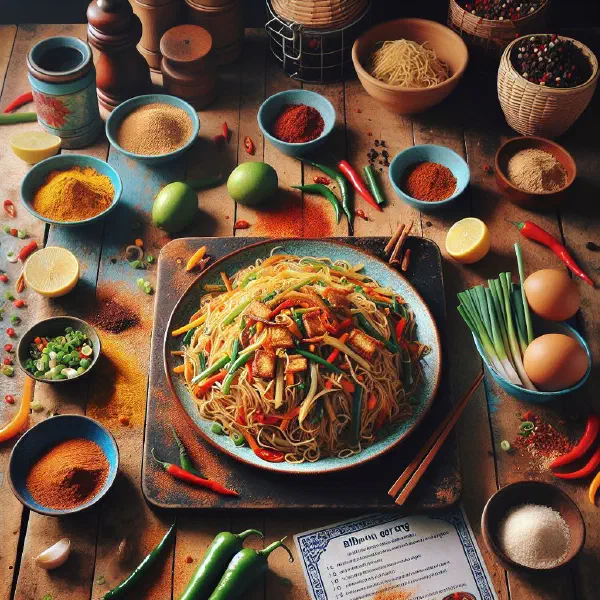
Discover Nasi Goreng, Malaysia’s beloved national dish. Far more than simple fried rice, this fragrant favourite layers sweet, spicy and savoury notes into one very good plate. With our easy recipe you can dive straight into the aromas of a Malaysian night market. No plane ticket required. It comes together in minutes and turns yesterday’s leftover rice into something truly special.
About Nasi Goreng
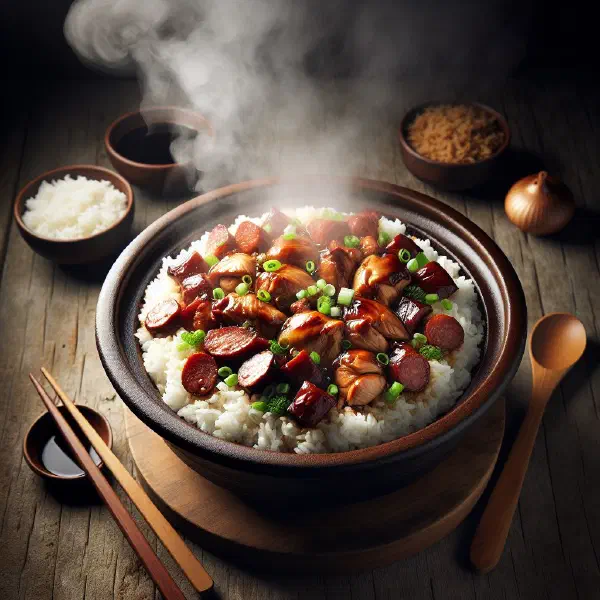
Nasi Goreng, the heart and soul of Malaysian cooking, is far more than just fried rice. It is an explosion of sweet, hot and umami-rich flavours that come together in perfect harmony. The dish earned its status as a national symbol through its simple yet endlessly versatile preparation, which welcomes a whole range of local ingredients. Chicken or kept vegetarian, nasi goreng brings the diversity of Malaysia to the plate and makes every meal a memorable one.
Ingredients (serves 1–2)
- 200 g cooked rice, ideally from the day before
- 2 tablespoons oil
- 1 small piece of ginger, finely chopped
- 2 garlic cloves, finely chopped
- 1 small onion, diced
- 1 red chilli, deseeded and finely chopped (optional)
- 100 g chicken breast, cut into pieces
- 1 handful of vegetables of your choice (e.g. carrots, peppers, broccoli)
- 2 tablespoons soy sauce
- 1 tablespoon oyster or fish sauce
- 1 teaspoon kecap manis (sweet soy sauce)
- 2 eggs, beaten
- 1 spring onion, sliced into rings
- Salt and pepper to taste
Shopping for the ingredients
For an authentic nasi goreng, choose fresh ingredients and, where possible, shop at an Asian grocery to track down specialities such as kecap manis and oyster or fish sauce. Fresh vegetables and herbs are just as essential to the dish’s characteristic flavour, so it is worth picking the best produce you can find.
Preparing the dish
It is well worth cooking the rice the day before so it can cool completely and dry out overnight, day-old rice is the secret to fried rice that stays loose and never clumps in the pan. Prepare all the ingredients in advance by chopping and measuring everything, so the cooking itself moves along briskly and without interruption.
Step-by-step instructions
- Heat the oil in a large frying pan or wok over a medium heat.
- Add the ginger, garlic and onion and fry until translucent.
- Add the chilli and the chicken and continue frying until the meat is almost cooked through.
- Tip in the vegetables and let them fry along for a few minutes.
- Push everything to the side of the pan, pour in the beaten egg and let it set before folding it through the other ingredients.
- Add the rice and the soy sauces, then stir-fry continuously until the rice is evenly coated in the sauce and piping hot.
- Finally, season with salt and pepper and garnish with the spring onion rings.
Gluten-free / lactose-free version
Nasi goreng is naturally lactose-free, as it is cooked entirely in oil rather than butter. Making it gluten-free takes only one small swap: use tamari or a certified gluten-free soy sauce in place of the standard variety, and check that your oyster or fish sauce and kecap manis are labelled gluten-free too. With those simple changes, everyone at the table can tuck in without a second thought.
Tips for vegans and vegetarians
For a vegetarian or vegan version, simply swap the chicken for tofu or tempeh and replace the oyster or fish sauce with a vegetarian alternative, such as mushroom-based stir-fry sauce. Vegans should leave out the egg or use a plant-based scramble instead. Malaysia has a proud tradition of soy-based cooking, its tofu and tempeh dishes show just how satisfying it can be.
More tips and tricks
A side dish such as a cool cucumber salad or pickled vegetables adds a welcome burst of freshness to the rich, savoury rice. Fry the rice over a good, steady heat and keep it moving in the pan so every grain picks up flavour without catching. If you like a smoky edge, let the rice sit undisturbed for a few seconds between stirs to develop those prized caramelised notes.
Adapting the recipe to your taste
The beauty of nasi goreng lies in its flexibility. Adjust the recipe to your own preferences by dialling the heat, sweetness or umami up or down, a spoonful of Sambal Belacan is the classic way to bring serious fire to the plate. You can also experiment with different vegetables and adapt the dish to whatever is in season.
Ingredient substitutions
If you cannot find kecap manis, a mixture of ordinary soy sauce and a little brown sugar makes a fine stand-in. Instead of chicken you can use beef, prawns or a plant-based protein, the dish takes almost any substitution in its stride and still delivers on flavour.
Drink pairing ideas
A cold beer or a glass of light white wine makes an excellent companion to nasi goreng. For alcohol-free options, reach for fresh fruit juices or an aromatic tea, Malaysia’s famous frothy pulled tea, Teh Tarik, is a particularly fitting choice.
Serving and presentation ideas
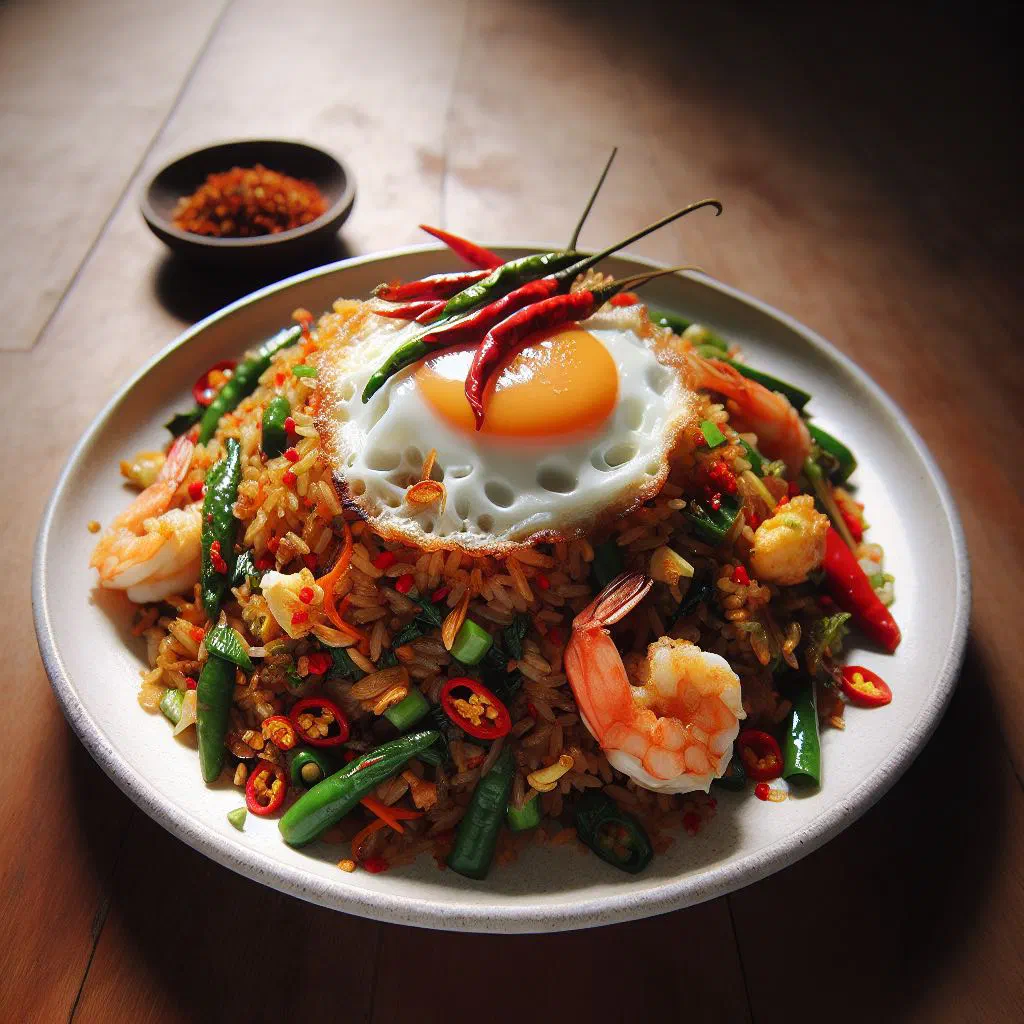
Serve nasi goreng on a warmed plate and garnish with fresh herbs and thin cucumber slices or crispy fried shallots to add colour and texture. A fried egg on top, its yolk still soft, is a traditional and much-loved finishing touch that turns the dish into a real feast for the eyes.
A bit of history
The roots of nasi goreng lie in the Southeast Asian tradition of using up leftover rice to avoid wasting food. Over time the dish evolved, absorbing regional ingredients and spices along the way, and became a firm fixture of Malaysian cuisine, from humble home kitchens to busy hawker stalls.
More recipe ideas
Summary: Nasi Goreng
Nasi goreng is a flavour-packed, wonderfully adaptable dish that reflects the culinary diversity of Malaysia. With fresh ingredients and a little practice, anyone can recreate it at home and bring a taste of Malaysia to their own table. Give this national treasure a try, one pan, a handful of ingredients and a few minutes are all it takes.