National Dish Malaysia: Pandan Cake (Recipe)
In this article
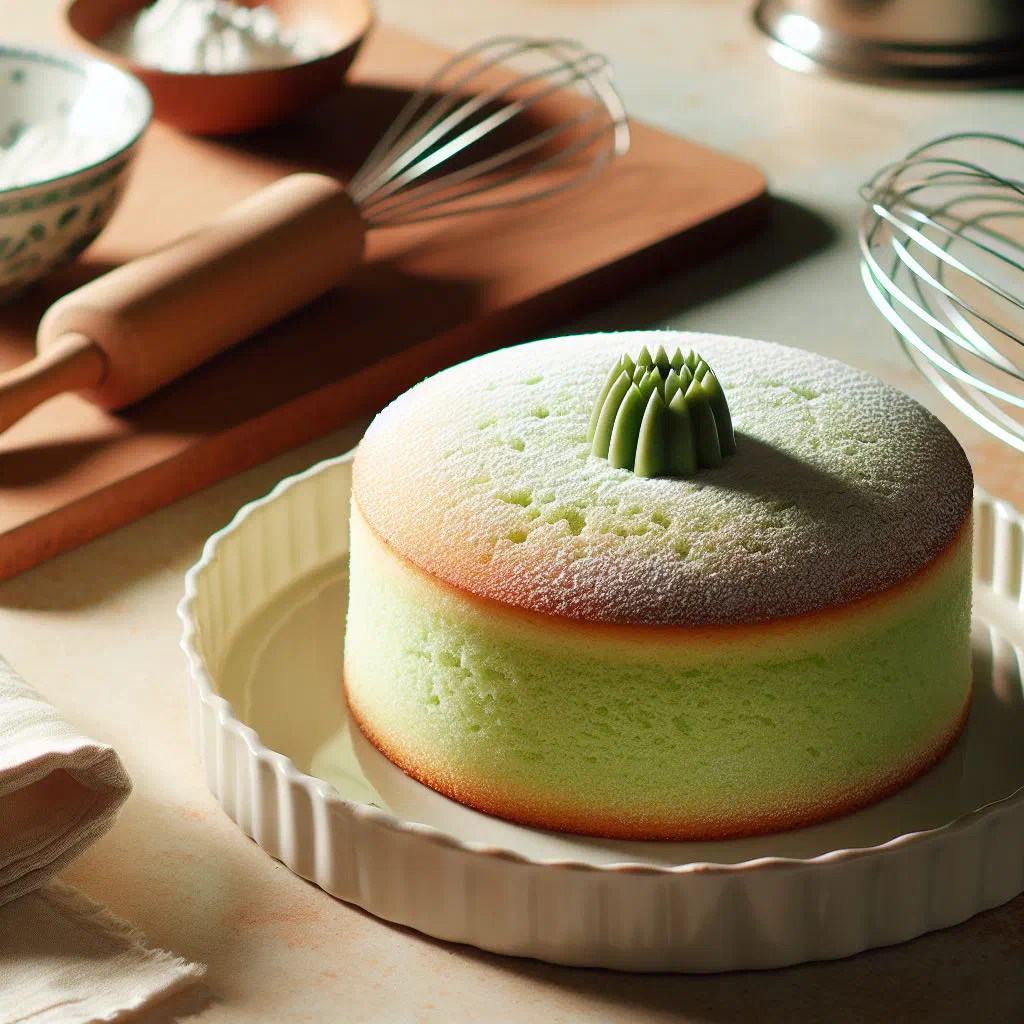
Discover Pandan Cake, Malaysia’s beloved green-hued bake. This wonderfully light sponge owes its striking colour and gentle, vanilla-like fragrance to the pandan leaf, while a splash of coconut milk keeps every bite soft and fragrant. Perfect with an afternoon cup of tea or as the sweet finale to a Malaysian feast, it brings the flavours of Southeast Asia straight to your kitchen.
About Pandan Cake
Pandan Cake is a much-loved bake celebrated for its remarkable freshness and aromatic flavour. The star ingredient, the pandan leaf, gives the cake its characteristic green colour and a subtle, sweet fragrance reminiscent of vanilla. Across many Asian countries it is served at celebrations and family gatherings, and it sits comfortably alongside classics of Malaysian cuisine such as Kuih Lapis. The combination of delicate textures and captivating aromas makes it a must for anyone who loves Asian cooking.
Ingredients (serves 1–2)
- 100 g flour
- 100 g sugar
- 3 eggs
- 50 ml coconut milk
- 1 teaspoon baking powder
- 10 ml pandan syrup or extract
- 1 pinch of salt
Shopping for the ingredients
The ingredients for pandan cake are relatively easy to find, especially in Asian supermarkets or online. Make a point of buying fresh pandan leaves or a good-quality pandan syrup to achieve the best flavour. If you live somewhere pandan is hard to come by, you can look for alternatives that offer similar aromas. Fresh ingredients are the key to a successful cake, so choose with care.
Preparing the dish
Before you start making the pandan cake, set out all the ingredients and prepare your baking tin. A round cake tin is ideal, but muffin tins work brilliantly for individual portions too. Make sure you grease the tin well or line it with baking paper to stop the cake sticking. Then preheat the oven to 175 degrees Celsius so it is ready the moment the batter is finished.
Step-by-step instructions
- Beat the eggs and sugar in a large bowl with a hand mixer or stand mixer until the mixture is pale and creamy.
- Add the coconut milk, the pandan syrup and the pinch of salt, and stir everything together well.
- In a separate bowl, combine the flour with the baking powder and gradually work it into the wet mixture.
- Mix the batter thoroughly until smooth, then pour it into the prepared tin.
- Bake in the preheated oven for 30–40 minutes, until a toothpick comes out clean. Let the cake cool before serving.
Gluten-free / lactose-free version
If you would like a gluten-free or lactose-free version of pandan cake, there are simple adjustments you can make. Use a gluten-free flour such as rice flour or almond flour in place of plain flour. For the lactose-free version, coconut milk can serve as the main dairy stand-in, which also benefits the cake’s texture and flavour. With these tweaks the cake stays every bit as delicious and aromatic as the traditional version.
Tips for vegans and vegetarians
Vegan alternatives are easy to put into practice too. Replace the eggs with plant milk or an egg substitute such as apple purée or chia seeds to achieve the same binding. Check that the pandan syrup you use is vegan to keep the recipe true to its principles. With these small changes, vegans and vegetarians alike can enjoy the delicious aroma of pandan cake.
More tips and tricks
One important tip when making pandan cake is not to overmix the batter, which keeps the texture light and fluffy. Keep an eye on the cake as it bakes, since every oven is different and the baking time can vary. To make the cake even more aromatic, fold some desiccated coconut into the batter. And for a special touch, serve it with a coconut milk sauce or fresh fruit, much like the coconut-laced sweetness of Sago Gula Melaka.
Adapting the recipe to your taste
The lovely thing about pandan cake is its versatility. You can experiment with different ingredients to find your personal favourite. Add nuts such as almonds or cashews for extra crunch, or vary the sweetness by using less sugar. If you fancy a more varied texture, try different types of flour or round the cake off with warming spices.
Ingredient substitutions
If certain ingredients are out of reach, several are easy to swap. Pandan syrup, for example, can be replaced with vanilla extract if you cannot get hold of pandan’s distinctive flavour. Almond or soya milk can stand in for coconut milk, depending on preference and availability. Use these alternatives and adjust the quantities to achieve the result you are after.
Drink pairing ideas
Pandan cake pairs beautifully with a range of drinks. Try it with a cup of green tea or black coffee to round off the aromas, or go the classic Malaysian route with a frothy Teh Tarik. A refreshing chilled coconut drink or fresh fruit juice complements the cake perfectly too. These combinations create a delicious taste experience and an appealing presentation for your guests.
Serving and presentation ideas
Presentation often makes all the difference with food, and pandan cake lends itself to creative plating. Serve the cake on a beautiful plate, garnished with fresh fruit or edible flowers for a visual wow factor. A lightly sweetened coconut sauce on the side makes the cake even more enticing. Remember to cut the slices evenly and arrange them attractively to elevate the whole experience.
A bit of history
Pandan cake has its roots in traditional Asian cooking, particularly in Malaysia and Indonesia. The pandan leaf, often called the “vanilla of Asia”, has been used for centuries to give dishes a unique aroma and vivid colour. In many cultures pandan is seen as a symbol of hospitality and is frequently presented at festive occasions, much like the pandan-wrapped pancakes known as Kuih Ketayap. The popularity of pandan cake has never faded and it now enjoys recognition around the world.
More recipe ideas
Summary: Pandan Cake
Pandan cake is a delicious, traditional dessert that embodies the flavours of Malaysia. With its unique colour and subtle, vanilla-like fragrance, it suits special occasions and everyday indulgence alike. Its rich aromas will pleasure you and your guests. Let it inspire you and bring a slice of Malaysia into your kitchen.