National Dish Malaysia: Peda (Recipe)
In this article
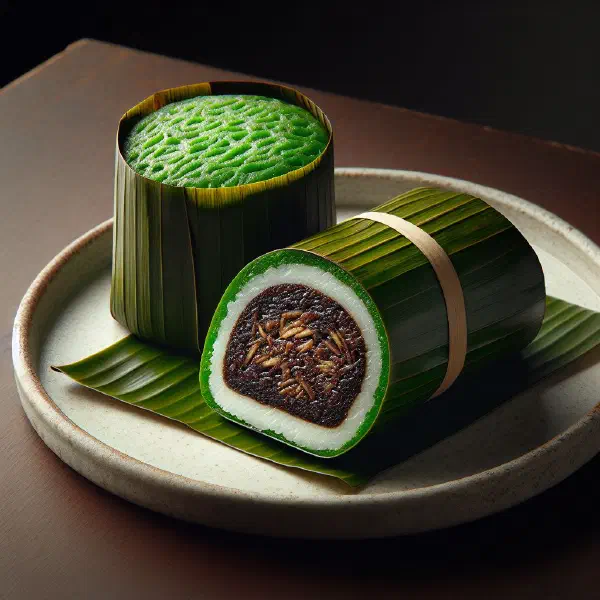
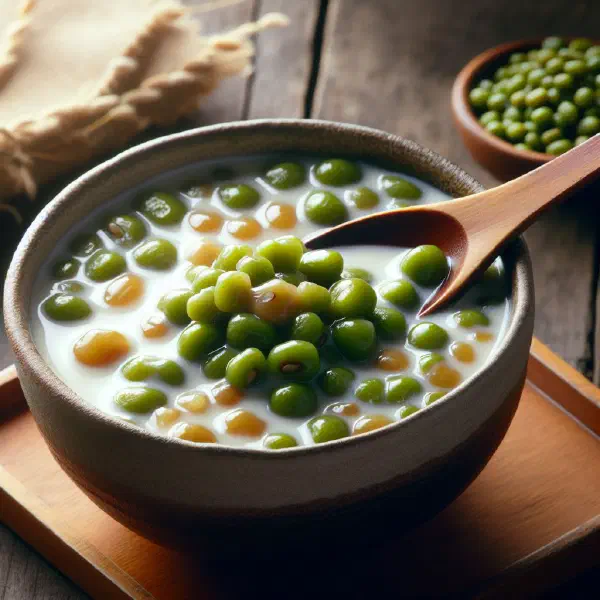
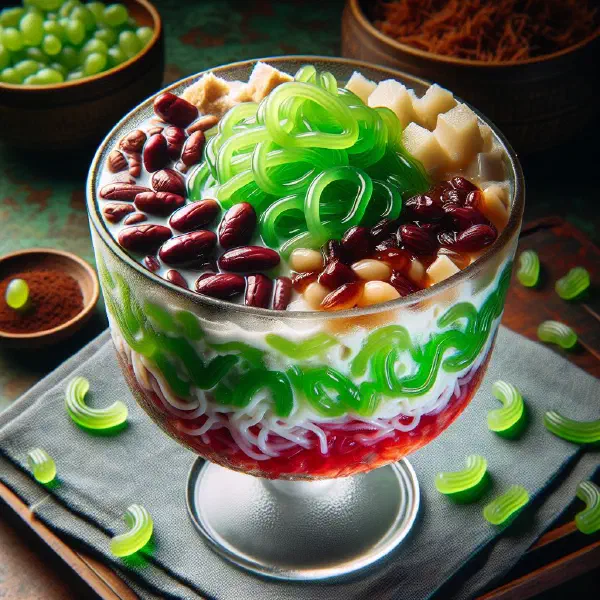
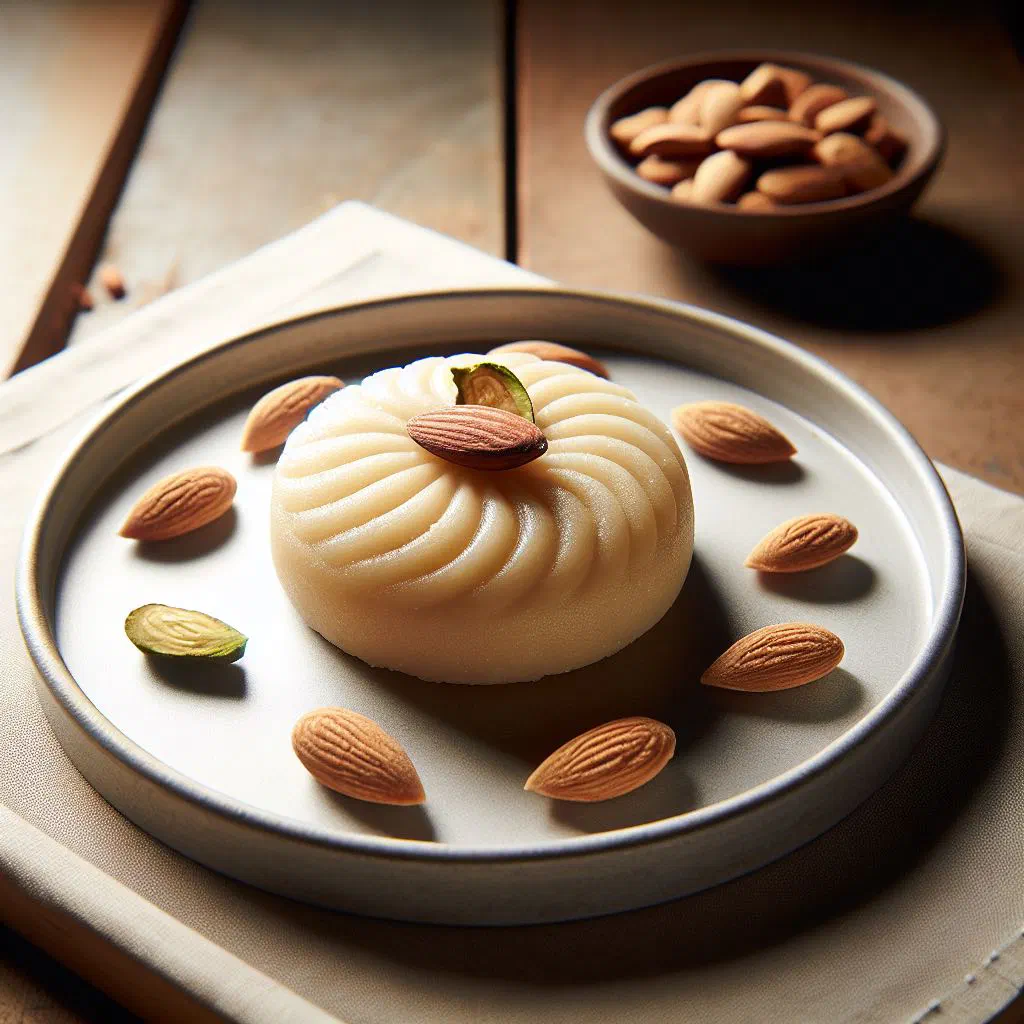
Discover Peda, a beguiling little sweet from Malaysia that proves great desserts need only a handful of ingredients. Rice flour, creamy coconut milk and dark, caramel-like palm sugar come together in soft steamed morsels that are sweet with just a whisper of earthiness. These treats bring a taste of Malaysian celebration straight to your kitchen.
About Peda
Peda is a traditional sweet dish with its origins in Malaysia. It is an appealing confection built on a simple base of rice flour, coconut milk and palm sugar. This combination creates a distinctive flavour that is both sweet and gently earthy. Peda is often served as a snack or dessert and is especially popular at celebrations and festive occasions, much like other beloved treats of Malaysian cuisine such as Pisang Goreng.
Ingredients (serves 1-2)
- 150 g rice flour
- 100 ml coconut milk
- 100 g palm sugar
- 1 pinch of salt
- 2 teaspoons water
Shopping for the ingredients
When shopping for peda, it pays to choose fresh, good-quality products. Rice flour is available in many supermarkets and is easy to find in Asian grocery shops. Coconut milk comes tinned or as a fresh version from the chiller cabinet. Look for pure palm sugar without additives to guarantee the authentic flavour.
Preparing the dish
The preparation for peda is straightforward and quickly done. First, have the necessary equipment to hand, including a mixing bowl for combining the ingredients and a steamer or an ordinary saucepan for cooking the sweets. It helps to plan your steps in advance so the whole process runs smoothly. Make sure all the ingredients are measured out and ready before you begin.
Step-by-step instructions
- Combine the rice flour, coconut milk, palm sugar and salt thoroughly in a bowl.
- Add up to 2 teaspoons of water as needed to work the mixture into a smooth paste.
- Shape the mixture into small portions roughly 2-3 cm thick.
- Place the portions in a steamer basket and steam for about 30 minutes.
- Once steamed, allow the peda to cool before serving.
Gluten-free / lactose-free version
Peda is easy to make gluten-free and lactose-free. Use certified gluten-free rice flour, which is stocked by many health food shops and supermarkets. As coconut milk is naturally free of lactose, there is no need to worry about your choice of milk. That way, even guests with dietary restrictions can enjoy this delicious sweet.
Tips for vegans and vegetarians
Peda is naturally vegan and vegetarian, as it contains no animal products at all. When buying palm sugar, however, do check that it has been produced sustainably. Many brands now offer organic alternatives that are kinder to the environment while preserving the sweet’s unmistakable flavour. That means you can indulge with a completely clear conscience.
More tips and tricks
To get the most out of peda, garnish the sweets with desiccated coconut or a pinch of cinnamon. This makes the dish look pretty and adds an extra layer of flavour. Experiment with the amount of sugar to find your personal level of sweetness. Everyone’s palate is different, and it matters that your peda tastes exactly right to you.
Adapting the recipe to your taste
The peda recipe is easy to adapt to personal preference. If you enjoy a fruity note, fold in puréed or diced fruit such as mango or banana. For a nutty texture, stir in chopped nuts like almonds or cashews. This dish is wonderfully versatile and invites you to be creative and try out new combinations.
Ingredient substitutions
If you have no palm sugar to hand, you can replace it with brown sugar or coconut sugar. Both are excellent alternatives with a similar sweetness that will not compromise the taste of your peda. The coconut milk can likewise be swapped for almond milk or another plant-based milk, though bear in mind the flavour will vary slightly. Experiment to discover what you like best.
Drink pairing ideas
Several drinks pair beautifully with peda. A tropical fruit juice such as pineapple or mango complements the dish wonderfully and brings out its aromas. A fresh coconut drink is another refreshing choice that underlines the sweet notes, as is a glass of frothy Teh Tarik, Malaysia’s famous pulled tea. If you fancy something alcoholic, try a light white wine or a tropical cocktail to heighten the sense of occasion.
Serving and presentation ideas
Presentation can make all the difference to the first impression of peda. Serve the sweets on a decorative platter and garnish them with fresh mint leaves or desiccated coconut. You can also arrange the dish prettily in small baskets to create a festive look. An appealing presentation will pleasure your guests and make the whole experience even more memorable.
A bit of history
Peda has a long tradition in Malaysian cooking and is often served at celebrations and special occasions. Originally prepared by local communities, the dish has spread across various regions of Asia over time. The pairing of coconut and sugar is typical of many Asian sweets, and peda is no exception. It symbolises friendship and family bonds, and is a treat made to be shared.
More recipe ideas
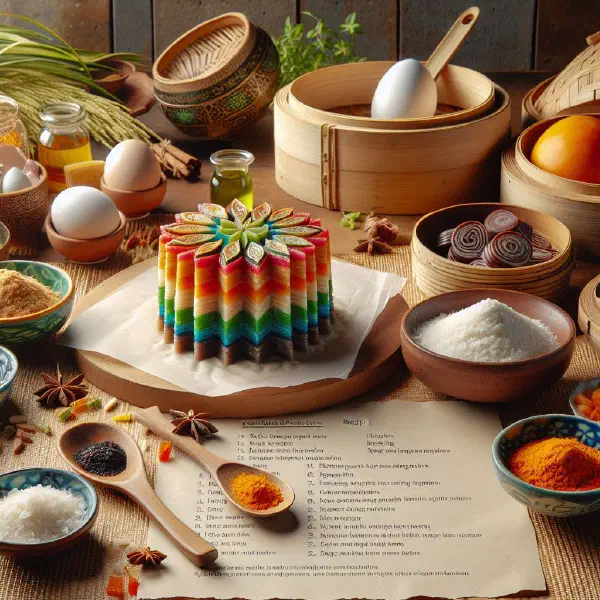
- Kuih Lapis — layered rice cakes in delicate rainbow tiers
- Pulut Hitam — black glutinous rice pudding with coconut milk
- Pengat Pisang — bananas simmered in sweet coconut sauce
- Kuih Ketayap — pandan crêpes with a coconut and palm sugar filling
- Sago Gula Melaka — sago pearls drenched in palm sugar syrup
Summary: Peda
To sum up, peda is a delicate and simple dish that captures the essence of Malaysian cooking. With just a handful of ingredients you can create a delicious sweet that not only tastes wonderful but looks impressive too. Whether for a special occasion or simply as an everyday indulgence, peda is an excellent choice. Give your creativity free rein and enjoy the versatility of this traditional treat.