National Dish Malaysia: Popiah Basah (Recipe)
In this article
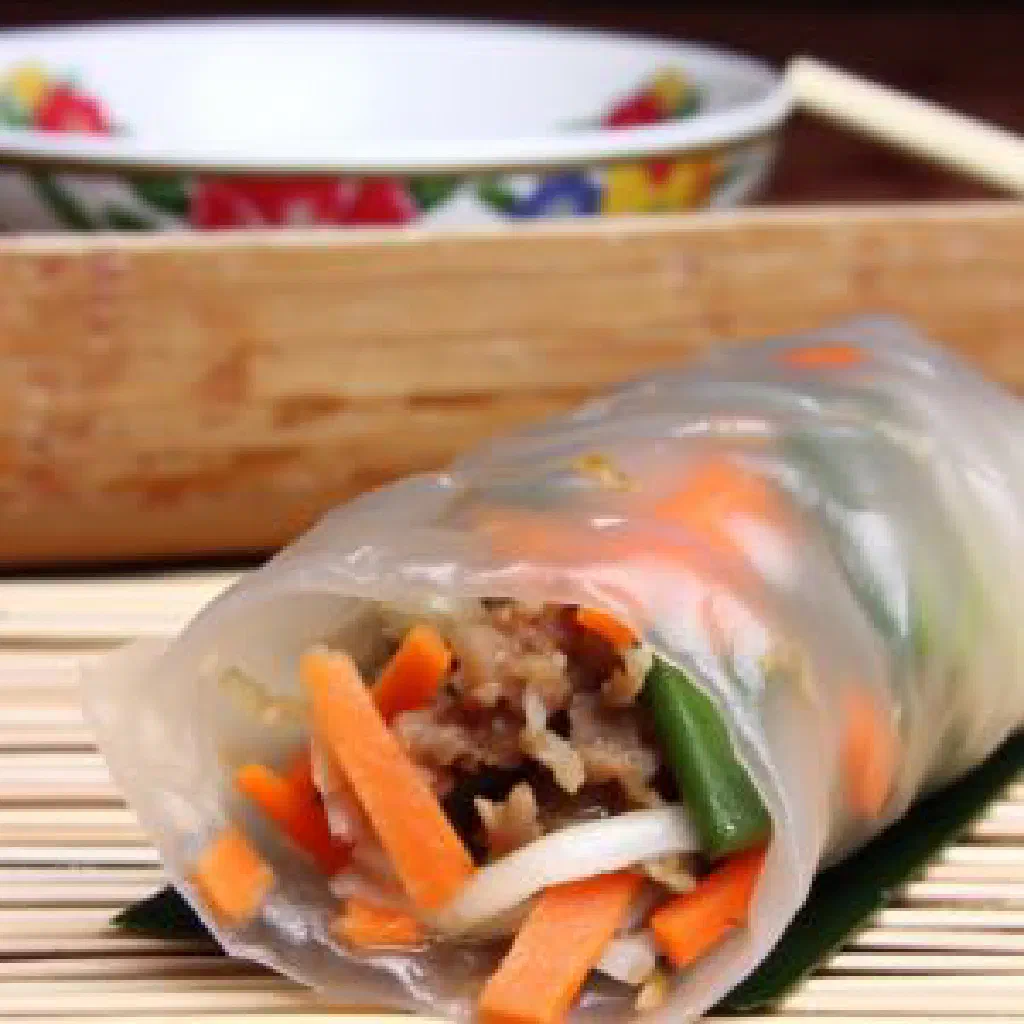
Meet Popiah Basah, Malaysia’s answer to the fresh spring roll, delicate rice paper parcels packed with crisp vegetables, golden tofu and fragrant herbs. Light enough for a snack yet satisfying enough for a main meal, these rolls are naturally plant-based and endlessly adaptable, whether you eat gluten-free, dairy-free or simply love bright, healthy food. Roll up your sleeves and bring a taste of Malaysia to your table.
About Popiah Basah
Popiah Basah is a much-loved dish in Malaysia, famous for its fresh, tender spring rolls. These delicious parcels are a treat for the palate and offer a wholesome mix of fresh ingredients. Alongside vegetables, they often contain tofu and a variety of aromatic herbs that provide flavour and fragrance. It is a dish that can be enjoyed either as a snack or as a main meal, which gives it a special place in Malaysian cooking.
Ingredients (serves 1–2)
- 5–6 rice paper sheets
- 1 cup finely chopped vegetables (carrots, cucumber, cabbage)
- 100 g tofu, diced and fried
- 2 spring onions, chopped
- Fresh herbs (mint, coriander)
- 2 tablespoons peanut butter or chilli sauce
- Salt and pepper to taste
Shopping for the ingredients
When making popiah basah, it is important to choose the freshest ingredients you can find. Vegetables such as carrots and cucumber should be crisp and free of blemishes. Tofu is available in most Asian grocers and organic supermarkets. Be sure to pick up fresh herbs too, as they lend the dish an extra touch of freshness.
Preparing the dish
Good preparation of the ingredients is essential to make popiah basah at its best. Wash the vegetables and cut them into fine pieces to improve the texture and mouthfeel. The tofu should be rinsed, diced and lightly fried beforehand so it can absorb the flavours fully. It is also wise to prepare the herbs and spring onions fresh, so they are ready to use just before rolling the spring rolls.
Step-by-step instructions
- Soak the rice paper sheets in warm water until they turn soft.
- Lay them out on a clean, flat surface ready for filling.
- Spread the vegetables, tofu, spring onions and herbs evenly over the sheets.
- Add a little peanut butter or chilli sauce on top.
- Fold in the sides of the rice paper, then carefully roll up the filling.
- Arrange the finished popiah basah on a plate and serve with sauce as you like.
Gluten-free / lactose-free version
For a gluten-free version of popiah basah, use gluten-free rice paper, which is available in some specialist organic shops. Make sure the sauces you use are gluten-free as well, such as specifically labelled peanut butter or chilli sauce. The rest of the preparation stays exactly the same. For a lactose-free version, pay attention to the filling and choose products without any dairy.
Tips for vegans and vegetarians
Popiah basah is ideal for vegans, as the dish is already plant-based. Just make sure the sauces are vegan too, since some brands can contain animal products. Various plant proteins or even pulses make a good alternative to tofu and boost the nutritional value. If you leave out eggs, the rolls can be made entirely without animal products, an excellent choice for vegetarians and vegans alike.
More tips and tricks
A few tips and tricks can make preparing popiah basah easier. For instance, rolling the sheets is simpler if you soak them for just two to three seconds in water, so they do not become too soft. Experiment with different fillings to achieve a variety of flavours and textures. Another interesting option is to add fresh fruit for extra sweetness and a burst of freshness. Presentation matters too; the more appealing the dish looks, the more appealing it is to try.
Adapting the recipe to your taste
The basic method for popiah basah leaves plenty of room for adaptation. Depending on your preferences, you can use different vegetables or protein sources. If you like it hot, add extra spices or more chilli sauce, fans of fiery flavours might also enjoy a dab of Sambal Belacan on the side. If someone in your family has particular allergies, the ingredients are easy to modify so everyone can enjoy the dish without losing its essential character. Feel free to get creative.
Ingredient substitutions
If you do not have every ingredient at home, there are plenty of alternatives. Tofu can be replaced with tempeh, as in the classic Tahu Tempe, or with sautéed mushrooms for a deeper umami note. The choice of vegetables can be adjusted freely too, whether radishes, spinach or beetroot. Those after a sweeter version could fold pineapple or mango into the filling. Small variations like these bring a whole new flavour experience to the familiar spring roll.
Drink pairing ideas
Various drinks pair well with popiah basah and complement the meal. A refreshing jasmine tea is an excellent choice to round off the flavours without overpowering the dish. For something with fizz, homemade lemonade or fresh juices are ideal. Malaysia’s beloved pulled milk tea, Teh Tarik, makes a wonderfully local companion, and a non-alcoholic Chardonnay can also underline the flavours nicely. In general, fruity drinks that support the freshness of the dish work very well.
Serving and presentation ideas
The presentation of popiah basah can be decisive for the whole experience. Serve the spring rolls on an elegant platter, attractively rolled or sliced so the colourful filling is visible. A fresh leaf salad in the centre rounds off the picture, while small bowls of different sauces stand ready for dipping. Edible flowers or fresh herbs also make a lovely garnish and add an extra splash of colour.
A bit of history
Popiah has a long history that reaches back to Chinese cooking. The dish originally comes from Fujian province before spreading to various parts of Southeast Asia. In Malaysia, however, it evolved into a unique variant combined with local ingredients and styles, the fried version, simply called Popiah, is equally popular. In many families popiah has become a traditional festive dish, often prepared together in good company, and it reflects the variety and richness of Malaysian cuisine.
More recipe ideas
Summary: Popiah Basah
Popiah Basah is a delicious example of the variety and richness of Malaysian cooking. These fresh spring rolls offer a harmonious blend of vegetables, tofu and herbs, and can be enjoyed as a snack or as a main course. With the right preparation and creative variations on the ingredients, they are easy to adapt to personal tastes and needs. Give this dish a try and enjoy the flavours of Malaysia in your own home.