National Dish Malaysia: Popiah (Recipe)
In this article
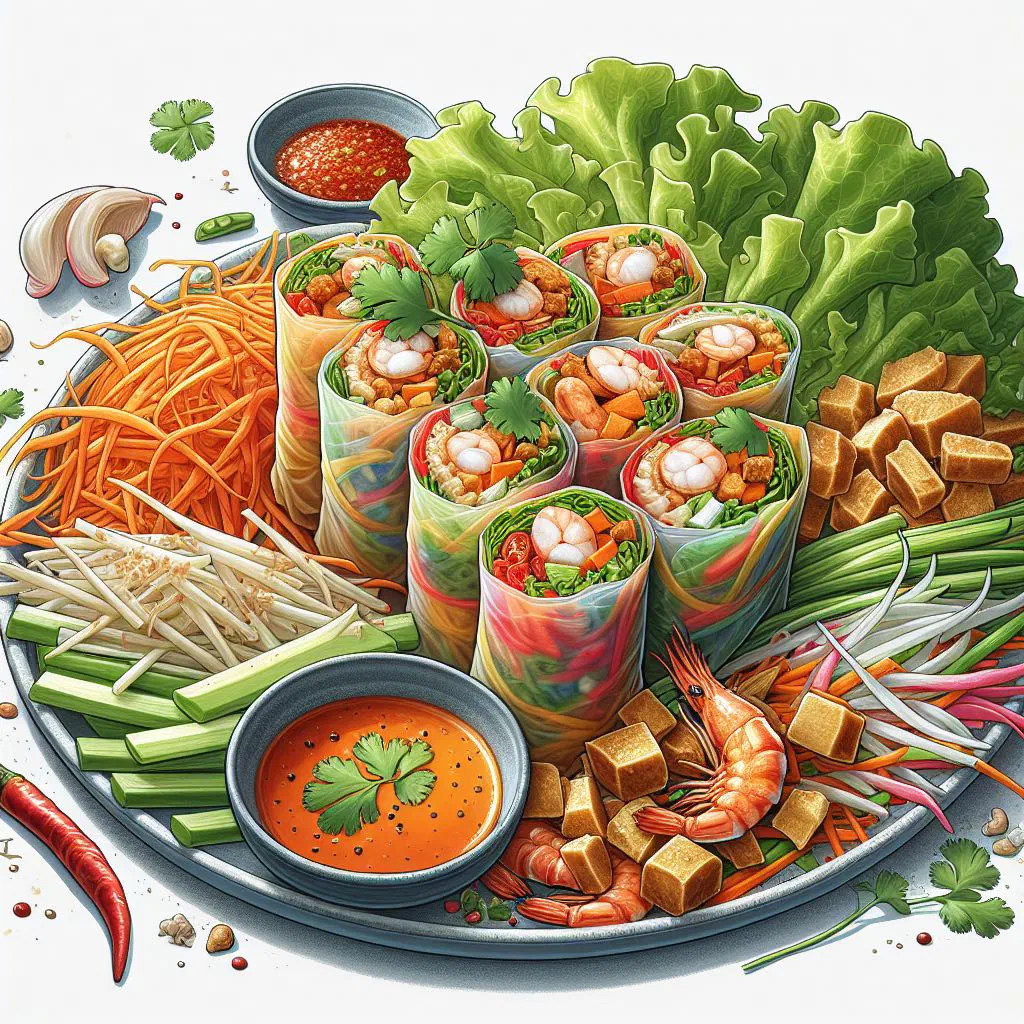
Discover Popiah, Malaysia’s beloved fresh spring roll. These delicate rolls wrap crisp vegetables, egg and, if you fancy, meat or prawns in a soft, paper-thin skin, making a light yet deeply satisfying bite. This recipe brings a true taste of Malaysian street food into your own kitchen.
About Popiah
Popiah is a traditional Malaysian dish often described as a fresh spring roll. These delicious rolls are wonderfully versatile, offering a wide choice of fillings ranging from vegetables and egg to meat or prawns. They are usually made with a thin wrapper that is light and pleasantly crisp. Popiah are healthy and perfect for impressing guests, or simply for enjoying all by yourself.
Ingredients (serves 1–2)
- 5–6 large popiah wrappers (spring roll skins)
- 1 cup finely chopped vegetables (e.g. carrots, cabbage, bean sprouts)
- 1–2 eggs, lightly beaten
- Optional filling: cooked meat or prawns
- 2 tablespoons soy sauce
- 1 tablespoon peanut oil
- Fresh coriander, to garnish
- Chilli sauce, to taste
Shopping for the ingredients
Head to an Asian market to find traditional popiah wrappers, which are often sold in the chilled section. Take care to choose fresh vegetables for the best flavour and an ideal texture. Opting for good-quality meat or fresh prawns also goes a long way towards making your popiah especially delicious.
Preparing the dish
Before you start assembling the popiah, it is important to prepare all the ingredients. The vegetables should be washed well and chopped thoroughly so their flavours can shine. If you are adding eggs or meat, cook or fry them in advance. Having everything laid out beforehand makes the assembly much smoother and ensures you do not miss any important steps.
Step-by-step instructions
- Fry the eggs in a pan over medium heat, then cut them into small pieces.
- Sauté the vegetables in the same pan for a few minutes until slightly softened.
- Add the cooked meat or prawns, if using, and continue frying everything together.
- Briefly soak the popiah wrappers in hot water to soften them.
- Lay the wrappers out on a plate and spoon a suitable amount of filling onto each.
- Fold the sides of the wrapper over the filling, then roll it up.
- Serve with soy sauce and chilli sauce, garnished with fresh coriander.
Gluten-free / lactose-free version
For a gluten-free version, use rice wrappers instead of wheat-based ones. They are available in Asian food shops and offer a similar consistency. To make a lactose-free variation, simply use plant oils instead of butter and take care to choose lactose-free products. Although the texture may vary slightly, the popiah will taste every bit as delicious.
Tips for vegans and vegetarians
Popiah can easily be adapted for vegans and vegetarians. Replace the egg with tofu or another plant-based egg alternative to keep the protein content up. Use a colourful mix of vegetables such as peppers, courgette or mushrooms for extra flavour. A tasty peanut or tahini sauce adds a further layer of richness and a lovely creamy texture.
More tips and tricks
To make the perfect popiah, avoid soaking the wrappers for too long so they do not turn soggy. A quick dip in hot water is usually enough to soften them. Experiment with different fillings to tailor the recipe to your own taste. And do not forget to serve your popiah with a flavourful sauce to round off the dish.
Adapting the recipe to your taste
Adjust the fillings of your popiah entirely to your liking. If you enjoy a bit of heat, add fresh chillies or a fiery sauce, perhaps a spoonful of homemade Sambal Belacan. For a fruity note, try adding diced pineapple or mango.
Ingredient substitutions
If you cannot find popiah wrappers, special rice paper wrappers make an excellent alternative. They are stocked in many Asian supermarkets and work brilliantly for similar dishes. Your choice of sauces can also transform your popiah considerably. Experiment with teriyaki, hoisin or a light soy sauce to create your own signature version.
Drink pairing ideas
Pairing popiah with the right drink can lift the whole dining experience. A refreshing iced tea with lemon is an excellent choice that highlights the freshness of the fillings while cleansing the palate. A light coconut drink also goes wonderfully with this dish and rounds off its Asian character, as does a glass of frothy Teh Tarik, Malaysia’s famous pulled tea. For a simple non-alcoholic option, sparkling water with lime is another pleasant refresher.
Serving and presentation ideas
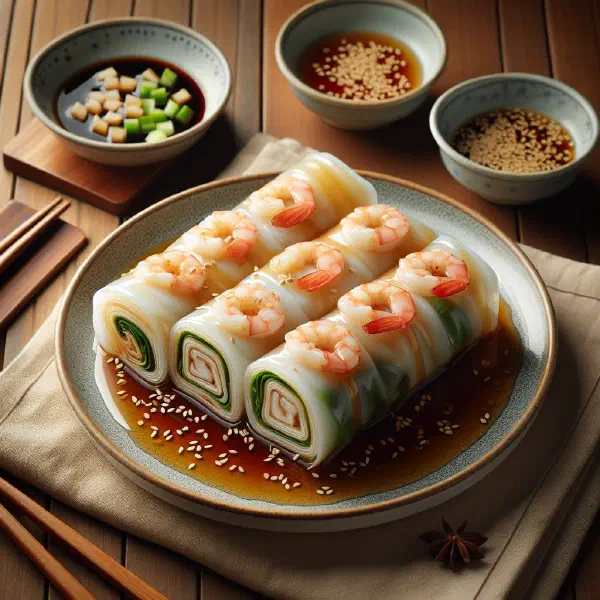
We eat with our eyes first, so the presentation of your popiah matters. Serve the rolls on an attractive plate and garnish them with fresh herbs or a colourful sauce. You can also slice the popiah diagonally to reveal the fillings, which makes the dish look even more inviting. Remember to arrange the sauces neatly in small bowls alongside, so guests can help themselves with ease.
A bit of history
The history of popiah stretches back a long way and has evolved across various Asian cultures over the years. Originally from China, the dish was adapted by Malaysian cooks over time and given a character all of its own. Despite its simple make-up, it carries great cultural significance and is often served at festivals and celebrations. Today popiah is popular not only in Malaysia but in other countries too, and counts as true comfort food within Malaysian cuisine.
More recipe ideas
Summary: Popiah
Popiah are a delicious and versatile dish that suits any occasion. Whether as a snack or a starter, these fresh spring rolls offer a harmonious combination of flavours and textures. With the right preparation and your own personal touches, you can shape this dish entirely to your individual taste. Experiment with different fillings and enjoy the good variety of Malaysian cooking.