National Dish Malaysia: Roti Jala (Recipe)
In this article
Discover Roti Jala, Malaysia’s beautiful “net bread”. These delicate, lacy pancakes are as much a feast for the eyes as for the palate, their fine golden webs made for soaking up rich, spicy curries. Light, airy and surprisingly simple to make at home, roti jala turns any curry night into something special. No wonder it is a fixture at Malaysian celebrations.
About Roti Jala
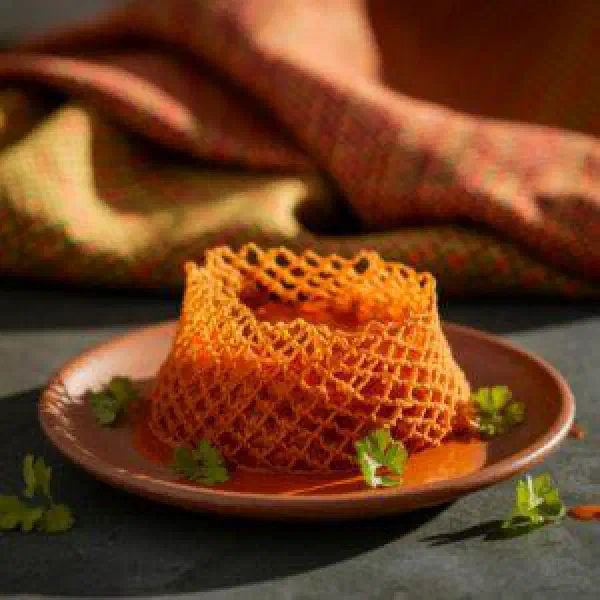
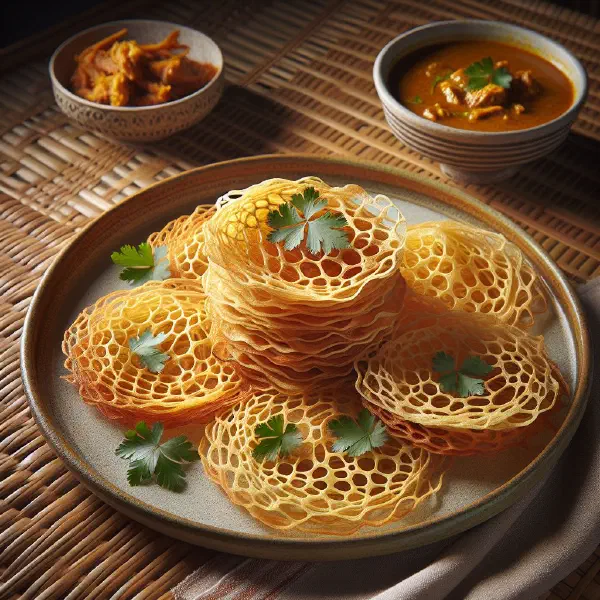
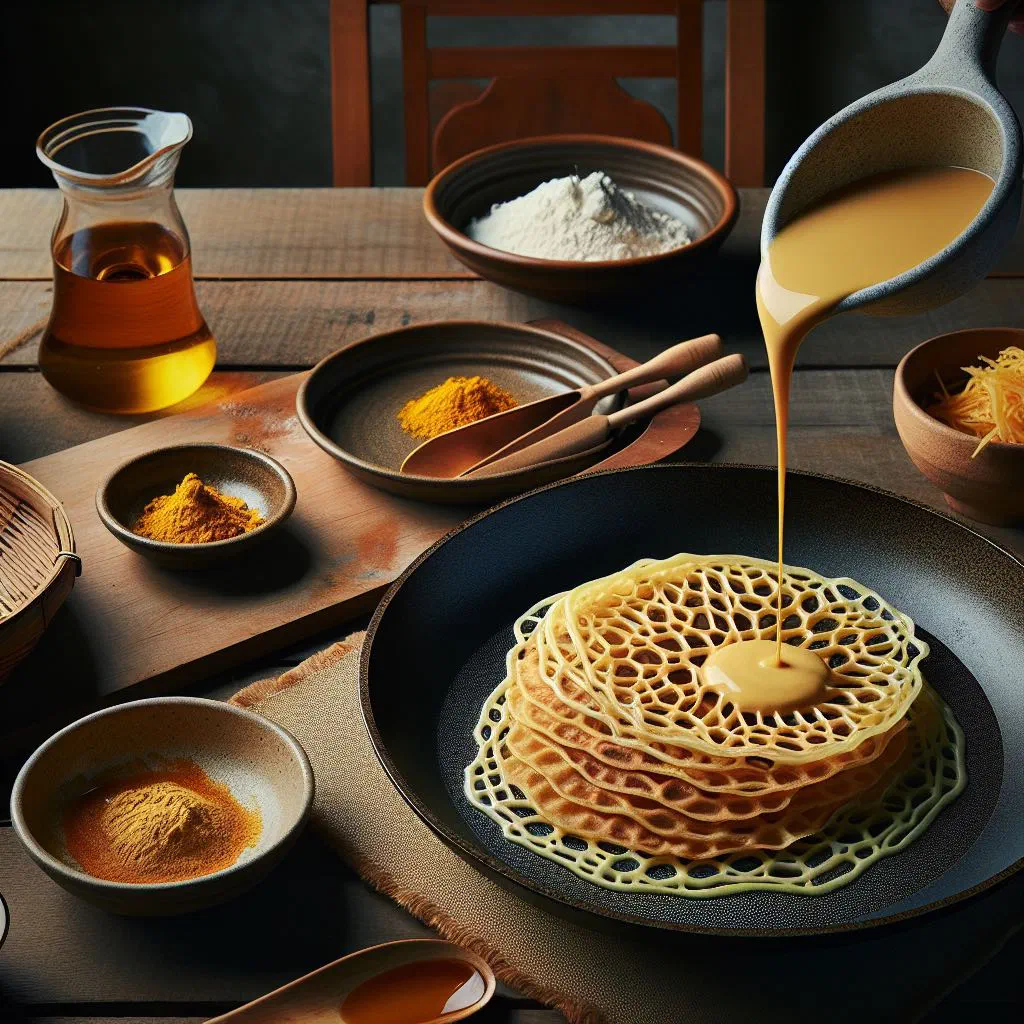
Roti Jala, also known as “net bread”, is a much-loved Malaysian dish made from a special batter that is cooked in a unique lattice shape. This extraordinary net pancake is not only a culinary treat but a visual highlight on any plate. Traditionally, roti jala is served alongside spicy curries such as Kari Ayam, whose sauce is caught perfectly in the fine holes of the bread. The preparation calls for no special cooking skills, so anyone can make it with ease.
Ingredients (serves 1–2)
- 250 g wheat flour
- 1 large egg
- 400 ml water
- 1 tsp ground turmeric (for the colour)
- A pinch of salt
- Oil, for frying
Shopping for the ingredients
With roti jala it pays to look closely at the quality of each component. Fresh wheat flour is crucial for the texture and flavour of the bread. The egg should be fresh too, to get the best results. Turmeric matters for the signature golden colour and for its health benefits.
Preparing the dish
To make roti jala, start by setting out and measuring all your ingredients. It helps to use a dedicated roti jala mould or a squeeze bottle to distribute the batter evenly across the pan. Prepare the pan by oiling it lightly and heating it before you begin cooking. One important step is to combine the flour and the other ingredients thoroughly, so you end up with a smooth, homogeneous batter.
Step-by-step instructions
- Mix the flour, water, the egg, turmeric and the salt in a bowl until you have a smooth batter.
- Pour the batter into a squeeze bottle, or use a piping bottle, so it is easy to dispense.
- Heat a non-stick pan over medium heat and oil it lightly.
- Drizzle the batter into the pan in spiral movements to create the characteristic net pattern.
- Cook the roti for about 1–2 minutes until the underside is golden brown, then flip it for a further minute.
- Repeat with the remaining batter and stack the finished roti on a plate.
Gluten-free / lactose-free version
To make roti jala gluten-free, you can replace the wheat flour with a blend of rice flour and cornflour. This combination gives a similar texture and avoids gluten-based thickening. For a lactose-free version, simply use water or plant-based milk instead of whole milk and choose a recipe that contains no other lactose-based ingredients. Bear in mind that the preparation may call for slightly different proportions or temperatures to achieve the best result.
Tips for vegans and vegetarians
Vegan versions of roti jala are just as easy to make. Replace the egg with a mixture of water and chia seeds, or with a shop-bought egg replacer. These alternatives bind the batter well and give the desired consistency. Since the base recipe is already close to plant-based, most people can simply swap out the animal products for vegan options without giving up any of the delicious flavour. You can also enrich the batter with spices or herbs for even more depth.
More tips and tricks
If you want to perfect the texture and flavour of roti jala, experiment with different types of flour. Depending on your preference, wholemeal flour for instance lends the dish a pleasantly nutty note. Take care not to make the batter too thick, or you will lose the characteristic net structure. Add a little more water if needed to reach the right consistency and make the cooking easier.
Adapting the recipe to your taste
One of the great things about roti jala is the flexibility of the recipe. You can work various herbs and spices into the batter to give it a personal touch. You can also build on the net bread with ingredients such as chopped onions or chilli for extra flavour and heat.
Ingredient substitutions
If you are missing certain ingredients for roti jala, there are several alternatives worth considering. Wheat flour can be replaced with oat flour, for example, which brings a slightly different taste and texture. For a gluten-free option you can also turn to coconut flour or other gluten-free flour varieties. If you have no turmeric to hand, choose another natural colouring instead, such as beetroot powder.
Drink pairing ideas
A range of drinks pairs beautifully with a delicious plate of roti jala. Typical in Malaysia is Teh Tarik, a sweet, frothy pulled tea that perfectly complements the spicy aromas of the accompanying curries. Coconut water is refreshing too and harmonises well with the flavours of the dish. For an alcoholic option, a light, fruity beer or a dry white wine rounds off the meal nicely.
Serving and presentation ideas
Presentation can greatly enhance the enjoyment of roti jala. Stack or roll the pancakes and garnish them with fresh herbs such as coriander or parsley. An appealing sauce or dip, such as tamarind or chilli sauce, can be served in a small bowl alongside, making the whole plate look inviting. You can also arrange the dish with colourful vegetables to boost the visual impact.
A bit of history
Roti jala has its origins in Malaysia and belongs to both Malay and Indian culinary traditions. This traditional dish is often served at festive occasions and has grown into a popular everyday snack. Its unique cooking technique is rooted in local culture, and the dish is cherished by the Malay and Indian communities alike. The name “net bread” reflects the artful preparation that makes eating it such a rich experience, a lovely window into Malaysian cuisine.
More recipe ideas
Summary: Roti Jala
In summary, roti jala is not only an easy dish to prepare but one that charms with its unique shape and texture. It is a versatile side that goes wonderfully with all kinds of curries and wins people over with its colour and pattern. The many ways to adapt the recipe mean everyone can make it their own. Whether as a traditional dish or in a modern variation, roti jala is always a pleasure.