National Dish Malaysia: Roti Tissue (Recipe)

In this article
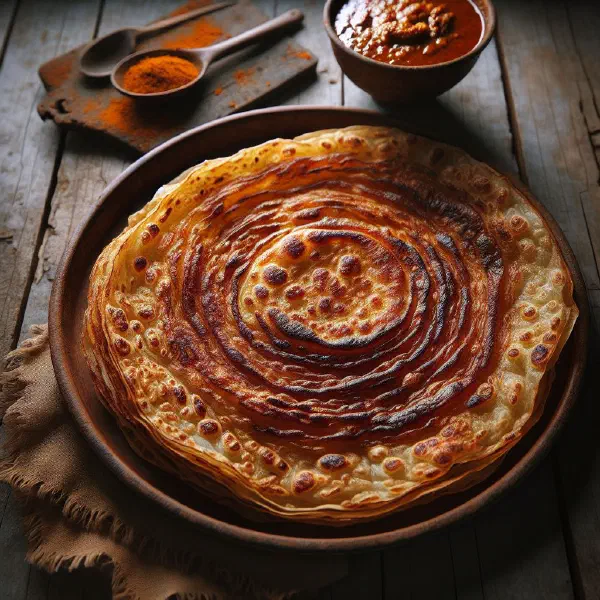
Discover Roti Tissue, Malaysia’s showstopper of a flatbread. Paper-thin, shatteringly crisp and folded into a dramatic golden spiral, this street-stall favourite is as much fun to look at as it is to eat. Drizzle it with condensed milk for a sweet treat or pair it with a fragrant curry for something savoury, one simple dough, endless possibilities.
About Roti Tissue
Roti Tissue is a traditional Malaysian dish, instantly recognisable for its wafer-thin and crispy texture. This remarkable bread is often served as spiralling layers that turn a glorious golden brown as they cook. Roti Tissue is frequently paired with sweet or savoury fillings, which makes it equally at home as a snack or a main course. Thanks to its wonderfully versatile preparation it is a firm favourite with food lovers, and you will find it on the menu of countless local restaurants and street stalls.
Ingredients (serves 1–2)
- 250 g plain wheat flour
- 1 teaspoon salt
- 150 ml warm water
- 2 tablespoons oil (e.g. sunflower or peanut oil)
- 1 teaspoon sugar (optional)
- Butter or margarine, for brushing
- Sugar or condensed milk for the sweet version (to taste)
- Savoury fillings of your choice (e.g. lamb, chicken, vegetables)
Shopping for the ingredients
The ingredients for roti tissue are easy to find in most supermarkets or Asian grocery shops. The wheat flour is the main ingredient and forms the base of this delicious dish. Make a point of buying fresh ingredients, particularly the oil and the fillings, to get the best possible flavour. If you have special dietary requirements, such as gluten-free or vegan alternatives, there are also speciality flours you can use instead.
Preparing the dish
Before you start making roti tissue, it is important to have all the ingredients laid out and prepared where necessary. If you plan to use a savoury filling, make it in advance so it is ready by the time the bread hits the pan. Mix and knead the dough thoroughly so the flour can develop its full elasticity. Once kneaded, let the dough rest for around 30 minutes. It will be far easier to roll out afterwards.
Step-by-step instructions
- In a large bowl, combine the flour, salt, sugar and water and knead to a smooth dough.
- Place the dough in a bowl, cover with a cloth and leave to rest for about 30 minutes.
- Roll the dough out thinly on a floured surface and brush it with oil.
- Draw the edges of the dough towards the centre to create the characteristic spiral shape.
- Heat a frying pan and cook the roti on both sides until golden brown.
- Serve as you like, with sugar, condensed milk or savoury fillings.
Gluten-free / lactose-free version
For a gluten-free take on roti tissue you can use gluten-free flour, which is stocked in many supermarkets. Do check that the other ingredients are also gluten-free alternatives. If you want to cook lactose-free, replace the butter with lactose-free margarine or a plant-based oil. This small adjustment means people with special dietary needs can enjoy this delicious dish too.
Tips for vegans and vegetarians
For a vegan roti tissue, simply swap all animal products such as butter or milk for plant-based alternatives. Use a vegan-friendly oil and add delicious vegetable fillings to enrich the dish. A combination of spiced vegetables, tofu or vegan cheese offers a wonderful range of flavours. That way everyone gets to join in, whether vegan or vegetarian.
More tips and tricks
To make the perfect roti tissue, it is essential to knead the dough properly and never skip the resting time. This builds the elasticity of the dough and ensures it cooks evenly. Using ghee or butter for frying also lends the roti extra depth of flavour. Experiment with different fillings and serve the roti with chutneys or sauces for a fresh take on the flavour experience.
Adapting the recipe to your taste
The wonderful thing about roti tissue is its versatility. You can adapt the fillings entirely to your personal taste, savoury or sweet. Experiment with different herbs and spices to give the dish your own signature touch. The thickness of the dough can vary too, depending on whether you prefer it thin and crispy or slightly more substantial.
Ingredient substitutions
If you are looking for alternatives to certain ingredients, you can use apple cider vinegar in place of sugar or try different types of oil. When it comes to fillings, there are no limits to your creativity. Use up leftovers or even fresh fruit for the sweet version. Chicken or seafood also make a delicious choice for the savoury preparation, much like the fragrant fillings you will find in a good Kari Ayam. This keeps the dish fresh and varied every time.
Drink pairing ideas
A range of drinks pairs beautifully with roti tissue. A refreshing chai tea or Malaysia’s beloved frothy Teh Tarik makes a wonderful accompaniment, as does freshly pressed juice. Alternatively, serve a cool beer or a fruity cocktail to create a relaxed atmosphere. These combinations enrich the flavour experience and round the meal off perfectly.
Serving and presentation ideas
To present roti tissue attractively, arrange the bread artfully on a wooden board and garnish it with fresh herbs. A bowl of assorted dips and sauces invites everyone to taste and experiment. Combine the dish with colourful vegetable salads or small snacks to create an appealing, inviting meal. Pay attention to an attractive mix of colours that whets the appetite at first glance.
A bit of history
Roti tissue has its origins in Malaysia’s rich culinary tradition and was brought to the country by Indian immigrants. It is closely bound up with street-food culture and has established itself as a popular snack at countless restaurants and hawker stalls. Its preparation calls for special techniques handed down from generation to generation, and every region has its own variation. This blend of tradition and culture makes roti tissue a fascinating part of Malaysian cuisine.
More recipe ideas
- Roti Canai — another much-loved Malaysian bread speciality
- Roti Bom
- Roti Jala
- Roti John
- Pisang Goreng for a sweet fried treat
Summary: Roti Tissue
To sum up, roti tissue is a culinary experience that deserves a place in every kitchen. Whether as a snack or a main course, its versatility and unique flavour make it a must for any food lover. With different fillings and accompaniments you can shape the dish entirely to your own liking and enjoy it your way. Discover the world of Malaysian cooking and bring a piece of this gastronomic heritage straight into your own home.