National Dish Malaysia: Sambal Sotong (Recipe)
In this article
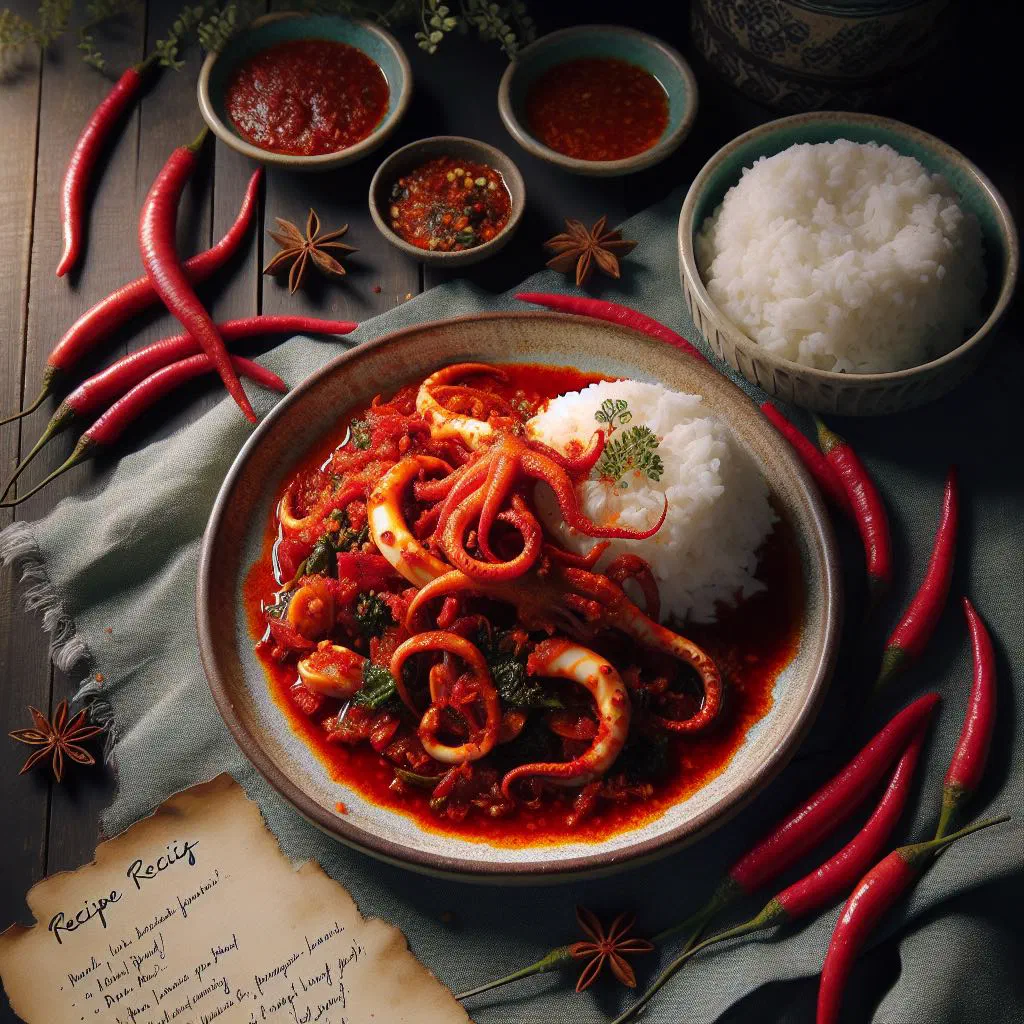
Discover Sambal Sotong, one of Malaysia’s most beloved seafood dishes. Quick to cook yet bold in flavour, it is best enjoyed heaped over steaming rice, bringing the bright tastes of a Malaysian kitchen straight to your table.
About Sambal Sotong
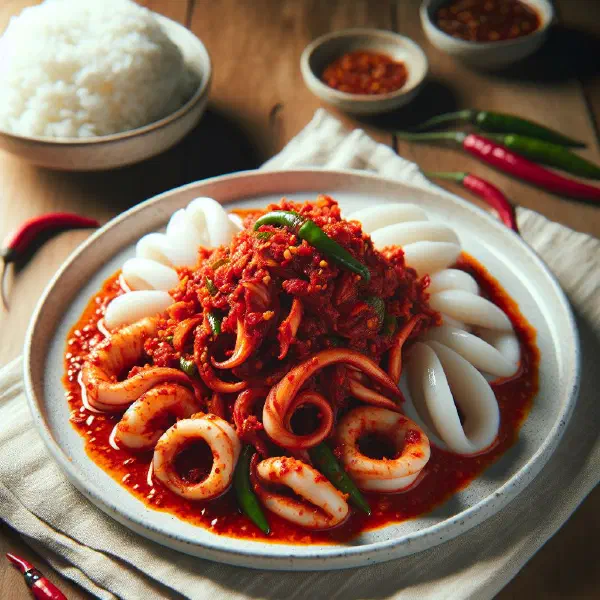
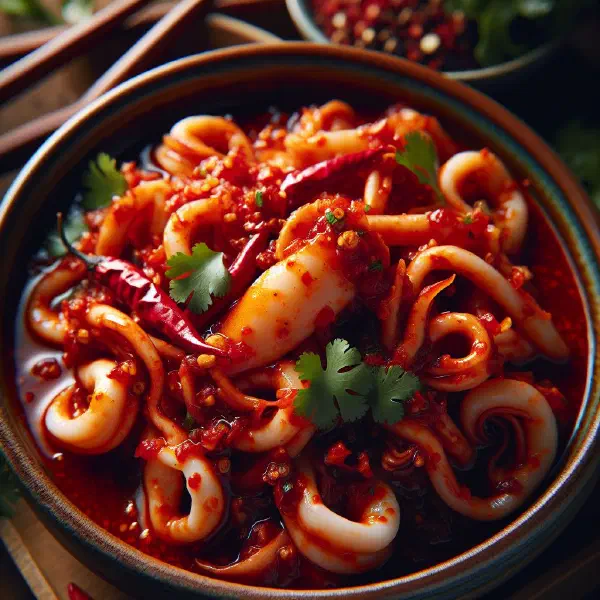
Sambal Sotong brings seafood and spices together in perfect harmony. The squid is cooked in a punchy sambal sauce made from fresh chillies, garlic and other aromatic ingredients. This dish is a prime example of how Malaysian cooking speaks to the senses and conveys a real feeling of home. It is usually served with steamed rice, which complements the flavours beautifully and turns the dish into a complete meal.
Ingredients (serves 1–2)
- 300 g fresh squid (sotong)
- 3–4 tablespoons sambal oelek or homemade sambal sauce
- 2 tablespoons vegetable oil
- 2 garlic cloves, finely chopped
- 1 onion, sliced into rings
- 1 teaspoon sugar
- 1 teaspoon lime juice
- Salt to taste
- Fresh coriander leaves, to garnish (optional)
Shopping for the ingredients
Making sambal sotong calls for a handful of basic ingredients that are easy to track down. Fresh squid is available from Asian grocers or fish markets, where quality and freshness are assured. Sambal oelek can also be found online or in well-stocked supermarkets. Be sure to choose fresh spices and ingredients to get the very best flavour.
Preparing the dish
Good preparation is key to getting the best out of sambal sotong. Start by cleaning the squid: remove the innards and the head, then slice it into rings or strips. In the meantime, you can prepare the sambal sauce by mixing all its components thoroughly. The cooking itself happens quickly, so keep everything within reach to speed the process along.
Step-by-step instructions
- Heat the vegetable oil in a pan over a medium heat.
- Add the onion rings and chopped garlic and fry until translucent.
- Add the prepared squid to the pan and fry for around 2–3 minutes.
- Stir in the sambal sauce, sugar, lime juice and salt, and mix everything well.
- Cook for a further 2–4 minutes, until the squid is tender.
- Serve the dish hot, garnished with fresh coriander leaves, and enjoy it with rice.
Gluten-free / lactose-free version
Sambal sotong is naturally gluten-free and lactose-free, which makes it a great choice for anyone with certain food intolerances. Do check, however, that the ingredients you use, such as the sambal sauce, are also free from gluten. Take care to avoid cross-contamination in the kitchen too, so no gluten-containing residues sneak in. This dish therefore fits perfectly into a gluten-free diet.
Tips for vegans and vegetarians
Although sambal sotong is traditionally made with squid, vegans and vegetarians can easily adapt the dish. In place of squid, mixed vegetables or tofu work well and provide a satisfying texture. These alternatives can be marinated and cooked in the sambal sauce in just the same way, keeping the flavours of the original intact. With these tweaks, sambal sotong quickly becomes a treat for vegans and vegetarians alike.
More tips and tricks
A few small tricks can noticeably improve both the cooking and the eating of sambal sotong. Use freshly ground spices to intensify the flavour and enrich the aroma of the dish. Experiment with different varieties of chilli to adjust the heat to your personal taste. And remember not to overcook the squid, cooking it too long makes it tough and chewy.
Adapting the recipe to your taste
One of the great things about sambal sotong is how flexible the recipe is. You can vary the heat by using more or less sambal, or add other spices such as turmeric for extra depth. You can also throw in seasonal vegetables to bring additional nutrients and colour to the dish. That keeps this recipe not only easy to adapt but endlessly interesting.
Ingredient substitutions
For several of the ingredients in sambal sotong there are excellent alternatives that are healthy at the same time. Instead of vegetable oil, you could use coconut oil for an extra layer of flavour. In place of lime juice, a squeeze of lemon juice harmonises just as well. And if you would like to make the sambal from scratch, consider other styles of chilli paste, a homemade Sambal Belacan gives the dish a wonderfully authentic edge.
Drink pairing ideas
The right drinks round off the experience of eating sambal sotong. A well-chilled Asian lager pairs superbly with the dish’s spicy flavours. Alternatively, serve iced tea or a ginger lemonade, both of which balance the heat beautifully, or try Malaysia’s famous pulled milk tea, Teh Tarik. Drinks like these enhance the flavours and turn the meal into a sociable occasion.
Serving and presentation ideas
An appealing presentation makes the dish all the more appealing. Serve sambal sotong in an attractive bowl and garnish it with fresh coriander leaves for a splash of colour. The fragrance of the freshly cooked dish can be lifted further with a little lime juice or some lime or lemon zest. Take care to arrange the rice neatly on the plate as well, for a harmonious and appetising result.
A bit of history
Sambal sotong has deep roots in Malaysian culture, where traditional recipes are handed down from generation to generation. The use of chilli and spices reflects both indigenous traditions and international influences on Malaysian cuisine. In many households, sambal sotong is a favourite dish, often enjoyed at festive occasions or convivial gatherings. This rich culinary history and diversity make it an important part of Malaysia’s national identity.
More recipe ideas
- Nasi Lemak — the classic coconut-milk rice dish.
- Rendang Daging — a spicy, slow-cooked beef stew.
- Satay — marinated, grilled meat skewers with peanut sauce.
- Sambal Udang — prawns simmered in a fiery sambal sauce.
- Popiah — Malaysian spring rolls with vegetables and assorted fillings.
Summary: Sambal Sotong
Sambal sotong is more than just a dish; it is an experience for all the senses. The combination of tender squid and a spicy sambal sauce makes it a culinary highlight of Malaysian cooking. It is delicious and wonderfully adaptable, so you can easily vary it to suit your own taste. Sambal sotong will win you over with its unmistakable flavour.