National Dish Malaysia: Serunding (Recipe)
In this article
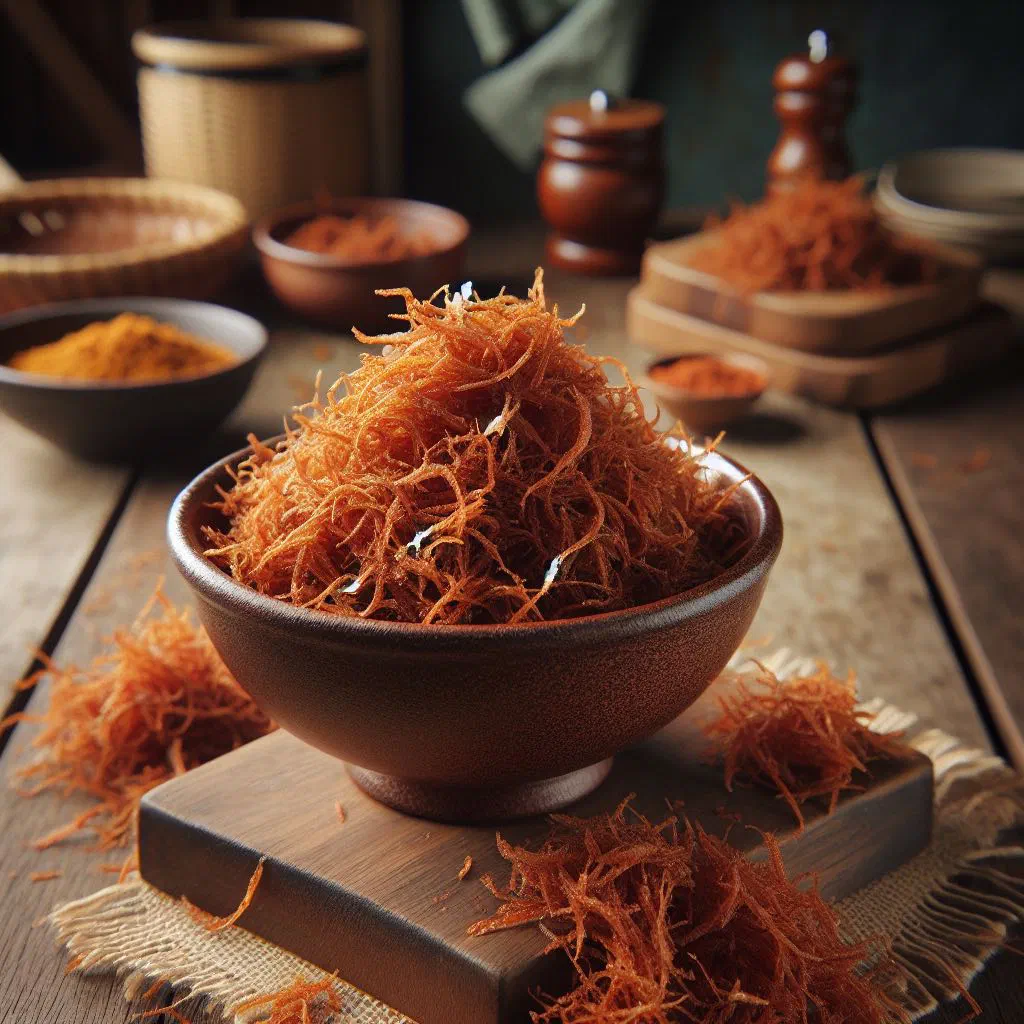
Discover Serunding, Malaysia’s wonderfully aromatic spiced meat floss. Slow-cooked beef or chicken is coaxed together with creamy coconut and warming spices until every strand is packed with flavour. Sprinkled over rice, tucked into festive dishes or nibbled straight from the bowl as a snack, it delivers a little taste of Malaysian culture in every bite.
About Serunding
Serunding is a traditional dish from Malaysia that embodies the aromas and diversity of Malaysian cuisine. This spicy, fragrant meat accompaniment is usually made from beef or chicken. During the slow cooking process the ingredients soak up the intense spices and the delicious flavour of coconut. Serunding is often served as a side with rice, but it also makes a satisfying snack, which is exactly what makes it perfect for any occasion.
Ingredients (serves 1–2)
- 300 g beef or chicken
- 1 onion, chopped
- 2–3 garlic cloves, chopped
- 2 tablespoons oil
- 1 teaspoon curry powder
- 200 ml coconut milk
- 1 teaspoon sugar
- Salt to taste
- Fresh herbs (e.g. coriander), to garnish
Shopping for the ingredients
When shopping for serunding, it pays to choose fresh ingredients. The meat in particular is crucial to the flavour of the dish; fresh always beats frozen. Visit local markets or a trusted butcher to find the best quality. The spices matter too, especially the curry powder, which should be of good quality to guarantee the full depth of flavour.
Preparing the dish
Thorough preparation of the ingredients is key to getting serunding just right. Chop the onion and garlic finely so their aromas come through properly during cooking. The meat should be cut into small pieces to ensure an even cooking time. Take your time over this stage, good preparation is the secret to a delicious result.
Step-by-step instructions
- Heat the oil in a large pan and sauté the onion and garlic until golden brown.
- Add the meat and brown it well on all sides.
- Stir in the curry powder and toast it briefly to release the aromas.
- Add the coconut milk, sugar and salt, and stir everything together well.
- Reduce the heat and let the dish simmer gently for about 1–1.5 hours, until the meat is tender.
- Stir occasionally so the mixture does not catch on the bottom of the pan.
- Garnish with fresh herbs before serving.
Gluten-free / lactose-free version
Serunding is easy to make gluten-free and lactose-free. Choose your spices carefully, as some processed blends may contain gluten. The coconut milk is naturally lactose-free, so no changes are needed there. Simply double-check that every ingredient you use is certified gluten-free, and the dish becomes a safe choice for guests with allergies or intolerances.
Tips for vegans and vegetarians
Although serunding is traditionally made with meat, it adapts easily to vegetarian and vegan diets. Simply replace the meat with tofu or tempeh, ideally marinated beforehand to intensify the flavour. Vegetables such as aubergine or courgette also make excellent alternatives. Just remember to check all the other ingredients to make sure they are vegan too.
More tips and tricks
To get the very best out of your serunding, try a few extra tips and tricks. Cook the dish a day ahead to deepen the flavour, the aromas develop beautifully overnight. If you like a bit more heat, add fresh chillies. Experiment with different herbs and spices to create your own signature version. These small adjustments can make a big difference.
Adapting the recipe to your taste
The versatility of serunding makes it easy to adjust the recipe to your own preferences. Prefer it milder? Simply cut back on the chilli or curry powder. For a richer version, add a little more coconut milk.
Ingredient substitutions
If you are missing specific ingredients for serunding, there are readily available alternatives. Instead of beef, you can use lamb or pork to achieve a different character, much like the slow-simmered meat in a hearty Gulai Daging. In place of curry powder, garam masala or a homemade spice blend works nicely. Substitutions like these can easily change the overall impression of the dish and open up new culinary experiences.
Drink pairing ideas
A range of drinks pairs harmoniously with the flavours of serunding. A cool lager can be a refreshing choice, while a sweet, aromatic tea, such as Malaysia’s frothy Teh Tarik, offers a wonderful contrast to the spicy notes. Unsweetened iced tea is another suitable companion for taking the edge off the heat.
Serving and presentation ideas
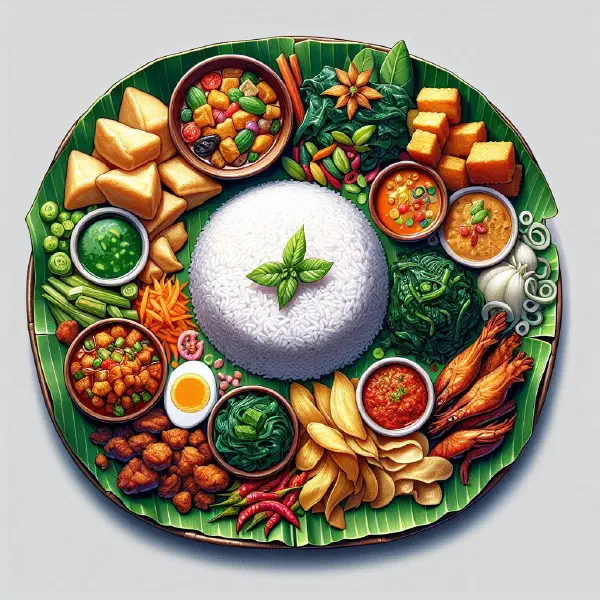
Presentation can significantly enhance the overall impression of serunding. Serve it in an attractive bowl and garnish with fresh herbs or toasted nuts for extra texture. Colourful rice, think of the bright blue rice in Nasi Kerabu, or a fresh salad alongside brightens up the plate considerably. Arrange the portions neatly and appealingly to impress your guests.
A bit of history
Serunding has a long history in Malaysian cooking. It originally developed as a method of preserving meat by cooking it down with coconut and spices. This technique extended the shelf life of the food without sacrificing any flavour. Today it is not only a favourite in Malaysia but has also caught on in other parts of Southeast Asia, taking pride of place at many festivals and celebrations.
More recipe ideas
- Nasi Lemak — the classic Malaysian coconut rice with an array of sides.
- Rendang Daging — another richly spiced meat dish that goes wonderfully with rice.
- Kerabu — a refreshing salad, often prepared with seafood.
- Satay — grilled meat skewers served with a delicious peanut sauce.
Summary: Serunding
In summary, serunding is an outstanding example of the variety and richness of Malaysian cooking. With its distinctive slow-cooked preparation and aromatic spices, it offers an incomparable flavour experience. Serunding brings the flavours of Malaysia straight to your table. Give this recipe a try and let Malaysian culture win you over.