National Dish Malaysia: Tau Fu Fah (Recipe)
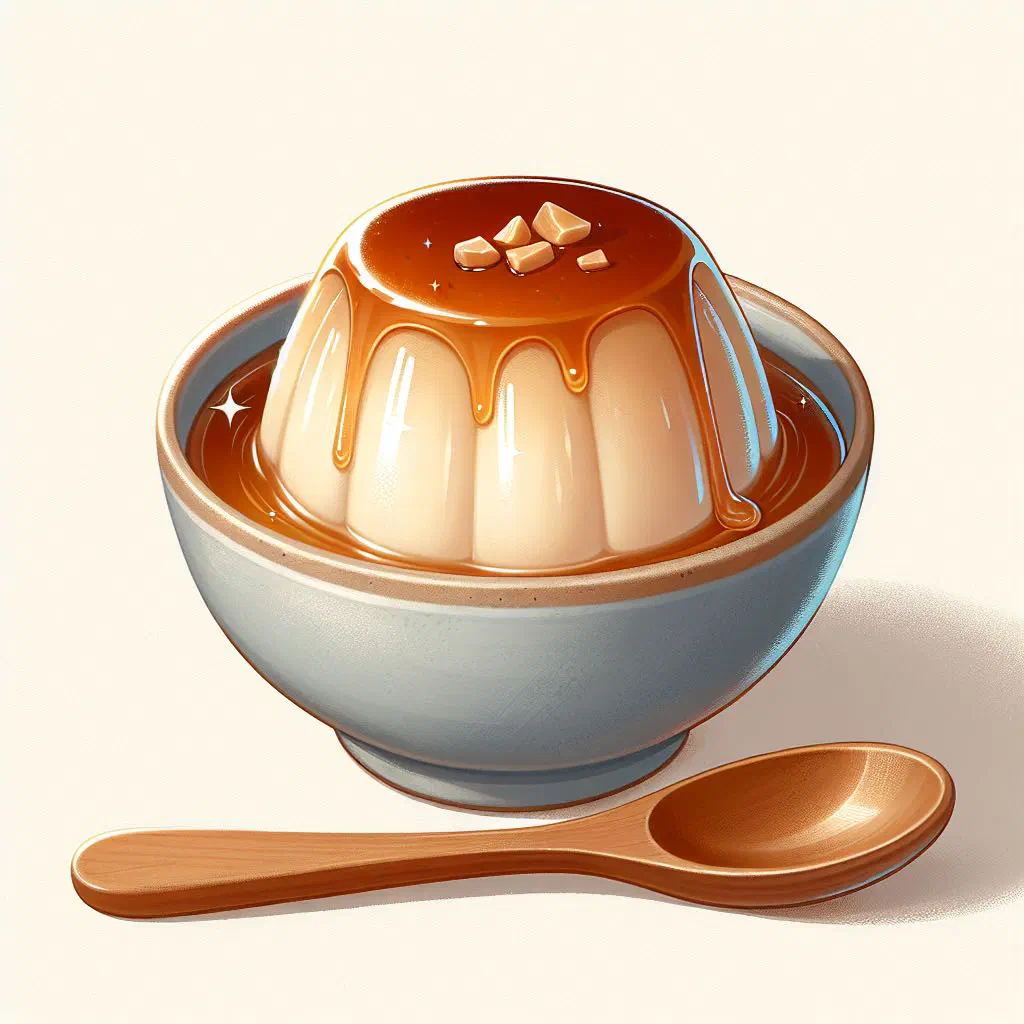
In this article
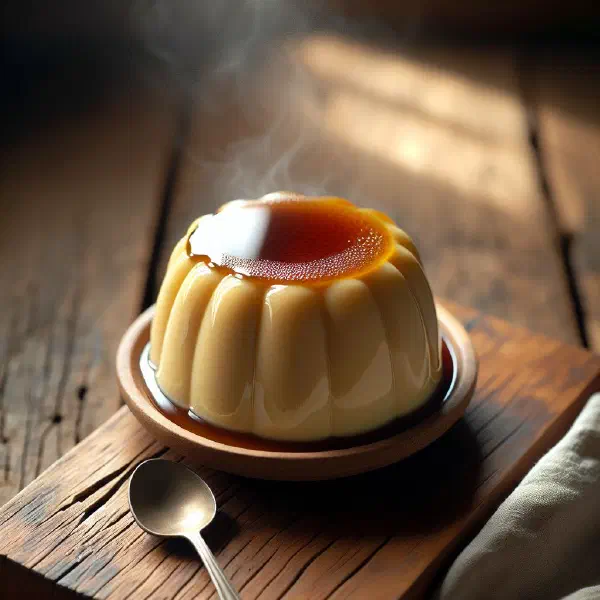
Discover Tau Fu Fah, Malaysia’s beloved silken soy pudding. This wonderfully creamy dessert charms with its delicate sweetness and melt-in-the-mouth texture, finished with a warm ginger and sugar syrup. Simple to make yet deeply comforting, it brings a taste of Malaysia’s busy hawker stalls straight to your own kitchen.
About Tau Fu Fah
Tau Fu Fah is a memorable dessert of tender soy pudding that enjoys enormous popularity across Malaysia. With its creamy texture and subtle sweetness, it is a treat for the palate and a genuine piece of Malaysian tradition. The dish is usually served with a warm sugar syrup or a gingery infusion, which lends the dessert a lovely depth of flavour. It is straightforward to prepare, making it an ideal choice for any dessert lover keen to try something new.
Ingredients (serves 1–2)
- 200 g soybeans
- 1 litre water
- 1/2 teaspoon nigari (magnesium chloride) or an alternative coagulant
- 150 g sugar
- 1 piece of fresh ginger (to taste)
Shopping for the ingredients
The ingredients for tau fu fah are available in most Asian supermarkets. Soybeans come in several forms, dried or as flour, but dried beans are the more traditional option. When buying nigari, make sure you get it in the right form, as it is sold both as a powder and as crystals. The sugar can be chosen to suit your personal taste, white or brown, depending on how intense you would like the sweetness to be.
Preparing the dish
To get the best out of making tau fu fah, it is important to choose and prepare the ingredients carefully. Start by soaking the soybeans overnight so they soften and become easier to work with. Once soaked, the beans are ready to be blitzed in a suitable food processor. This ensures the smooth, even texture of the soy pudding that is so essential to the dessert.
Step-by-step instructions
- Drain the soaked soybeans and blend them with fresh water.
- Bring the soybean purée to the boil in a pan with 1 litre of water and simmer for 10 minutes, stirring constantly.
- Strain the mixture through a fine sieve or cloth to extract the soy milk.
- Reheat the soy milk and stir in the nigari until it has fully dissolved.
- Pour the mixture into bowls and leave to rest for about 15 minutes until set.
- For the syrup, heat the sugar with water and ginger in a small pan until the sugar has completely dissolved.
- Arrange the tau fu fah in bowls and serve with the warm sugar syrup to taste.
Gluten-free / lactose-free version
Tau fu fah is naturally gluten-free and lactose-free, as it is made almost entirely from soybeans. Just check that all the ingredients you use are also gluten-free, particularly when choosing sugar and any added flavourings. If you would like to add extra aromas, opt for gluten-free choices such as vanilla extract. All this makes the dish a perfect pick for anyone with these intolerances.
Tips for vegans and vegetarians
The ingredient list for tau fu fah is ideal for vegans and vegetarians, as it contains no animal products at all. For extra flavour, vegans can adapt the syrup by using coconut sugar or agave nectar instead. You can also round off the experience by adding fresh fruit such as mango or coconut, much like the tropical fruit that stars in a classic Rojak Buah. These variations not only add flavour but make the dessert that little bit healthier too.
More tips and tricks
Getting the right consistency is the key to perfect tau fu fah. Test the mixture for thickness before pouring it into the bowls. You can also experiment with different sweeteners to hit exactly the flavour you are after. When making the syrup, try adventurous additions such as cinnamon or a strip of lemon or orange zest to refine the dessert further.
Adapting the recipe to your taste
The tau fu fah recipe offers plenty of scope for adjustment, making it easy to shape to your personal taste. You can fine-tune the sweetness by varying the amount of sugar or by using different natural sweeteners. For an exotic note, infuse the mixture with pandan leaf or tea, the same fragrant leaf that flavours a fluffy Pandan Cake, to create a truly distinctive flavour experience. Try different combinations until you have perfected your ideal dessert.
Ingredient substitutions
If you have no soybeans to hand, other pulses or plant-based alternatives can step in. Pea or lentil flour could offer creative variations. For the coagulant, agar-agar can replace nigari, though this may alter the texture. It is important to adjust the cooking times and technique accordingly to achieve a similar consistency.
Drink pairing ideas
Pairing tau fu fah with the right drink can round off the whole dessert experience. A mellow jasmine tea or a refreshing green tea goes beautifully with this sweet treat. Alternatively, consider a glass of coconut water or hibiscus tea for an exotic touch, or Malaysia’s famous frothy pulled milk tea, Teh Tarik.
Serving and presentation ideas
Thoughtful presentation can lift the tau fu fah experience considerably. Use transparent bowls to show off the dessert’s attractive layers and texture. Garnishes of fresh fruit, herbs or a drizzle of honey give it a professional finish. A decorative spoon or a handmade bowl can also add to the aesthetics and lend the dessert a special touch.
A bit of history
Tau fu fah has a long history in Malaysian cooking that can be traced back centuries. It was originally brought to Malaysia by Chinese immigrants and has held a firm place in the local food scene ever since, much like the stuffed tofu classic Yong Tau Foo. The dessert reflects the simplicity and freshness of its ingredients and the cultural diversity and exchange that define Malaysian cuisine today. It is regarded as a symbol of hospitality, often served at festivals and special occasions.
More recipe ideas
Summary: Tau Fu Fah
Tau fu fah is a superb Malaysian dessert that is as much fun to make as it is to eat. It is delicious and wholesome, being made almost entirely from natural ingredients. With plenty of room for adaptation and creative variation, it is a dish that suits any occasion. Give it a try and enjoy a taste of Malaysia in your own kitchen.