National Dish Maldives: Kanamadhu Bondibaiy (Recipe)
In this article
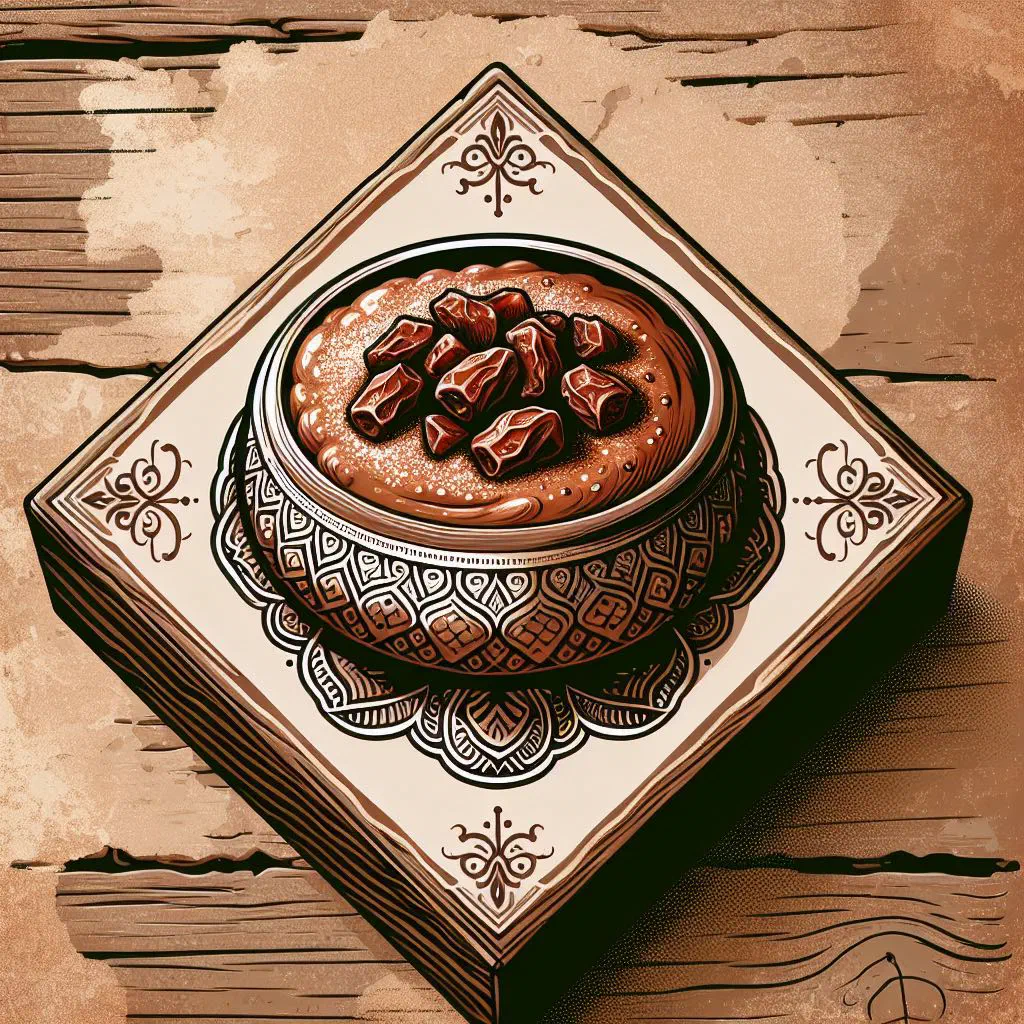
Kanamadhu Bondibaiy is the Maldivian celebration pudding: short-grain rice cooked slowly in coconut milk until thick and creamy, sweetened and scented with cardamom, then finished with cashews toasted in ghee. It appears at Eid, at weddings and at any occasion worth marking, and it is the sweet most islanders associate with home.
About Kanamadhu Bondibaiy
Kanamadhu Bondibaiy is the sweet cashew rice pudding of the Maldives. Kanamadhu means cashew nuts, bondibaiy the creamy rice pudding cooked in coconut milk that is served on the islands at festivals and special occasions. Refined with cardamom, cinnamon and crunchy cashews, it makes a sweet close to any Maldivian meal, and it is deliberately made in large quantities for sharing.
Ingredients (serves 1–2)
- 100 g short-grain rice
- 300 ml coconut milk
- 150 ml water
- 50 g sugar
- 30 g cashew nuts, roughly chopped
- ½ teaspoon ground cardamom
- A pinch of cinnamon
- 1 tablespoon raisins (optional)
- 1 teaspoon ghee or butter, for toasting the cashews
Shopping for the ingredients
Short-grain or pudding rice gives the necessary creaminess; long-grain will not. Full-fat tinned coconut milk is essential, the light version produces a thin, disappointing pudding. Buy raw cashews rather than roasted, since you toast them yourself in ghee, which makes a considerable difference.
Preparing the dish
Rinse the rice briefly to remove surface dust but not all its starch. Toast the cashews in ghee before you start the pudding and set them aside. They should stay crunchy rather than softening in the pot. Have the coconut milk and water measured, since the pudding needs steady attention once it is on the heat.
Step-by-step instructions
- Toast the chopped cashews in the ghee until golden, then set aside.
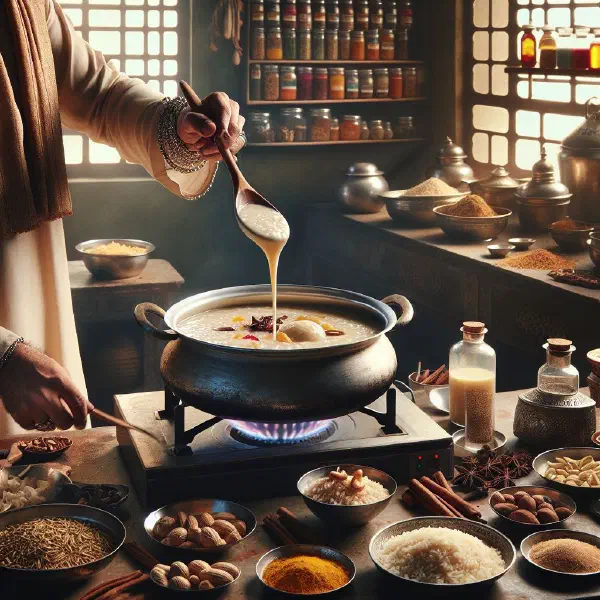
- Bring the rice, water and half the coconut milk to a gentle simmer.
- Cook over a low heat for 20 minutes, stirring often, until the rice is soft.
- Add the remaining coconut milk and the sugar.
- Simmer a further 10 minutes until thick and creamy.
- Stir in the cardamom, cinnamon and raisins.
- Serve warm or cold, topped with the toasted cashews.
Gluten-free / lactose-free version
The pudding is naturally gluten-free. Use coconut oil instead of ghee and it becomes fully lactose-free, since the base is coconut milk rather than dairy, this is one of the easiest desserts to adapt.
Tips for vegans and vegetarians
The dish is vegetarian as written and vegan with coconut oil in place of ghee. Nothing else needs changing, and the coconut milk means the texture is every bit as rich as a dairy version. It is a genuinely reliable plant-based dessert.
More tips and tricks
Stir frequently and keep the heat low, coconut milk catches on the base of the pan even more readily than dairy. Remember that the pudding thickens substantially as it cools, so stop while it still looks loose. And add the cashews only at serving, or they lose their crunch.
Adapting the recipe to your taste
Rose water or pandan leaf are common Maldivian additions. Some cooks fold in grated fresh coconut for texture. A pinch of saffron makes it more festive, and condensed milk in place of some of the sugar gives a richer, sweeter result.
Ingredient substitutions
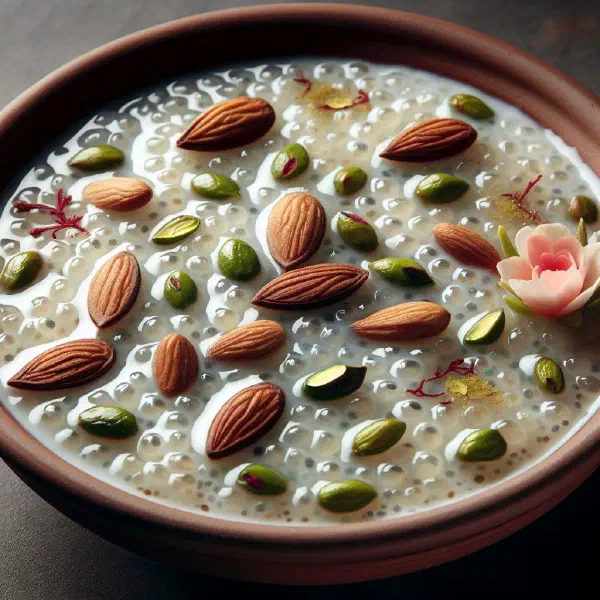
Almonds or pistachios can replace cashews. Sago or vermicelli substitute for rice in related Maldivian puddings (saagu bondibaiy). Jaggery or palm sugar in place of white sugar gives a deeper caramel flavour.
Drink pairing ideas
Sweet black tea is the standard accompaniment on the islands. Cardamom coffee suits the spicing well. For something cold, fresh coconut water is the obvious and excellent choice.
Serving and presentation ideas
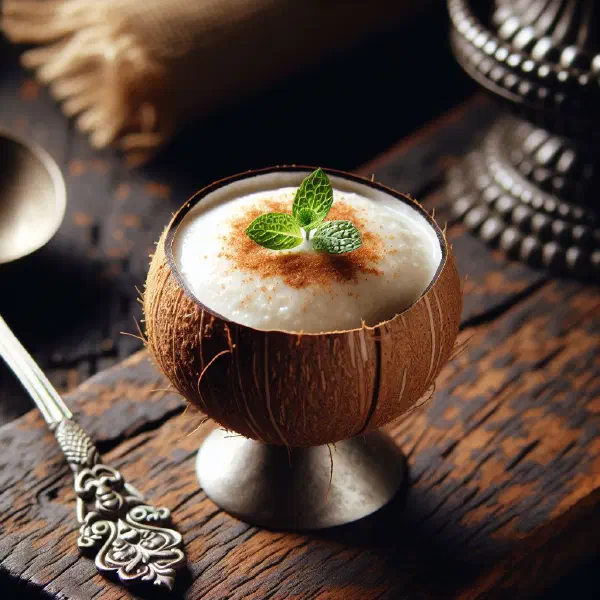
Serve kanamadhu bondibaiy in small bowls, warm or chilled, with the toasted cashews scattered generously on top and perhaps a dusting of cinnamon. At celebrations it is served from one large dish so everyone helps themselves, which is very much the spirit of the thing.
A bit of history
Coconut and rice are the twin foundations of Maldivian cooking, and puddings combining the two appear across the Indian Ocean, from Sri Lanka to the Swahili coast. Cashews and cardamom arrived through the same trade networks that made the Maldives a stopping point for centuries. Kanamadhu Bondibaiy offers a genuine window onto Maldivian cuisine.
More recipe ideas
Summary: Kanamadhu Bondibaiy
Kanamadhu Bondibaiy is rice cooked slowly in coconut milk with cardamom and topped with ghee-toasted cashews. Half an hour of gentle stirring for the Maldives’ favourite celebration dessert, and it is just as good cold the next day.