National Dish Maldives: Kandukukulhu (Recipe)
In this article
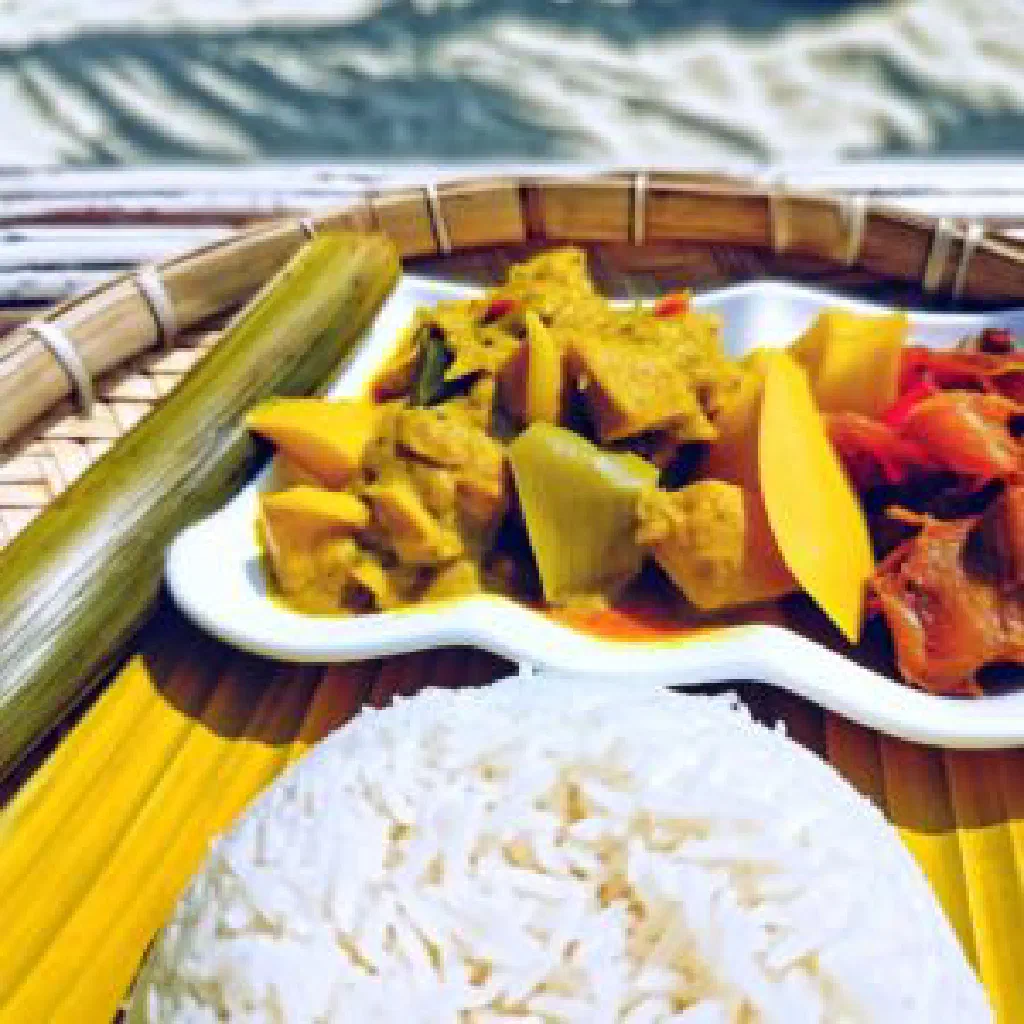
Meet Kandukukulhu, the fragrant tuna curry that captures the Maldives in a single bowl. Freshly caught tuna simmers in silky coconut milk with ginger, garlic and warming spices until the whole kitchen smells of the tropics. It is island cooking at its most honest: a handful of good ingredients, a gentle simmer and a scattering of coriander. Serve it with steaming rice and you have a taste of the Indian Ocean on your table.
About Kandukukulhu
Kandukukulhu is the national dish of the Maldives and offers a culinary experience that captures the essence of the islands. It brings together freshly caught tuna, typical of the waters surrounding the archipelago, with a selection of aromatic spices and coconut. Traditionally the fish is cooked into a spiced curry that reflects the maritime culture and rich heritage of the islands. The flavours are bold yet harmonious, which makes Kandukukulhu a must for anyone curious about Maldivian cuisine.
Ingredients (serves 1–2)
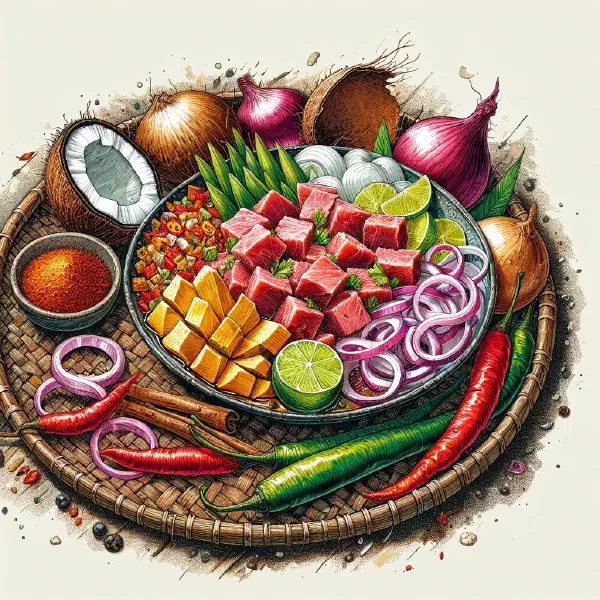
- 300 g fresh tuna, diced
- 1 cup coconut milk
- 1 onion, finely chopped
- 2 cloves of garlic, chopped
- 1 piece of ginger (about 2 cm), grated
- 2 tablespoons red curry paste
- 1 teaspoon turmeric
- 1 teaspoon salt
- 2 tablespoons vegetable oil
- Fresh coriander, to garnish
Shopping for the ingredients
Shopping well is an essential step towards an authentic Kandukukulhu. Fresh tuna should be bought as close as possible to the time of cooking so that quality and flavour are at their peak. Most Asian and international grocers stock the spices and coconut milk you need, and it is worth picking up fresh herbs such as coriander at a market or greengrocer, since they give the finished dish its final flourish. The same careful sourcing pays off in any island classic, from Mas Curry to a simple bowl of Garudhiya.
Preparing the dish
Before you start cooking Kandukukulhu, it is important to prepare every ingredient carefully. The onion, garlic and ginger should be finely chopped or grated so their aromas come through fully in the curry. Good preparation makes the cooking process far more efficient and stops important steps from being skipped. That way you can concentrate entirely on building the flavours of the curry, and your time at the stove is noticeably shorter.
Step-by-step instructions
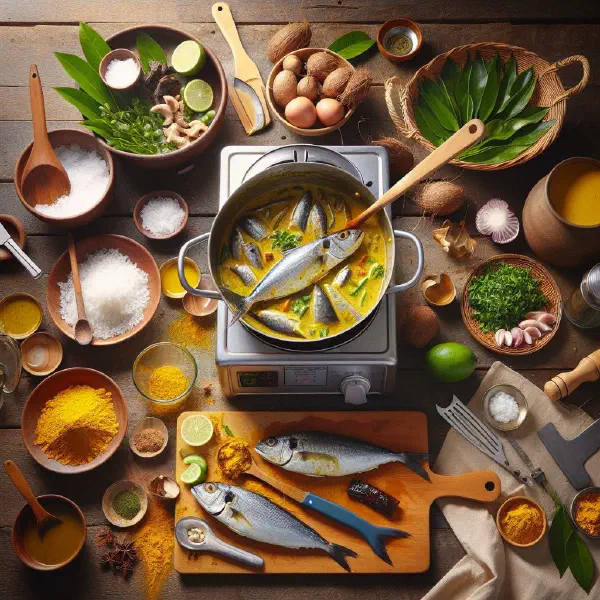
- Heat the oil in a pan and add the chopped onion. Fry until golden brown.
- Add the chopped garlic and grated ginger and fry briefly alongside.
- Stir in the red curry paste and the turmeric and mix well until the aromas come together.
- Add the diced tuna and fry for about 3–4 minutes.
- Pour in the coconut milk, reduce the heat and let the curry simmer for 15 minutes.
- Season with salt and garnish the dish with fresh coriander.
Gluten-free / lactose-free version
Kandukukulhu is naturally gluten-free and lactose-free, though it pays to check the individual ingredients. Make sure the curry paste you use contains no hidden gluten. Coconut milk is an excellent lactose-free alternative to dairy and gives the curry its creamy consistency. In this way anyone with particular dietary needs can enjoy the full pleasure of Maldivian cooking.
Tips for vegans and vegetarians
For a vegan or vegetarian version of Kandukukulhu, the tuna can be replaced with a combination of tofu or vegetables. Tofu absorbs the flavours of the curry beautifully and provides a hearty plant-based source of protein. Vegetables such as aubergine, courgette and peppers can also be added for colourful variety. Do adjust the cooking time so that everything reaches the tenderness you want and the alternatives taste their best.
More tips and tricks
To get the most out of your Kandukukulhu, it is worth trying a few different kitchen techniques. Toasting the spices before adding any liquid, for example, intensifies the aromas considerably. A pinch of extra seasoning such as black pepper or chilli lends the dish a pleasant heat. A longer simmer lets the flavours penetrate deeper into the ingredients and produces a particularly rich aroma that makes the curry unmistakable.
Adapting the recipe to your taste
Kandukukulhu can be adjusted entirely to your own preferences. Feel free to vary the amount of spice or add extra ingredients to make the dish more distinctive. A handful of fresh tomatoes gives the curry a fruity note, while additional spices such as cinnamon or cumin create an interesting nuance. Experiment with different herbs for different flavour profiles and you will end up with your own personal version of this Maldivian classic, much as home cooks do with Kulhi Mas.
Ingredient substitutions
If some ingredients for Kandukukulhu are hard to find, there are plenty of alternatives that still preserve the flavour. Instead of fresh tuna you can use tinned tuna, though do pay attention to quality. In place of coconut milk, coconut cream thinned with a little water achieves a similar consistency. Plant-based cream is another good option for keeping the curry rich if you would prefer less coconut flavour.
Drink pairing ideas
Light, refreshing drinks suit a distinctive dish like Kandukukulhu especially well. A chilled mint tea or a lightly sweetened fruit punch made with tropical fruit pairs perfectly with the spiced notes of the curry. If you prefer something alcoholic, a delicate beer or a fruity cocktail makes an ideal accompaniment. These drinks support the flavour nuances of the food and contribute to a genuinely Maldivian dining experience.
Serving and presentation ideas
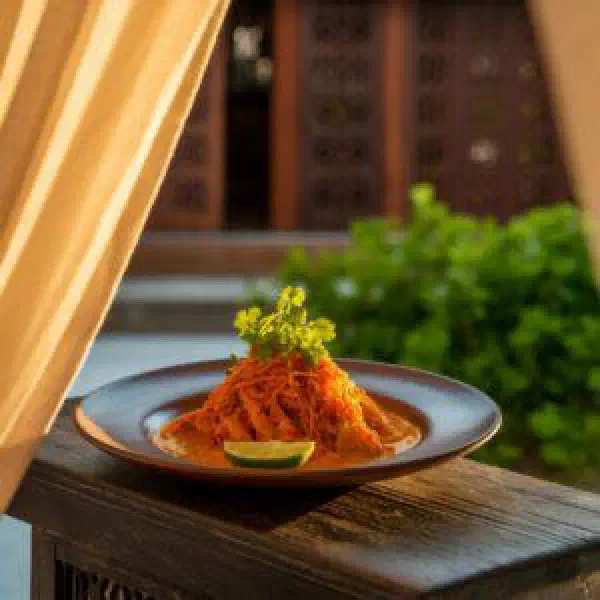
An attractive presentation raises the whole Kandukukulhu experience. Serve the curry in a deep bowl and garnish it with fresh coriander and a wedge of lime for an extra splash of colour. A portion of jasmine rice on the side rounds out the plate and creates a pleasant balance of flavours. Make sure the combination of the vivid curry, the fresh green coriander and the white rice looks inviting, flatbreads such as Mas Roshi work beautifully alongside too.
A bit of history
Kandukukulhu has a deeply rooted history in Maldivian culture, shaped by traditions that go back centuries. Fishing has been a vital part of the islanders’ diet for generations, which is reflected in the preference for freshly caught tuna. The use of additions such as coconut and spices is part of a cultural heritage that unites the tastes of the different peoples of the Maldives. The dish symbolises the cuisine and the bond between the islanders and the sea.
More recipe ideas
Summary: Kandukukulhu
In short, Kandukukulhu offers a tour through the Maldives that brings the islands’ maritime culture to life. The dish combines the freshness of tuna with the creamy taste of coconut milk and the warmth of aromatic spices. It always brings a touch of the tropics to the table. The preparation is simple and adaptable, so anyone can bring a piece of Maldivian paradise into their own kitchen.