National Dish Maldives: Rihaakuru (Recipe)
In this article
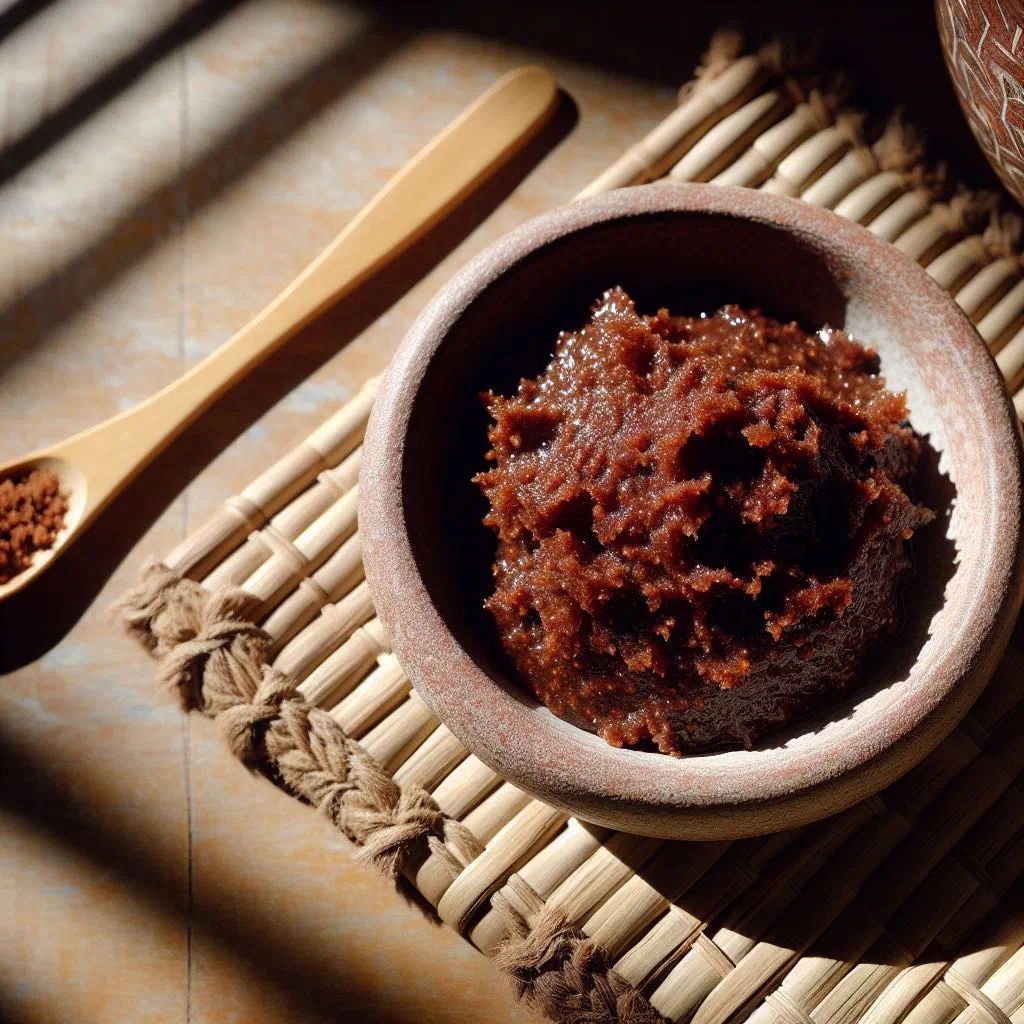
Discover Rihaakuru, the deep, savoury tuna paste that sits right at the heart of the Maldivian table. Made from nothing more than fresh fish, water and salt, it is slowly simmered for hours until the broth collapses into a glossy, chocolate-brown concentrate packed with flavour. A single spoonful carries the taste of the Indian Ocean, and islanders eat it with rice, taro or flatbread at almost every meal. Patience is the only real ingredient you need.
About Rihaakuru
Rihaakuru is far more than a simple condiment. It is the cornerstone of the Maldivian kitchen and widely regarded as the national dish of this island nation. This concentrated fish product is prized for its intense savoury depth and its remarkable versatility. Traditionally, rihaakuru is the result of a long reduction process in which the liquid from the broth left over after boiling fresh fish is slowly evaporated until a thick brown paste remains. Its unmistakable aroma and gently spiced character make it an indispensable component of countless traditional dishes.
Ingredients (serves 1–2)
- 200 g fresh tuna
- 2 cups water
- 1 teaspoon salt
Shopping for the ingredients
If you care about the quality of your rihaakuru, it pays to seek out fresh, sustainably caught tuna. When buying, look for fish with clear, bright skin and firm, springy flesh, the same standard you would apply when shopping for a Mas Curry. A good fishmonger will happily tell you when the catch came in, and skipjack tuna is the traditional choice on the islands.
Preparing the dish
Before cooking, the fish should be cleaned thoroughly and cut into bite-sized pieces so it breaks down evenly in the pan. It is also worth having everything to hand, pan, salt, water and a wooden spoon, so the long, slow cooking runs smoothly from start to finish. A heavy-based pan is a real advantage here.
Step-by-step instructions
- Place the tuna pieces in a pan with the water and bring to the boil.
- Season the water with the salt and reduce the heat.
- Let the fish simmer gently for around 2 hours, until most of the water has evaporated.
- A thick, dark paste will begin to form on the base of the pan — this is your rihaakuru.
- Remove any remaining solid pieces of fish and continue reducing the liquid until you reach the consistency you want.
- Allow the rihaakuru to cool, then store it in an airtight container.
Gluten-free / lactose-free version
Rihaakuru is naturally gluten-free and lactose-free: fish, water and salt are the only ingredients, so nobody with an intolerance need miss out. Take care only with what you serve alongside it, choose gluten-free flatbreads or stick to plain rice, taro or cassava. Shop-bought jars occasionally contain thickeners, so home-made really is the safest route.
Tips for vegans and vegetarians
As a pure fish preparation, rihaakuru cannot be made vegan in any authentic sense. Vegetarian cooks who want something similar in spirit can build a savoury paste from slow-reduced mushroom stock, roasted onion and a little tamarind, which delivers comparable umami depth. It will not taste like the original, but it works beautifully in the same role at the table.
More tips and tricks
Rihaakuru demands patience and real attention to detail. Stir regularly during the long simmer to make sure nothing catches on the base and that the paste thickens evenly. Keep the heat low and resist the urge to rush it, the flavour develops in the final half-hour, when the colour deepens from tan to dark brown.
Adapting the recipe to your taste
Depending on personal preference, the consistency of rihaakuru can vary a great deal. Some cooks like it thick and pungent, while others prefer a looser, more pourable paste. Experiment with the cooking time to find your own ideal. A few curry leaves, a sliver of chilli or a little chopped onion added towards the end will also nudge the flavour in a fresher direction.
Ingredient substitutions
If tuna is not available, another oily fish can be used instead, though this will change the traditional character of the finished paste. Mackerel and bonito both work well. Bear in mind that leaner white fish yields a paler, less intense result, and that the classic island flavour really does come from the tuna used in dishes such as Garudhiya.
Drink pairing ideas
A cool, refreshing drink balances the intensity of rihaakuru perfectly. Coconut water is the obvious island choice, while a lightly sweetened lemonade cuts through the richness just as well. Plain black tea, drunk hot and unsweetened, is what many Maldivians reach for, and a crisp lager also holds its own if you would prefer something alcoholic.
Serving and presentation ideas
Serve rihaakuru in the traditional way, with rice, cassava or taro. For an attractive presentation, spoon the paste into a small bowl and set it at the centre of the table as a shared condiment. Wedges of lime, sliced onion and fresh chilli around the edge add colour and let everyone season to taste, much as they would with Mas Huni.
A bit of history
Rihaakuru comes from an era when nothing on the Maldives was ever wasted. The broth left behind after boiling fish was reduced down to preserve a vital source of nourishment through the long fishing seasons, turning a by-product into a staple. Today it is a symbol of Maldivian identity and culture, and no survey of Maldivian cuisine is complete without it.
More recipe ideas
Summary: Rihaakuru
Cooking rihaakuru is a genuinely rewarding experience and offers an authentic window onto the food culture of the Maldives. With patience and the right ingredients, this traditional preparation can become the highlight of any meal. It costs almost nothing to make, keeps for weeks, and transforms plain rice into something memorable. Give it a go, few dishes tell the story of an island nation quite so directly.