National Dish Mali: Attiéké (Recipe)
In this article
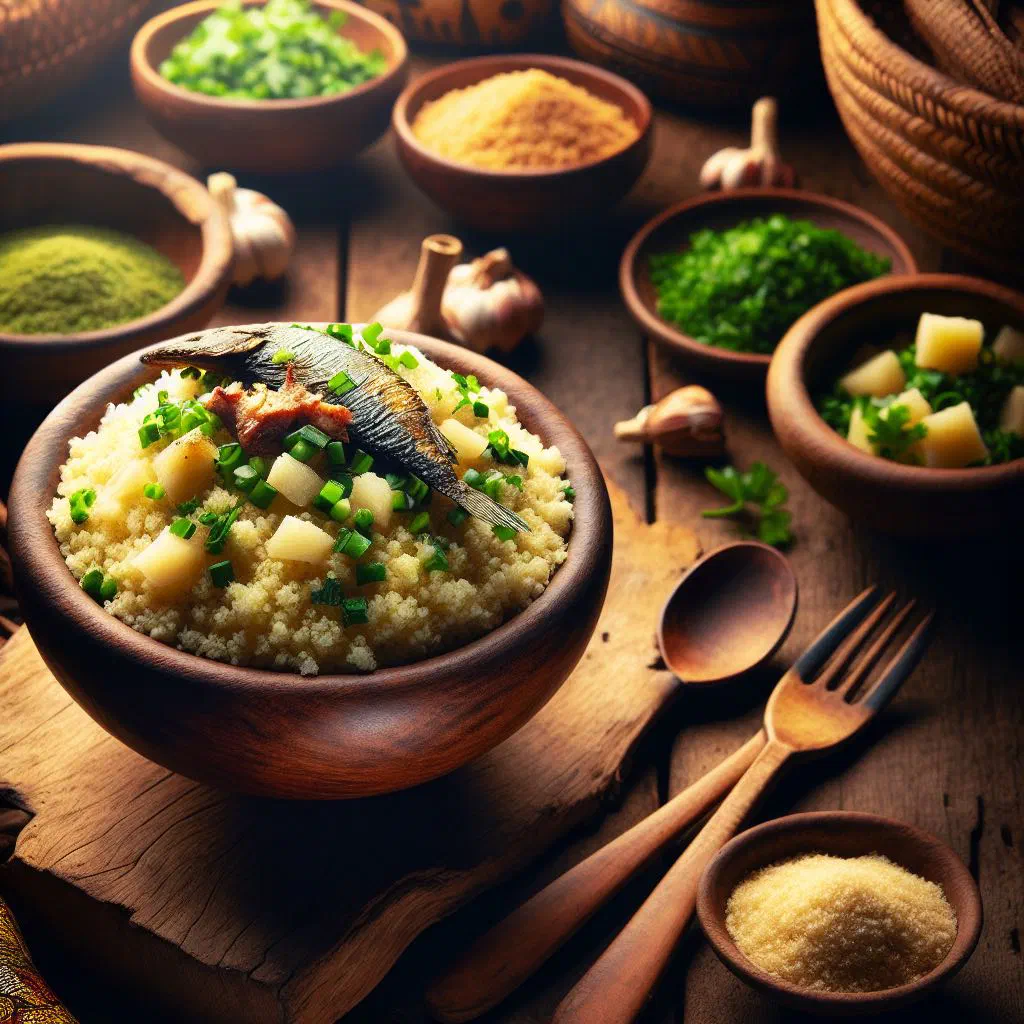
Discover Attiéké, a West African staple that has become one of Mali’s most cherished plates. Made from fermented cassava, it has a light, couscous-like texture and a gentle tang that pairs beautifully with fresh vegetables, grilled fish or spiced chicken. Simple, nourishing and naturally gluten-free, it is the kind of dish that turns an everyday meal into something worth lingering over.
About Attiéké
Attiéké is a delicious and traditional national dish of Mali, made from fermented cassava. It has a pleasant, slightly grainy consistency and is often served as a side to a range of main courses. Preparing attiéké takes a little time and patience, but the result is a gluten-free and nourishing dish that appeals to locals and visitors alike. Over the years it has spread right across West Africa and is now valued in kitchens far beyond the region.
Ingredients (serves 1–2)
- 250 g attiéké (fermented cassava)
- 1 small onion, diced
- 2 tomatoes, diced
- 1 pepper, diced
- 100 g fried chicken or fish (optional)
- Salt and pepper to taste
- A squeeze of lemon juice
Shopping for the ingredients
To make attiéké, it is worth buying all the ingredients you need in advance. Many of them, attiéké itself above all, are available from African grocers or online. If you are shopping locally, an international supermarket is your best bet for the fresh produce such as onions, tomatoes and peppers. Choose fresh, good-quality items wherever you can, as they make all the difference to the finished flavour.
Preparing the dish
Getting attiéké ready involves a few straightforward steps that nonetheless shape the final taste. First, rinse the cassava granules well to remove any residue. Then chop and prepare the vegetables of your choice. If you are using chicken or fish, this is also the moment to marinate it so the flavour has time to deepen before cooking.
Step-by-step instructions
- Moisten the rinsed attiéké in a bowl with a little water and mix it through thoroughly.
- Put the onion, tomatoes and pepper into a large bowl and combine well.
- Optional: add the fried chicken or fish and fold it in gently.
- Season with salt, pepper and a squeeze of lemon juice.
- Serve the attiéké together with the prepared ingredients and enjoy.
Gluten-free / lactose-free version
One of the great advantages of attiéké is that it is naturally gluten-free and lactose-free. That makes it an excellent choice for anyone with a corresponding allergy or intolerance. Even so, it is worth checking that every other ingredient you use is free from gluten and lactose as well. Pay particular attention to spice blends and any extras, which can hide unexpected sources of both.
Tips for vegans and vegetarians
Attiéké adapts easily for vegans and vegetarians. Simply leave out the chicken or fish and add mixed vegetables or pulses such as chickpeas to boost the protein instead. Some cooks stir in extra spices or beans to give the dish more depth. There are endless ways to build attiéké around your own preferences while still enjoying a genuinely nourishing meal, much like a bowl of Salade De Niebe.
More tips and tricks
A few practical tips make attiéké easier to get right. Prepare the dish a little ahead of time so the flavours have a chance to settle and develop. Sautéing the vegetables before folding them through the cassava also brings extra depth to the taste. Experiment with different herbs and spices to add a signature of your own.
Adapting the recipe to your taste
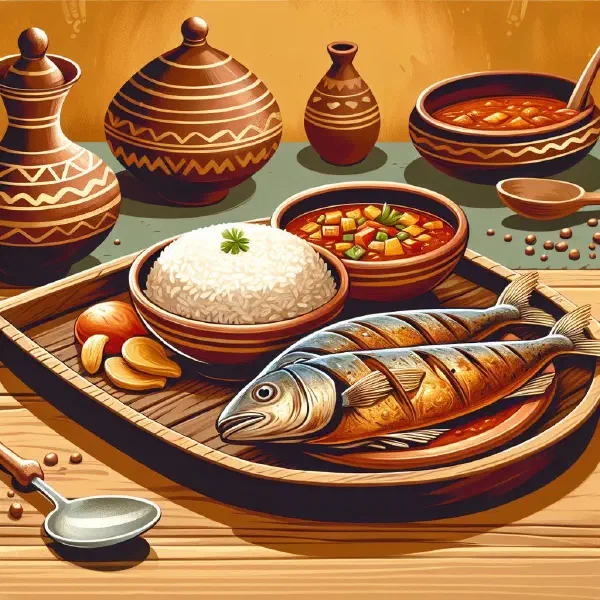
Attiéké is remarkably versatile and can be shaped around your personal preferences. Use whichever vegetables you like, or adjust the heat by adding chillies or a splash of hot sauce. You can also vary the protein to keep the dish interesting for different palates, grilled fish, as in Poisson Braise, is a particular favourite.
Ingredient substitutions
If some of the ingredients prove hard to find, there are plenty of alternatives. Tinned tomatoes, for example, work perfectly well in place of fresh ones and still taste good. For the vegetables, use any combination you happen to have to hand. The key is to experiment with whatever you like best or can source most easily.
Drink pairing ideas
Several drinks go beautifully with a plate of attiéké. A fresh mint tea or a simple lemon water complements the flavours nicely, while a chilled glass of Bissap adds a fruity, floral note. If you prefer something alcoholic, a light beer or a refreshing shandy works well. Try a few different pairings to find the one that suits your meal best.
Serving and presentation ideas
Attiéké can look wonderfully appealing when plated simply but elegantly. Use colourful vegetables to make the dish more striking. Serve it in attractive bowls or on brightly patterned crockery to lift both the taste and the look of the meal. A scattering of fresh herbs on top adds lightness and finishes the plate off nicely.
A bit of history
Attiéké has a history and is deeply rooted in West African culture. Originally from the Côte d’Ivoire region, it spread throughout West Africa and is now a much-loved dish in many countries. Making attiéké is a traditional process passed down from one generation to the next, and it shows just how central food culture is to these communities. The fermentation of the cassava matters for flavour and for preservation, a principle that runs through much of Malian cuisine.
More recipe ideas
Summary: Attiéké
Attiéké is a flavourful and nourishing dish that offers countless opportunities for personalisation. This traditional recipe suits meat eaters, vegetarians and vegans alike. With fresh ingredients and a few simple steps, you can bring an authentic piece of West African cooking straight into your own kitchen. Give it a try and enjoy the many flavours of attiéké.