National Dish Mali: Bassi Salté (Recipe)
In this article
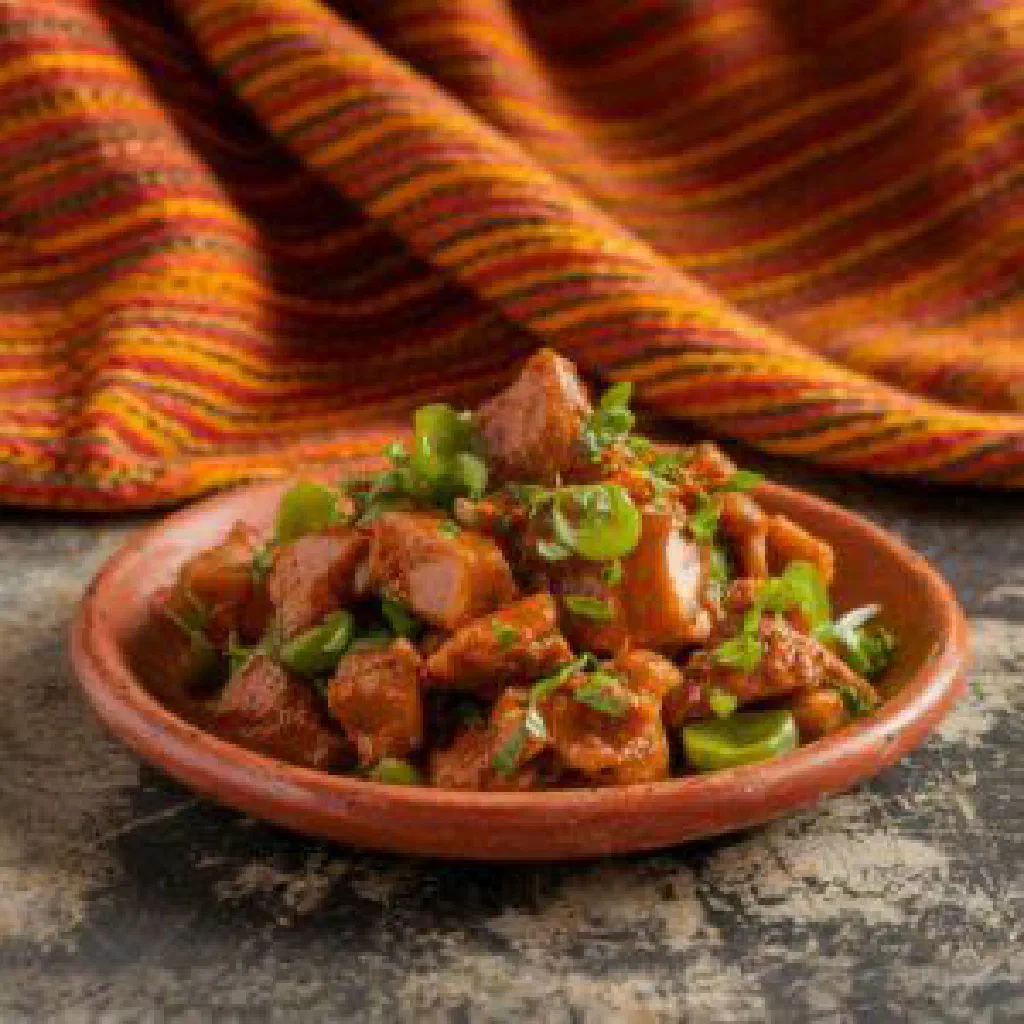
Meet Bassi Salté, the bright national dish of Mali and a wonderful introduction to West African home cooking. Fluffy grains soak up the flavours of gently spiced vegetables, with meat or fish added whenever the occasion calls for it. It is generous, colourful food built for sharing, and it comes together in a single pot with very little fuss. Bring a taste of Bamako to your own kitchen.
About Bassi Salté
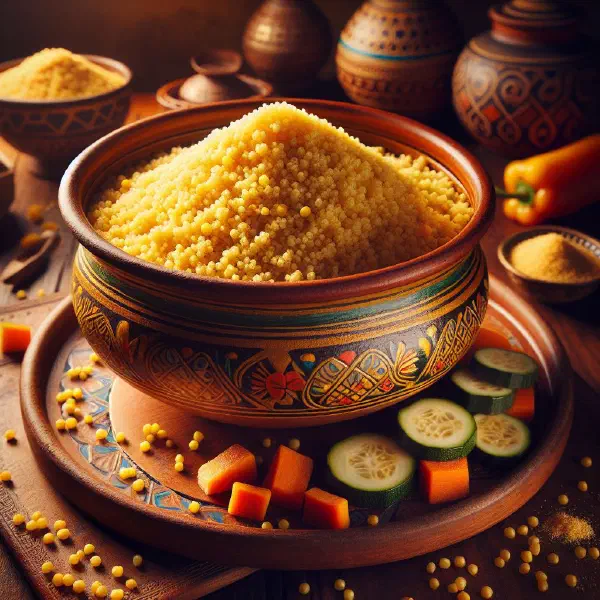
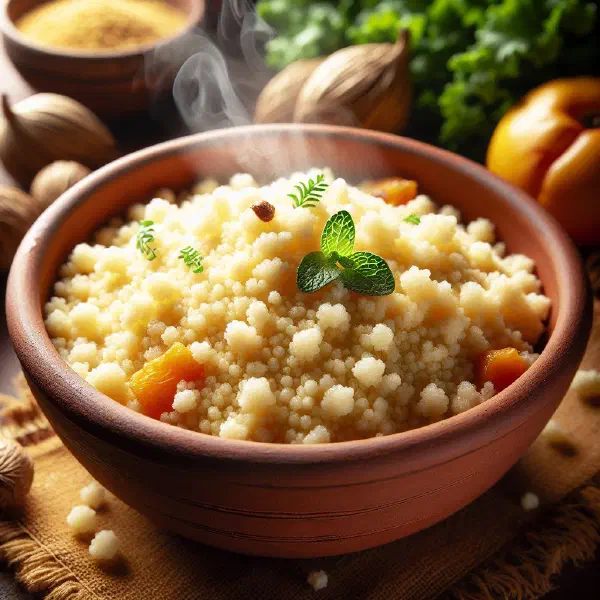
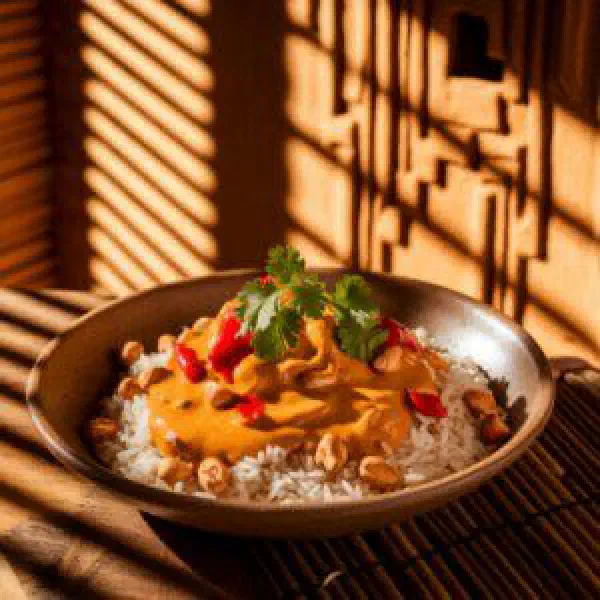
Bassi Salté is the national dish of Mali and holds a treasured place in Malian cooking. It brings together rice and a medley of vegetables, enriched as you like with meat or fish, which gives the dish its layered, satisfying flavour. Its colourful appearance makes it a feast for the eyes and an obvious choice for sociable gatherings. More than simply a filling meal, it is a symbol of the lively food culture of West Africa.
Ingredients (serves 1–2)
- 200 g rice
- 100 g vegetables (carrots, peppers, courgette)
- 200 g meat or fish (optional)
- 2 tablespoons oil
- 1 onion
- Spices to taste (salt, pepper, paprika)
- 1 clove of garlic
Shopping for the ingredients
To make Bassi Salté well, every ingredient should be fresh and of good quality. Local markets are the best place to buy the vegetables and the meat, as produce there is usually fresher and better value than in a supermarket. When buying spices, look for good-quality products, since they carry much of the flavour of the finished dish. It is worth building up a small store cupboard of spices so the aromas can really shine.
Preparing the dish
Preparation is an important step and lays the foundation for the flavour of the finished dish. It pays to have everything ready before you start cooking, so the process runs smoothly from beginning to end. The vegetables should be washed, peeled and cut into small pieces. If you are using meat, cut it into bite-sized chunks as well so that it cooks through evenly. The same unhurried approach works nicely for a pot of Riz Gras.
Step-by-step instructions
- Heat the oil in a large pan and fry the diced onion and chopped garlic until golden.
- Add the prepared meat or fish and fry until cooked through.
- Tip in the vegetables and stir well to combine.
- Add the rice and the spices, then cover everything with water.
- Cook over a medium heat and let it simmer for around 20 minutes, until the rice is tender and the water has been absorbed.
Gluten-free / lactose-free version
Bassi Salté is naturally gluten-free and lactose-free when it is made with the right ingredients. Simply stick to rice-based products and leave out cream or any other dairy. That makes the dish an easy choice for anyone living with food intolerances. Do check the labels on stock cubes and spice blends carefully to rule out hidden gluten or milk products.
Tips for vegans and vegetarians
There are plenty of ways to adapt Bassi Salté for vegans and vegetarians. In place of meat or fish, use tofu or another plant-based protein, both of which offer a similar texture and take on the spices beautifully. Give the dish more depth by folding in extra vegetables according to the season. Spices matter just as much here, so do not be shy about being creative, the same principle that makes Légumes Sautés so satisfying.
More tips and tricks
Cooking Bassi Salté is an invitation to play with flavours. Add a splash of lemon juice towards the end of cooking to lift the dish and give it a fresh edge. Remember that presentation plays an important role in Malian food culture, so give some thought to how you plate it up. Eating together also encourages conversation and company, which is very much part of the pleasure.
Adapting the recipe to your taste
Bassi Salté is easily adjusted to suit personal preferences, whether through the choice of vegetables, the spices or the protein. Experiment with different combinations until you land on your perfect version. Prefer things hotter? Simply add chilli or another fiery spice. The dish is straightforward to make and takes variation well, which is exactly what makes it so adaptable.
Ingredient substitutions
If you cannot find a particular ingredient, or you would rather use something else, there are plenty of options. Quinoa works in place of rice, for example, and makes the dish more nutritious; fonio is the traditional West African choice and shines in Fonio aux Légumes. With vegetables you can let your imagination run free and use whatever appeals or happens to be available. The beauty of Bassi Salté is how readily it adapts to whatever seasonal produce is at its best.
Drink pairing ideas
To round out the meal, choose drinks that suit your Bassi Salté. A chilled Malian beer or a refreshing fruit juice complements the flavours of the dish nicely. Mint tea is another excellent choice and mirrors Malian eating habits closely, as does a glass of hibiscus Bissap. A well-chosen drink can complete the whole experience and heighten the enjoyment of the food.
Serving and presentation ideas
A beautifully arranged meal is a joy to look at. Serve Bassi Salté in colourful bowls that bring out the bright shades of the vegetables. A garnished platter with fresh herbs improves both the appearance and the flavour. Take care to arrange the portions so they look inviting, because presentation is often every bit as important as taste.
A bit of history
Bassi Salté has deep roots in Malian culture and tradition. It is often served at celebrations and special occasions, and it reflects the variety of flavours that characterises Malian cuisine. Historically, food has always been an opportunity to gather with family and friends, so Bassi Salté stands not only for nourishment but for community. A dish carrying this much tradition is a lovely way to honour the cooking of Mali.
More recipe ideas
Summary: Bassi Salté
Bassi Salté is an excellent combination of rice, vegetables and optional meat or fish, made for sociable occasions. With its colourful presentation and layered flavours, it brings the lively cooking of Mali straight to the table. This dish is always a pleasure. Let its variety inspire you and draw the flavours and colours of Mali into your kitchen.