National Dish Mali: Cassava Leaf Sauce (Recipe)
In this article
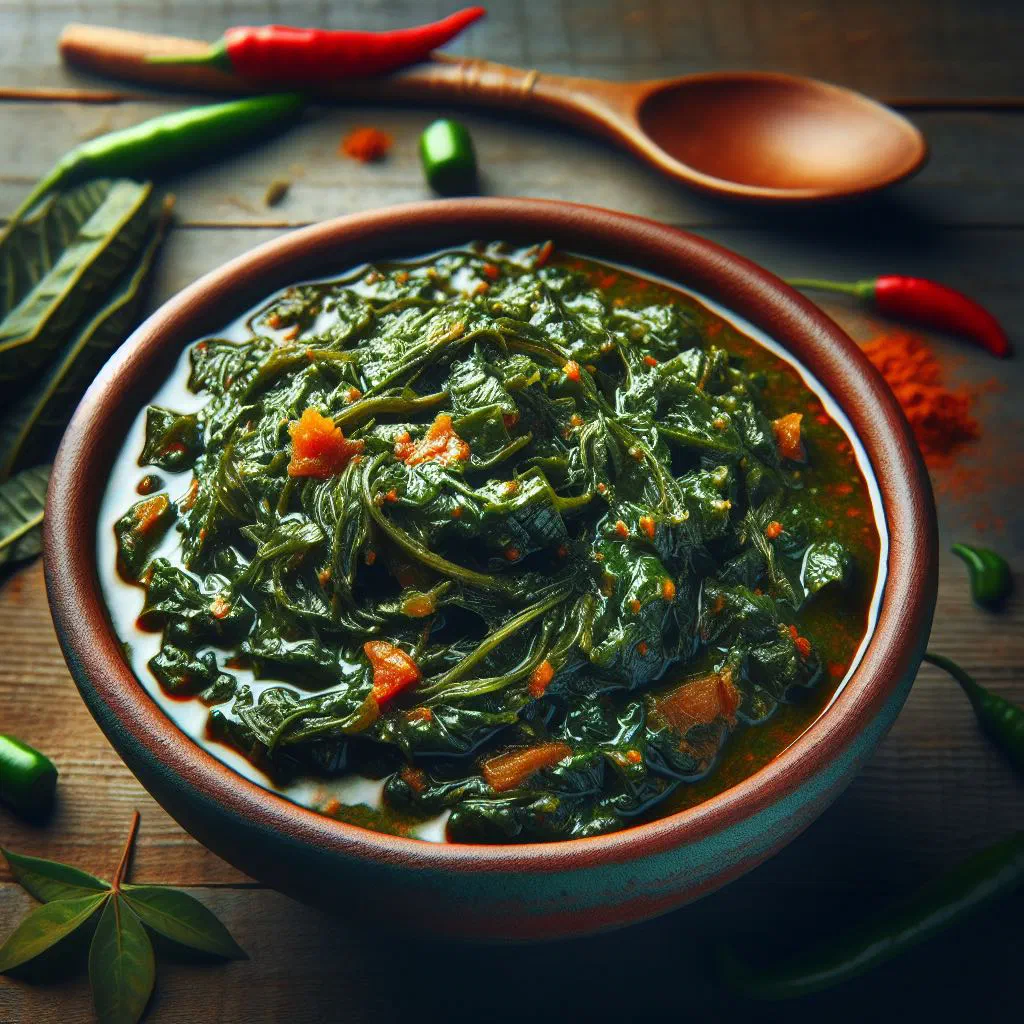
Discover Cassava Leaf Sauce, one of Mali’s most cherished national dishes. Deep green, gently earthy and slow-simmered until the flavours melt together, it brings cassava leaves, tomatoes and warm spices into one generous pot. Served with steaming rice or a soft ball of fufu, it is the kind of food that fills a table and keeps people talking long after the plates are empty, pure West African comfort.
About Cassava Leaf Sauce
Cassava Leaf Sauce is far more than a simple meal. It embodies the culinary soul of West Africa. Its star ingredient, the leaves of the cassava shrub, is prized both for its distinctive flavour and for its valuable nutrients. Combined with a range of aromatic seasonings and, if you like, meat or fish, the dish becomes a harmonious interplay of flavours. It is nourishing, deeply satisfying and a lasting symbol of Malian hospitality.
Ingredients (serves 1–2)
- 200 g fresh or frozen cassava leaves
- 300 g meat (chicken, beef or fish)
- 1 onion
- 2 cloves of garlic
- 2 tomatoes
- 1 teaspoon paprika
- 1 teaspoon vegetable stock
- Salt and pepper to taste
- 1–2 tablespoons vegetable oil
- Water as needed
Shopping for the ingredients
To source the ingredients for cassava leaf sauce, your best bet is an African or Asian grocery, where fresh or frozen cassava leaves are usually available. If you cannot find fresh greens, organic food shops and online retailers offer a wide selection of international ingredients. Make sure the meat is fresh and of good quality for the best flavour, the same care that pays off in a rich Malian Peanut Stew. Keep an eye on shelf life too, especially with fresh produce.
Preparing the dish
Good preparation is the first step towards an authentic result. Begin by washing and chopping the cassava leaves thoroughly if you are using fresh ones. If you have frozen leaves, thaw them and drain off any excess water. Cut the meat into bite-sized pieces and prepare the vegetables by finely dicing the onion, garlic and tomatoes. These steps are essential for bringing out the full character of every ingredient, so that the finished dish delivers its very best flavour.
Step-by-step instructions
- Heat the vegetable oil in a large pot and fry the onion and garlic until translucent.
- Add the meat and brown it well on all sides.
- Stir in the diced tomatoes, paprika and vegetable stock, and let everything simmer for a few minutes.
- Add the prepared cassava leaves, pour in enough water to cover them, and cook gently over low heat.
- After about 30 minutes the flavours should have fully developed. Season with salt and pepper and serve hot with rice or fufu.
Gluten-free / lactose-free version
Cassava leaf sauce is naturally gluten-free and lactose-free, which makes it an ideal choice for anyone with an intolerance. Simply check that the stock and spice blends you use are certified gluten-free as well. For a lactose-free meal there is nothing to change at all. Just pick your oil and side dishes with the same care. That makes this a wholesome, health-friendly option that every guest at the table can enjoy.
Tips for vegans and vegetarians
To make cassava leaf sauce vegan or vegetarian, simply swap the meat for plant-based protein such as tofu or tempeh. These alternatives not only give the dish the texture you want, they also soak up the wonderful flavours of the sauce. Be sure to use a vegetable stock rather than a meat-based one to deepen the taste. With a few creative tweaks, vegetarians and vegans can enjoy this traditional dish just as fully as anyone else.
More tips and tricks
A handful of simple tricks lifts cassava leaf sauce even further. Blanching the leaves briefly before cooking, for instance, softens any bitterness. Another tip is to let the pot simmer slowly over low heat for longer so the aromas really concentrate. Experiment with different spices and herbs to add your own signature, the same freedom that makes a pot of Okra Sauce so personal. That is how a classic becomes a dish of your own.
Adapting the recipe to your taste
The beauty of cassava leaf sauce lies in its flexibility. Depending on the region and on what is available, you can adjust the ingredients to suit your palate. Feel free to add extra vegetables such as carrots or pumpkin to enrich the nutritional profile of the dish. The choice of meat, fish or plant-based ingredients can vary just as freely. That way you can try new combinations and reinvent the dish again and again.
Ingredient substitutions
If cassava leaves are nowhere to be found, spinach or chard make excellent stand-ins, much as they do in a comforting Spinach Sauce. For anyone who would rather skip the meat, chickpeas or lentils are outstanding protein sources that give the sauce a hearty note. The oil can be swapped too: olive or coconut oil each bring their own character to the pot. With these alternatives your dish stays varied and exciting, entirely on your own terms.
Drink pairing ideas
A hearty dish like cassava leaf sauce calls for light, fruity drinks. Consider a refreshing fruit juice, a chilled Hibiscus Drink is a natural match, or sparkling water with citrus. A light beer or an unoaked white wine also complements the flavours nicely. If you prefer alcohol-free options, freshly brewed herbal teas are an excellent way to underline the taste of the meal.
Serving and presentation ideas
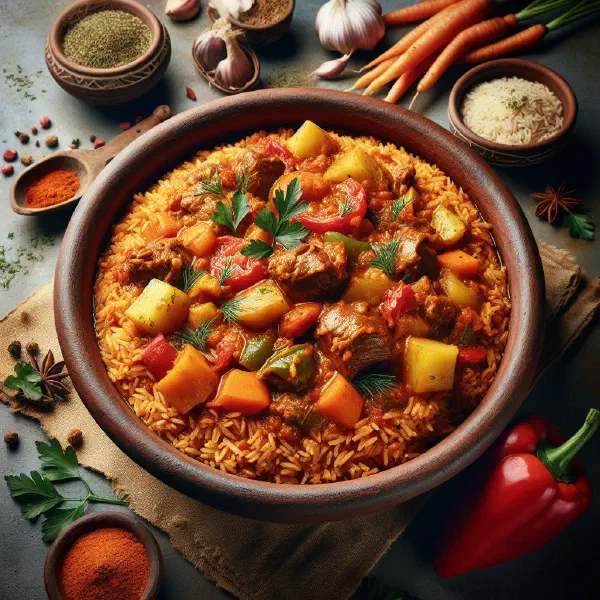
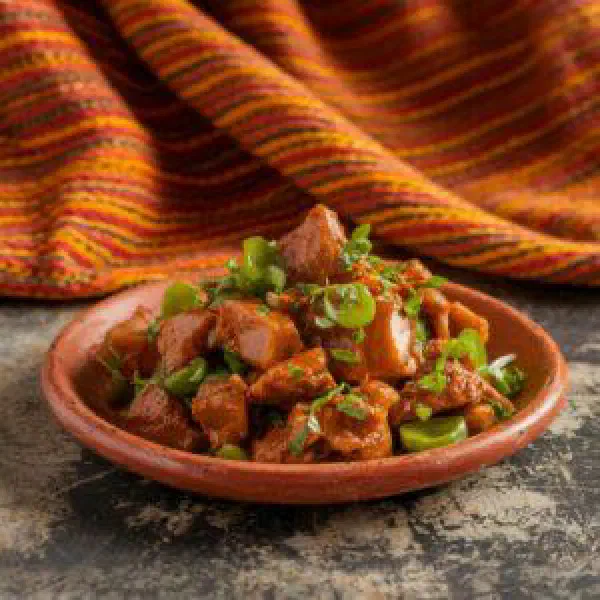
Presentation plays a big part in the overall experience of cassava leaf sauce. Serve the dish in a large, attractive bowl and garnish it with fresh herbs such as coriander or parsley. For a particularly appealing spread, arrange the side dishes separately; the sauce is often served alongside colourful vegetables. A simple garnish of lemon slices adds that little extra touch.
A bit of history
Cassava leaf sauce has a long history, closely bound up with the culture of Mali and its West African neighbours. Cassava is a staple crop that adapts remarkably well to the climate of the region. Cooking with leafy greens grew out of traditional methods handed down from generation to generation. Preparing this dish is therefore a culinary experience and a way of honouring the cultural heritage at the heart of Malian cuisine.
More recipe ideas
Summary: Cassava Leaf Sauce
In short, cassava leaf sauce is a versatile and flavourful dish that captures the tastes of West Africa. With its blend of wholesome ingredients and its openness to adaptation, it offers endless room for creativity in the kitchen. This dish is sure to be a hit with your guests and will carry them off on a tour to Mali.