National Dish Mali: Djabadjaba (Recipe)
In this article
Meet Djabadjaba, a warming one-pot classic from Mali that turns a handful of everyday ingredients into something quietly spectacular. Tender rice soaks up a fragrant broth alongside sweet peppers, carrots and gently browned meat, all lifted by the earthy spices that define West African cooking. It is the sort of generous, sociable dish that appears at celebrations and family gatherings, and it is far easier to make at home than its rich flavour suggests.
About Djabadjaba
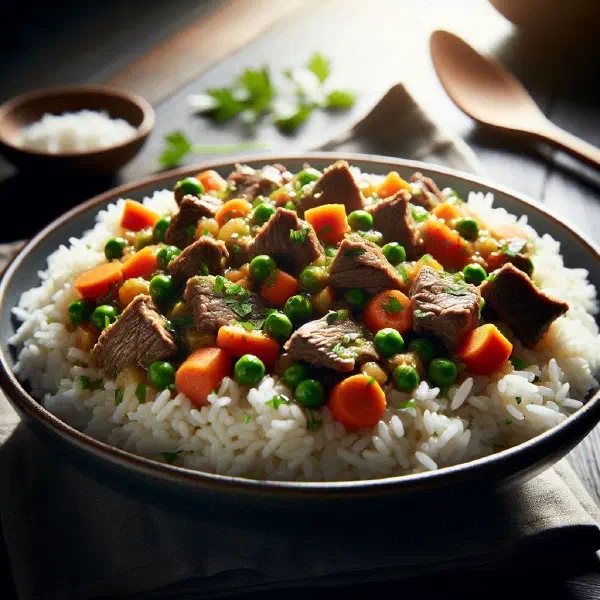
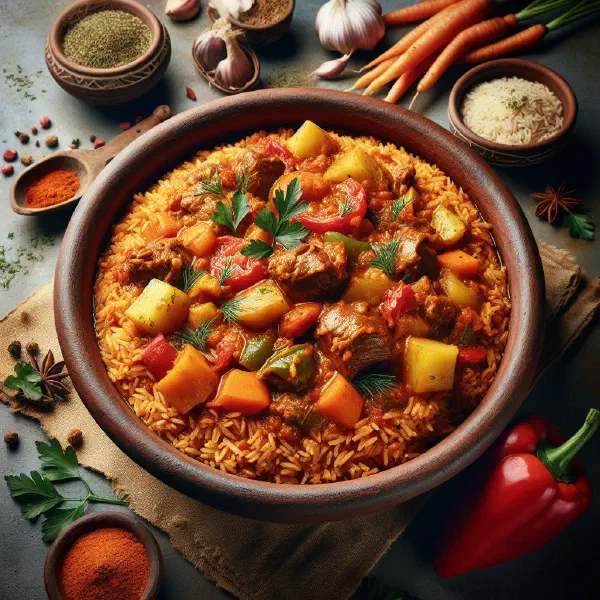
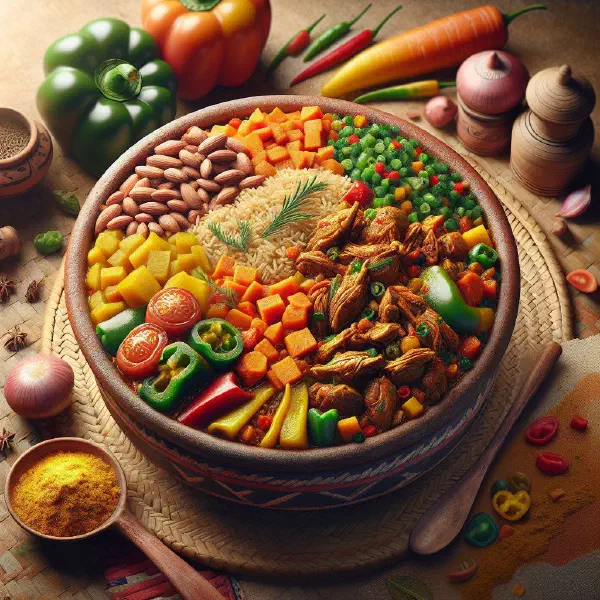
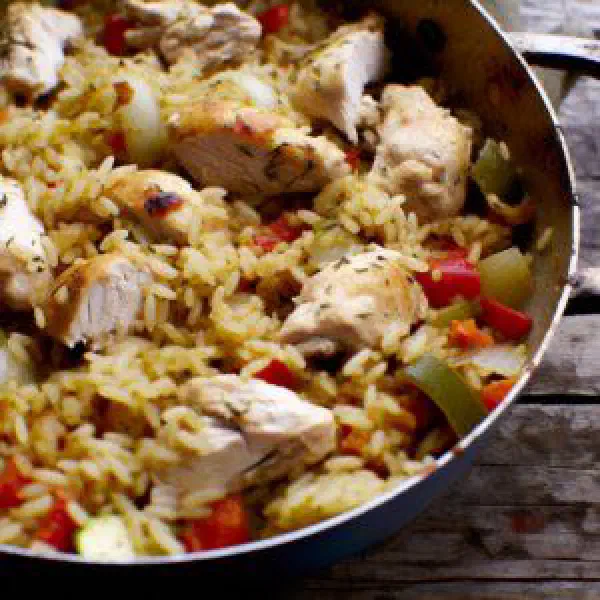
Djabadjaba is a traditional national dish of Mali, known above all for its savoury depth and the sheer variety of its ingredients. The combination of rice, fresh vegetables and tender meat creates a flavour profile all of its own, satisfying without ever feeling heavy. The original preparation relies on the traditional spices that are characteristic of Malian cooking, layered in patiently as the dish builds. Djabadjaba is often served at festive occasions, reflecting the hospitality and culture for which the country is so well known.
Ingredients (serves 1–2)
- 200 g rice
- 150 g chicken breast or beef, cut into pieces
- 1 onion, chopped
- 1 pepper, diced
- 2 carrots, sliced
- 2 cloves of garlic, chopped
- 2 tablespoons oil (peanut or olive oil, for example)
- 1 teaspoon cumin
- 1 teaspoon paprika
- Salt and pepper to taste
- 500 ml vegetable or chicken stock
Shopping for the ingredients
When shopping for djabadjaba, it pays to be fussy about quality. Fresh vegetables and good meat make a real difference to the finished aroma. Visit a local market or a supermarket with a decent range of African spices, where you will often find the warmer, earthier blends that suit this dish best. Consider making the stock yourself too. It is the simplest way to keep the flavour authentically full-bodied.
Preparing the dish
Good preparation is what makes cooking djabadjaba effortless. Begin with the vegetables: washing, peeling and slicing are the first steps, and doing them all before the pan goes on saves a great deal of fuss later. The meat should be cut into evenly sized pieces so that everything cooks through at the same rate. Make sure every ingredient is ready and within reach before you start, and the whole process will run smoothly.
Step-by-step instructions
- Heat the oil in a large pan and add the chopped onion. Fry over a medium heat until golden brown.
- Add the meat and brown it on all sides until lightly coloured.
- Stir in the garlic and the prepared vegetables (pepper and carrots) and fry for a few minutes more.
- Add the spices — cumin, paprika, salt and pepper — and stir well to coat everything.
- Add the rice and toast it briefly so it takes on the aromas.
- Pour in the stock and bring to the boil, then reduce the heat, cover and simmer until the rice is tender.
- Leave to rest for a few minutes before serving so the flavours settle.
Gluten-free / lactose-free version
Djabadjaba is naturally a gluten-free and lactose-free dish, provided you choose your ingredients carefully. Use a certified gluten-free stock and leave out any dairy ingredients, and the recipe becomes suitable for anyone with an intolerance. The authentic flavour is entirely unaffected, which makes this one of the easiest West African dishes to serve to a mixed table, much like a bowl of Fonio aux Legumes.
Tips for vegans and vegetarians
For vegans and vegetarians, djabadjaba adapts with almost no effort. Replace the meat with a combination of pulses or tofu for a protein-rich version that still feels substantial. The vegetables can be varied freely according to the season or your own preferences. Use vegetable stock as the base to round out the flavour without any animal products at all.
More tips and tricks
A few tips and tricks will improve your djabadjaba considerably. Experiment with different spices to add your own signature to the pot. Seasonal or regional produce is well worth seeking out, as it brings a freshness that lifts the whole dish. Large batches are ideal for entertaining, and the leftovers arguably taste even better the following day.
Adapting the recipe to your taste
Djabadjaba is easy to shape around personal preference. Add tropical fruit such as mango or pineapple for a sweeter note that plays nicely against the spices. Vary the vegetables according to season and availability, keeping the freshest flavours at the front. The spicing can be dialled up or down as you like, giving you a milder or considerably hotter result.
Ingredient substitutions
A missing ingredient need never derail your djabadjaba, because there are good alternatives for almost everything. If cumin is not to your taste, swap it for oregano or thyme. Instead of chicken you might use fish, which gives a delicate, tender version reminiscent of Poisson Braise. Experimenting with new ingredients is part of the pleasure of cooking, and it often leads to a happy surprise.
Drink pairing ideas
The choice of drinks matters a great deal when serving djabadjaba. A crisp lager or an easy-drinking red wine both work beautifully with this savoury dish. For an alcohol-free option, try a fruity iced tea, a glass of chilled Bissap or simple mint water to accompany the meal. The right drink can lift the whole experience and round out the flavours on the plate.
Serving and presentation ideas
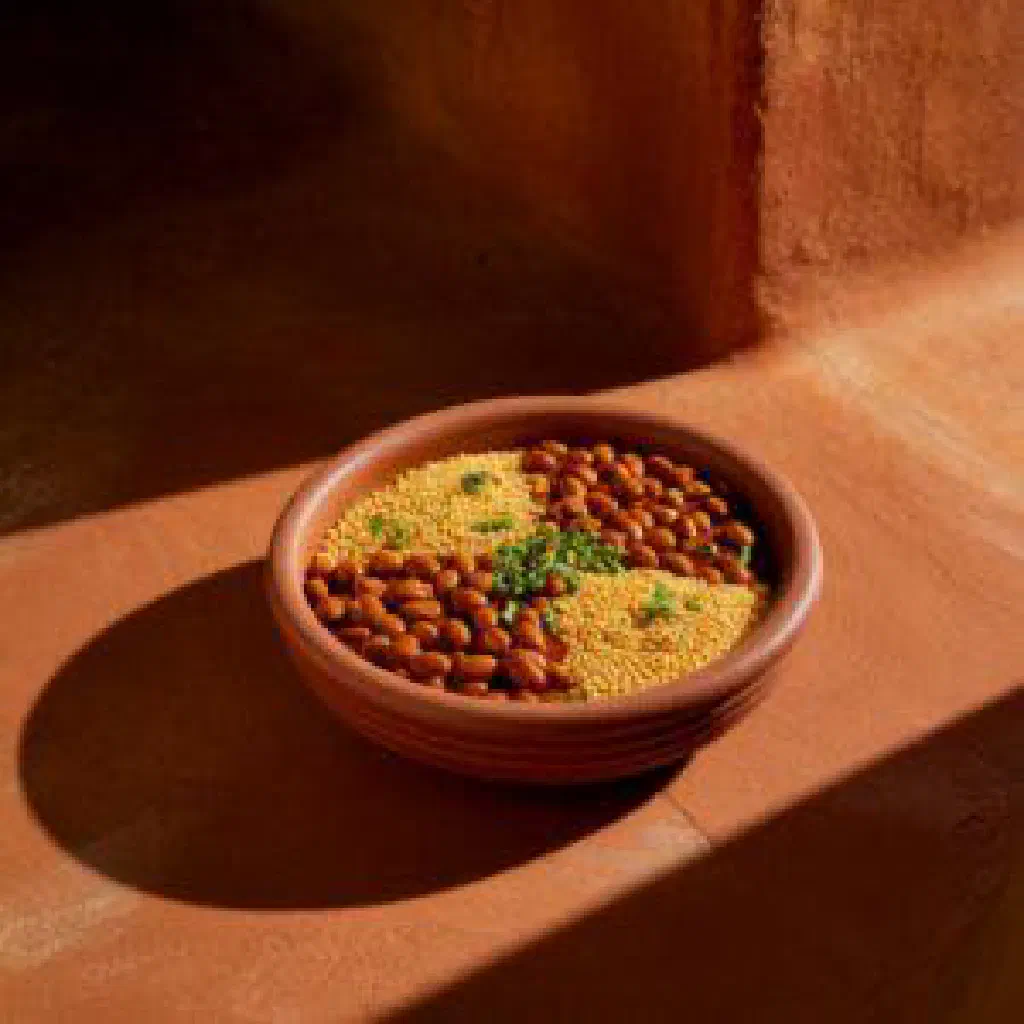
The presentation of djabadjaba can be raised with a few simple touches. Serve it in a large bowl and garnish with fresh coriander or spring onions for a flash of colour. Enjoy it with side dishes such as flatbread, which is perfect for mopping up the last of the broth. An attractive table setting and a little care in the arrangement create a genuinely special atmosphere.
A bit of history
The history of djabadjaba is closely bound up with Malian culture. Originally prepared by the Fulani community, the dish reflects the traditions and staple foods of the region. The reliance on rice and vegetables shows how Malian cuisine has always made the most of the natural resources to hand. Djabadjaba is not merely a meal but a symbol of cooperation and sharing within Malian families.
More recipe ideas
Summary: Djabadjaba
In short, djabadjaba is a hearty and deeply flavourful dish that embodies the richness of Malian culture and hospitality. With its mixture of rice, vegetables and meat it offers a distinctive eating experience that is genuinely simple to achieve at home. The recipe leaves plenty of room for personal adaptation and variation, so it can be made to suit almost any taste. In bringing together tradition and creativity in the kitchen, djabadjaba is a tour to Mali.