National Dish Mali: Fonio Couscous (Recipe)

In this article
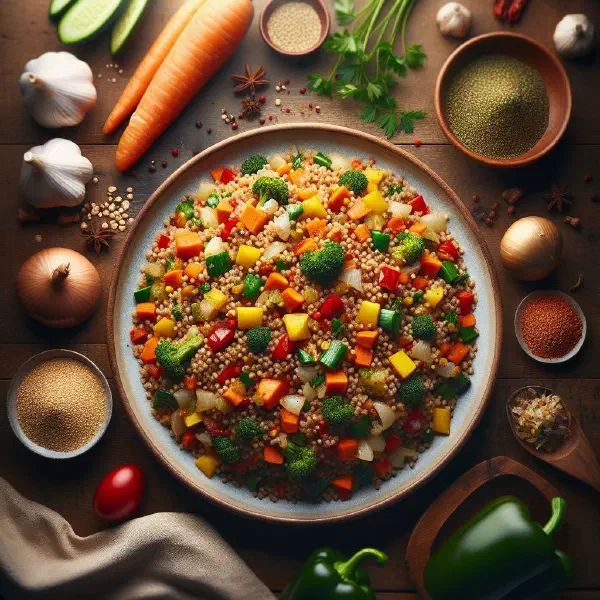
Discover Mali’s national dish: Fonio Couscous. This wonderfully simple recipe brings together nutrient-packed fonio grain and bright, fresh vegetables for a plate that tastes of West Africa. Light, nutty and endlessly adaptable, it works just as well as a weeknight supper as it does alongside a bigger spread. Bring the flavours of Mali straight into your own kitchen.
About Fonio Couscous
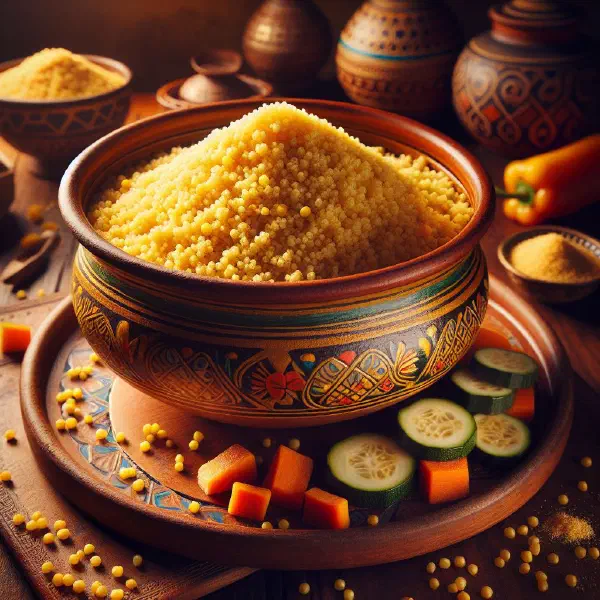
The traditional dish Fonio Couscous is made from nutrient-rich fonio, an ancient grain especially prized across West Africa. This tiny seed is known for its high levels of amino acids, minerals and fibre. Its delicate, nutty flavour makes it an ideal base for a huge range of dishes. Fonio couscous brings the varied aromas of Malian cooking to the table.
Ingredients (serves 1–2)
- 150g fonio
- 400ml water or stock
- 1 carrot, diced
- 1 courgette, diced
- 1 onion, chopped
- 2 cloves of garlic, finely chopped
- 2 tablespoons olive oil
- Salt and pepper to taste
- Fresh herbs (parsley or coriander), to garnish
Shopping for the ingredients
Shopping for fonio couscous is straightforward and requires no specialist shops. Fonio is increasingly stocked by health food shops and well-supplied supermarkets. African grocers are another reliable source, often carrying a good selection of traditional fonio. Fresh vegetables such as carrots and courgettes are easy to find and can be chosen according to what is in season.
Preparing the dish
Preparing fonio couscous is quick and simple. Start by rinsing the fonio thoroughly to wash away any grit or impurities. While that is done, wash the vegetables and cut them into evenly sized cubes. Having everything prepped in advance makes for a smooth cooking process and helps the flavours come through at their best.
Step-by-step instructions
- Heat the olive oil in a pan and sweat the onions and garlic until translucent.
- Add the diced vegetables and fry for a few minutes until just softened.
- Scatter in the fonio and toast it briefly with the vegetables.
- Pour in the water or stock, bring to the boil, then reduce the heat, cover and simmer for 10–15 minutes until the liquid has been absorbed.
- Fluff up with a fork, season with salt and pepper and garnish with fresh herbs.
Gluten-free / lactose-free version
Fonio couscous is naturally gluten-free, which makes it perfect for anyone with a gluten intolerance. There is no lactose in the dish either, as long as no dairy products are added during cooking. Your meal stays light and delicious whether you eat gluten-free, lactose-free or both. Enjoy all the nourishment fonio has to offer without a second thought.
Tips for vegans and vegetarians
For vegans and vegetarians, fonio couscous is an excellent choice, rich in plant proteins. You can build on the base with any number of vegetables, or add tofu or tempeh for an extra protein boost. A marinade of soy sauce or a light vinaigrette lifts the flavour nicely. The adaptability of fonio means you can shape the dish exactly to your liking, much as you would with a hearty Salade De Niebe.
More tips and tricks
Another good tip is to cook the fonio in a flavoured or vegetable stock rather than plain water, which gives the dish far more depth. Take care not to exceed the cooking time, fonio overcooks quickly and can lose its lovely loose texture. Experiment with spices such as cumin or paprika for additional warmth. That way you develop your own personal version and discover just how versatile fonio can be.
Adapting the recipe to your taste
Fonio couscous adapts beautifully to personal preference. Add dried fruit, nuts or even pulses for extra texture and flavour. If you like a bit of heat, work in fresh chillies or a pinch of cayenne pepper. Let your creativity run free and build a plate that matches exactly what you fancy, the same spirit of improvisation that shapes a bowl of Fonio Aux Legumes.
Ingredient substitutions
If certain ingredients are not to hand, there are plenty of alternatives for fonio couscous. Peppers work well in place of carrots, and broccoli makes a fine stand-in for courgette. For vegetarians, adding chickpeas is an excellent option that boosts both protein and body. Adapt the recipe to your store cupboard and simply use what you already have.
Drink pairing ideas
To round off your fonio couscous, serve a drink that suits it. A freshly brewed mint tea is a natural match for Malian food and adds a refreshing note, while a chilled glass of Bissap brings a tart, fruity contrast. A lightly chilled white wine or a fruity cocktail would also work beautifully. Remember that the drink should support the flavours of the dish rather than overwhelm them.
Serving and presentation ideas
Presentation can make a real difference to the fonio couscous experience. Serve the dish in a large bowl and garnish generously with colourful vegetables and fresh herbs. Small bowls of extra sides, sauces or dips create an appealing variety on the table. Choose attractive serving dishes to bring a touch of the traditional West African spirit to your table setting.
A bit of history
Fonio couscous has a long tradition in West African cooking. The fonio grain has been cultivated in Mali and neighbouring countries for centuries and is a symbol of culinary heritage. Preparing this dish reflects the regional kitchen and the social and cultural values of the people who grow it. Sharing and enjoying it together gives you a genuine taste of Malian cuisine and the community that shaped it.
More recipe ideas
Summary: Fonio Couscous
Fonio couscous is a delicious dish and one with genuine health benefits, thanks to its nutrient-dense grain. The preparation is simple and flexible, so cooks of every level can make it their own. Fonio brings the flavours of Mali directly to your table. Use the tips and variations above to create your own version of this excellent dish and experience the rich variety of West African cooking.