National Dish Mali: Fonio Flour (Recipe)
In this article
Meet Fonio Flour, a quietly remarkable staple from Mali built around one of West Africa’s oldest cultivated grains. Tiny, nutty and naturally gluten-free, fonio cooks in barely ten minutes and carries a gentle, earthy flavour that takes happily to herbs, spices and vegetables. It is the sort of everyday dish that feels light yet genuinely nourishing, a proper introduction to the grain that has fed the Sahel for centuries.
About Fonio Flour
Fonio Flour is a traditional Malian dish made from the nutrient-dense fonio grain. This small, gluten-free cereal is prized for its many health benefits, among them a high fibre content and a good supply of important vitamins. It appears constantly across West African cooking and brings an earthy, distinctive note that lifts a wide range of dishes. Preparation is straightforward, making it an excellent choice for health-conscious cooks.
Ingredients (serves 1–2)
- 100 g fonio
- 250 ml water or vegetable stock
- 1 tablespoon olive oil
- Salt to taste
- Pepper to taste
- Optional: vegetables or spices of your choice
Shopping for the ingredients
When shopping for fonio flour, look in specialist organic shops or African and Asian grocers, as fonio is regularly stocked there. Plenty of online retailers carry it too, so you can order it comfortably from home. Choose good-quality grain wherever possible to get the best flavour and the fullest nutritional benefit. The remaining ingredients are easy to find in any well-stocked supermarket, much as they are for a bowl of Fonio au Beurre.
Preparing the dish
Getting fonio flour ready is quick and uncomplicated. Before you start cooking, it is worth rinsing the fonio thoroughly to wash away any residue, which improves both the flavour and the final texture. While the water or vegetable stock comes to the boil, you can measure out the grain and have it standing by. A little organisation at this stage keeps the whole process relaxed.
Step-by-step instructions
- Bring the water or vegetable stock to the boil in a saucepan.
- Add the fonio and stir well.
- Cover the pan and let the fonio simmer over low heat for 10–12 minutes.
- Take the pan off the heat and leave the grain to rest for 5 minutes.
- Stir through the olive oil and season with salt and pepper to taste.
Gluten-free / lactose-free version
One of the great advantages of fonio flour is that it is naturally gluten-free and lactose-free. That makes it an outstanding option for anyone with a gluten intolerance or lactose intolerance. Cooking the grain in vegetable stock also supports a plant-based diet while adding extra depth of flavour. Everyone can enjoy this dish, whatever their dietary restrictions.
Tips for vegans and vegetarians
For vegans and vegetarians, fonio flour is an excellent protein-rich option. You can build the dish up further with vegetables such as spinach, carrots or peppers, in much the same spirit as Fonio aux Legumes. Spices like turmeric or cumin contribute additional aroma and nutrients. Experiment with seasonal produce for a colourful, wholesome meal.
More tips and tricks
A few simple tricks make cooking fonio even easier. You can prepare the grain the day before and simply reheat it in a pan or the microwave. It is also worth trying different cooking liquids, coconut milk or a spiced broth, for instance, to widen the flavour range. Test a few combinations and see which ones suit you best.
Adapting the recipe to your taste
Tailoring fonio flour to personal preference is easier than you might think. Adjust the herbs and spices to make it milder or more robust, depending on the mood of the meal. Different oils work well too, sesame oil in particular gives the grain an unexpected, fragrant edge. Every batch becomes a slightly different experience.
Ingredient substitutions
If you do not have every ingredient to hand, several alternatives work perfectly well. Plain water or another plant-based broth can stand in for vegetable stock without much loss of character. Olive oil can be replaced by other vegetable oils, or even butter if you are not cooking vegan. If fonio itself is unavailable, a fine millet couscous such as Couscous de Mil makes a reasonable substitute.
Drink pairing ideas
A dish as gentle as fonio flour pairs happily with a wide range of drinks. A refreshing hibiscus tea, Mali’s beloved Bissap, or a fruity lemonade complements the earthy notes beautifully. For an alcoholic option, a light, fruity wheat beer or a dry rosé does the job nicely. Either choice keeps the meal balanced and harmonious.
Serving and presentation ideas
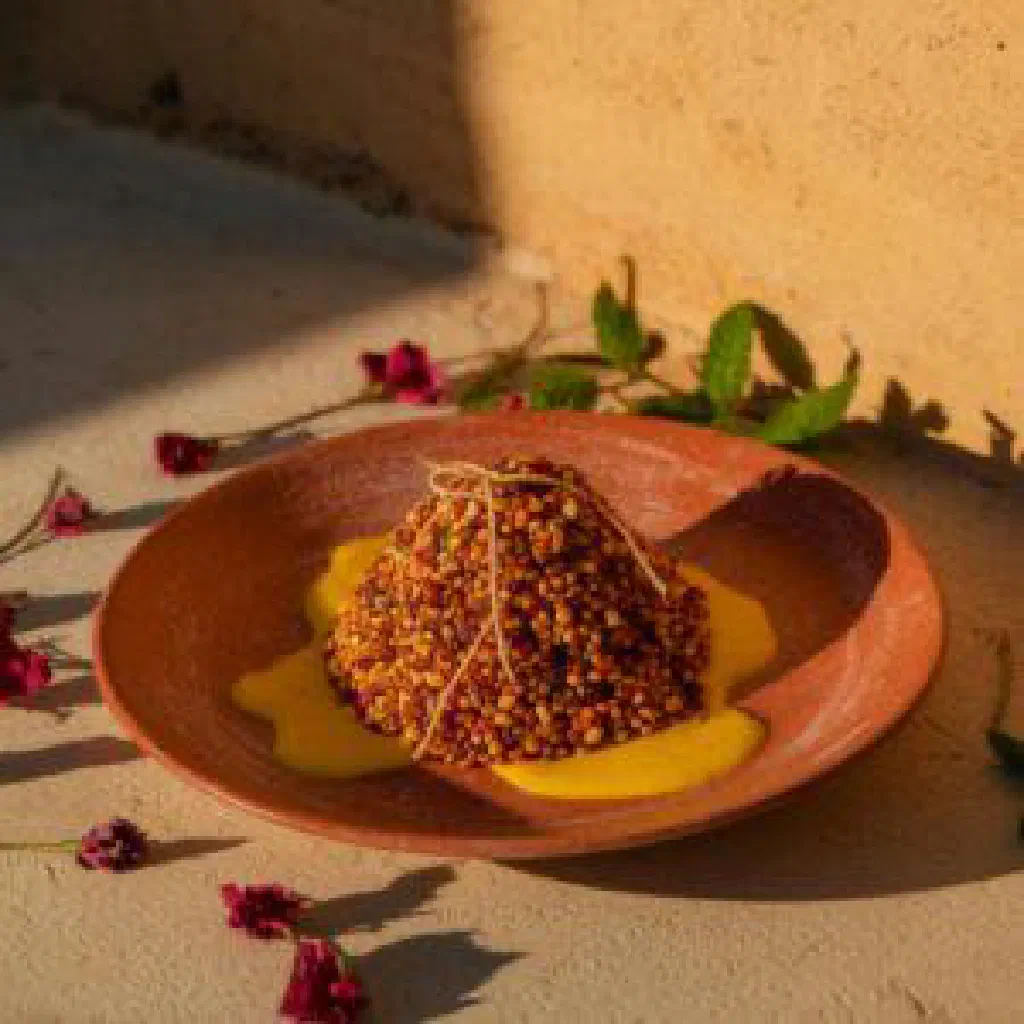
Presentation can noticeably improve the whole fonio experience. Serve the grain in a shallow bowl and garnish it with fresh herbs or toasted nuts. Brightly coloured diced vegetables alongside add contrast and make the plate far more inviting. An attractive arrangement makes the food taste better and look better in equal measure.
A bit of history
Fonio flour has a long history in West African cooking. It has been valued as a staple in Mali and neighbouring countries for centuries, thanks to the grain’s ability to thrive in difficult climates and its remarkably short growing cycle. Communities across the Sahel built entire seasons of eating around it, and it remains central to Malian cuisine today. Fonio is now gaining international attention as a genuine superfood.
More recipe ideas
Summary: Fonio Flour
Fonio flour is a delicious, deeply nourishing dish with a firm place in Malian cooking. It is simple to prepare and endlessly open to adaptation. Fonio enriches any meal with its warm, earthy character. Explore the variety and the flavours of Mali and enjoy this excellent grain for yourself.