National Dish Mali: Maize Couscous (Recipe)
In this article
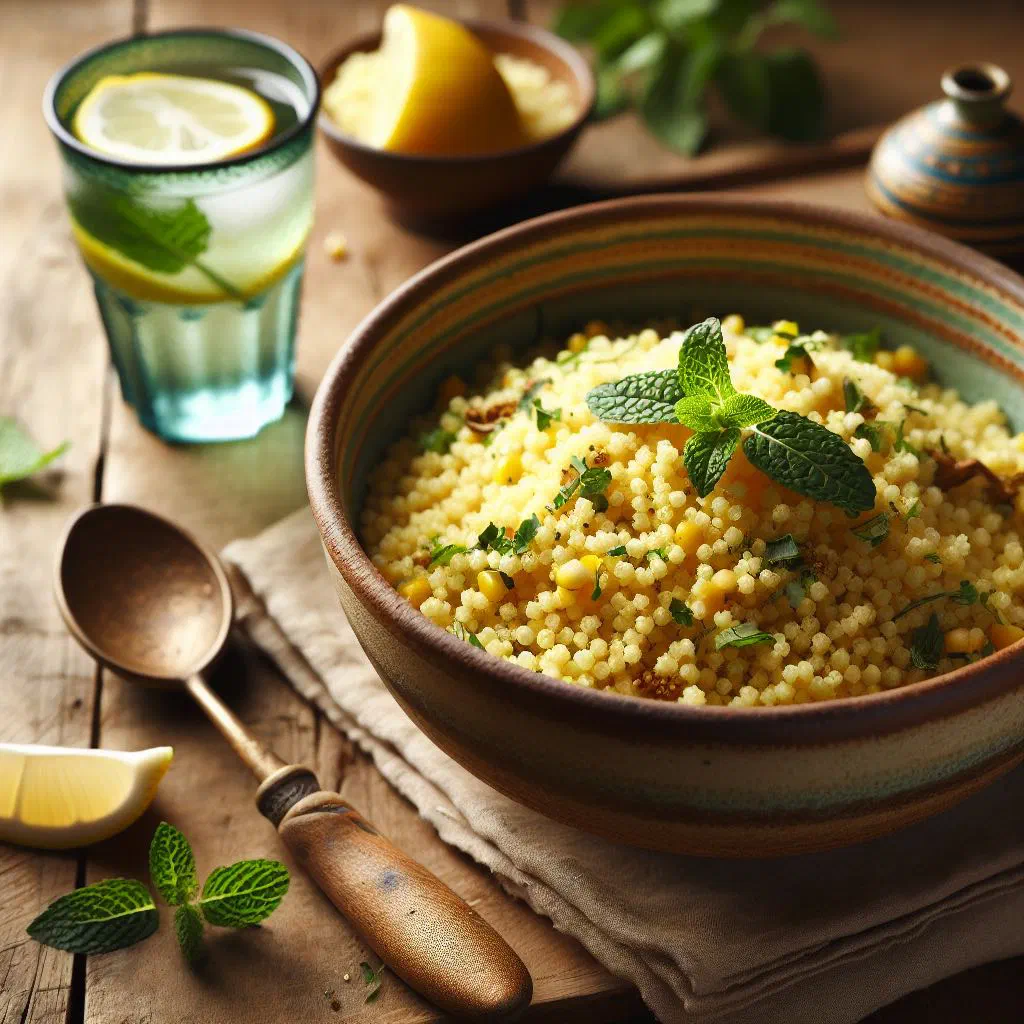
Discover Maize Couscous, a golden West African staple that turns humble maize into something quietly spectacular. Nutty, gently spiced and studded with sweet carrots and peppers, it is the kind of dish that fills the kitchen with warmth long before it reaches the table. Simple to make and endlessly forgiving, it is a perfect first step into the flavours of Mali.
About Maize Couscous
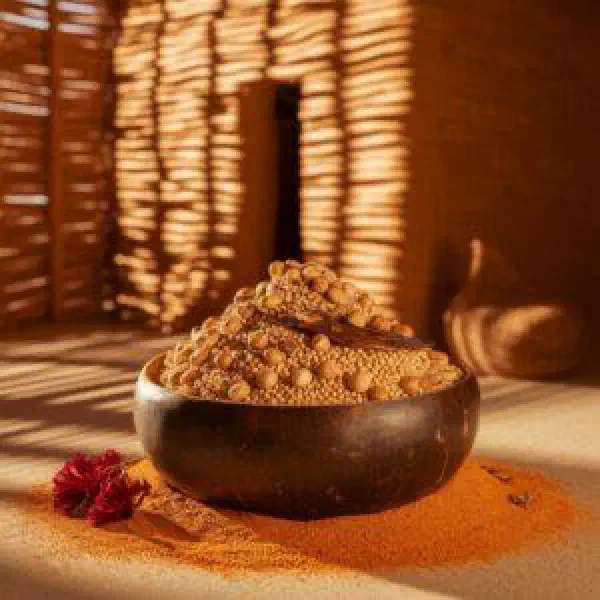
Maize Couscous is a traditional dish from Mali, prized for its nutty flavour and its rich layering of aromas. Built around maize, it makes an excellent base for all manner of side dishes and stands up perfectly well as a main course in its own right. The combination of well-seasoned ingredients and fresh vegetables makes it not only tasty but genuinely nourishing. This recipe is an ideal way to get to know Malian cooking, and it is refreshingly easy to prepare.
Ingredients (serves 1–2)
- 200 g maize grains
- 500 ml water
- 1 onion, finely chopped
- 2 carrots, diced
- 1 pepper, diced
- 3 tablespoons olive oil
- 1 teaspoon paprika
- 1 teaspoon garam masala
- Salt and pepper to taste
Shopping for the ingredients
When shopping for maize couscous, it is worth choosing good-quality produce. Look for fresh vegetables in particular, the onion, carrots and pepper all matter here. These ingredients bring not just flavour but colour and nutrients to the finished plate. Buy the maize grains from an African or Asian grocery, where you are most likely to find them at their freshest.
Preparing the dish
Preparation for maize couscous is straightforward and quick. Begin by washing and preparing everything: chop the vegetables and measure out the maize. If you like, you can lightly toast the maize grains before cooking to deepen their nutty character. From there, the dish comes together in just a handful of steps, an easy, rewarding cook.
Step-by-step instructions
- Bring the water to the boil in a large pan.
- Add the maize grains and simmer for about 15 minutes, until tender.
- In a separate pan, heat the olive oil and fry the chopped onion until golden.
- Add the diced carrots and pepper and continue frying for a few minutes.
- Stir in spices such as paprika and garam masala and mix everything well.
- Tip the cooked maize into the pan and stir thoroughly so it is evenly combined.
- Season with salt and pepper, then serve.
Gluten-free / lactose-free version
Maize couscous is naturally gluten-free, since it is made entirely from maize. The dish contains no dairy either, which makes it an excellent choice for anyone with a gluten or lactose intolerance. Stick to unprocessed, pure ingredients to keep it wholesome and easy to digest.
Tips for vegans and vegetarians
For vegans and vegetarians, maize couscous is an obvious winner, since it can be made entirely without animal products. To make it more substantial, add beans or lentils, both rich in protein, the same trick that gives a hearty Salade De Niebe its staying power. Use fresh, seasonal produce wherever you can to get the most out of the flavours. The result is a nourishing, satisfying meal that happens to be completely plant-based.
More tips and tricks
One key tip when making maize couscous is to let it rest briefly before serving. This gives the aromas time to settle and mingle. You can also experiment with extra spices or herbs to bring the dish closer to your own taste. A scattering of fresh coriander or parsley right at the end lends the whole plate a welcome lift of freshness.
Adapting the recipe to your taste
The beauty of maize couscous lies in its versatility. It is easy to adapt simply by changing the vegetables, depending on what is in season or what you happen to fancy. Try adding courgette, aubergine or even spinach for extra texture and colour, much as you would in a plate of Legumes Sautes. That adaptability makes it a fine choice for any occasion, from a celebratory spread to a quick weeknight supper.
Ingredient substitutions
If something is missing from the cupboard, there is always an alternative for maize couscous. In place of olive oil, coconut oil gives the dish a rather different character. The spices can be varied too, depending on what you have, cumin, for instance, adds a lovely warm note. When choosing vegetables, buying seasonal and local will always give you the best results.
Drink pairing ideas
Refreshing drinks suit maize couscous particularly well. A cold, fruity juice such as mango or passion fruit complements the flavours perfectly, and a chilled Jus De Tamarin is another lovely match. If you prefer something alcoholic, a light, fruity beer or a white wine will underline the spicing nicely. Either way, the meal feels complete and your guests will be pleased.
Serving and presentation ideas
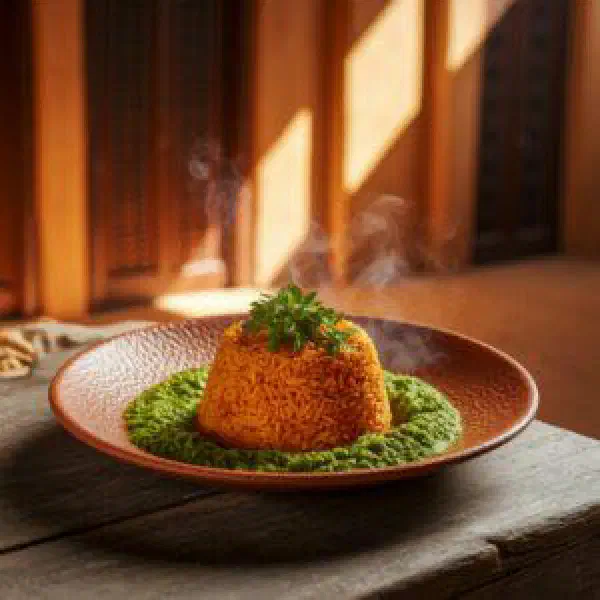
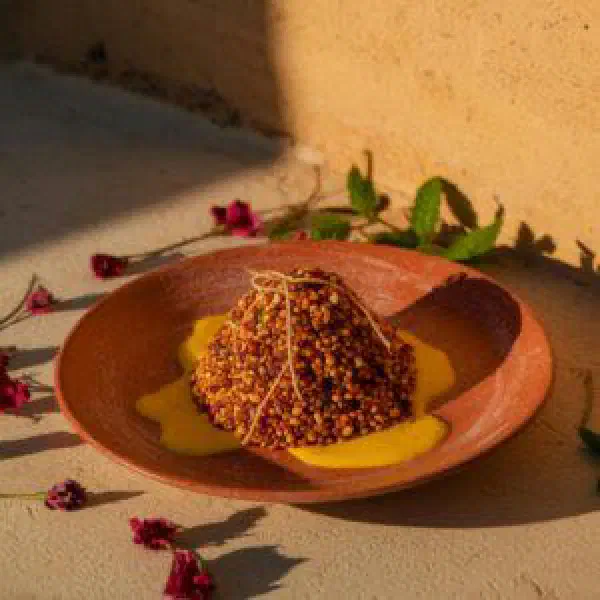
Presentation can lift the whole maize couscous experience. Serve it in a generous bowl and garnish with fresh herbs such as parsley or coriander. Vegetables in a variety of colours make for the most appealing plate. Decorative serving dishes help show the food off to its best advantage and lend the table a properly festive feel.
A bit of history
Maize couscous has its origins in Malian culture, shaped over centuries by the country’s many ethnic groups. The dish reflects the traditions and eating habits of a nation known for hearty, aromatic food. Maize is a staple across much of Africa and is prepared in countless forms. Making couscous is a genuine craft, passed down from one generation to the next, and is a symbol of Malian hospitality, one of the cornerstones of Malian cuisine.
More recipe ideas
Summary: Maize Couscous
Maize couscous is a simple, deeply flavourful dish that shows off the tastes of Mali beautifully. Perfect as a side or a main, it brings together the nutty notes of maize with a spread of spices that will keep your taste buds thoroughly entertained. Enjoy it with family or friends and let Malian cooking work its magic. Give this recipe a go and discover a piece of African culture on your own table.