National Dish Mali: Malian Peanut Stew (Recipe)
In this article
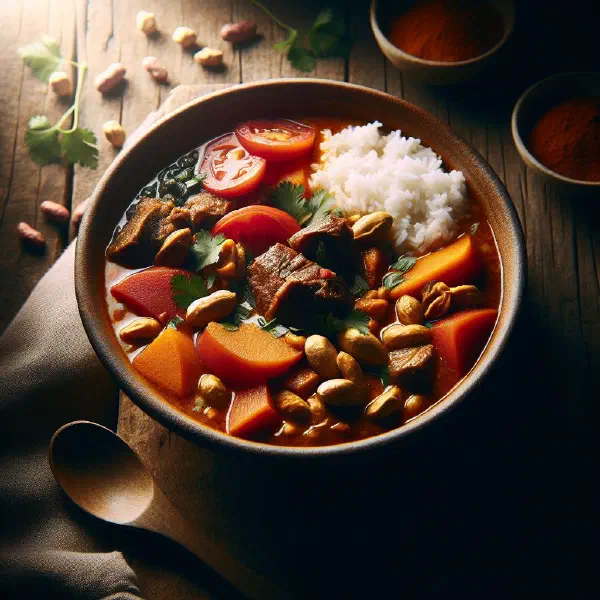
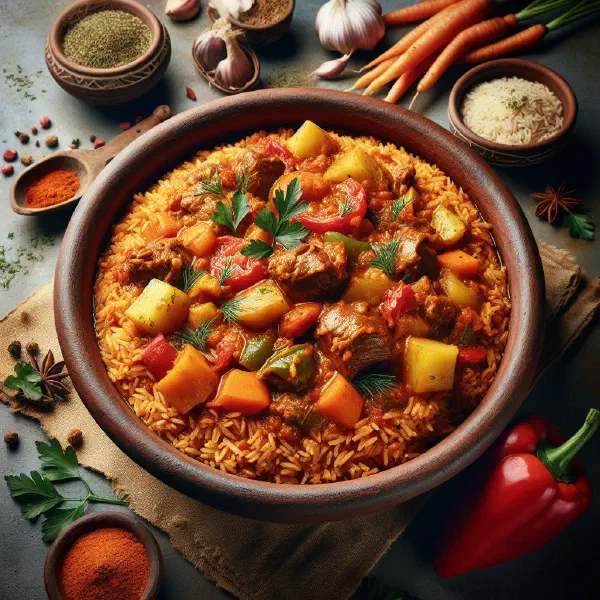
Few dishes capture the warmth of West African cooking quite like Malian Peanut Stew. Simple, everyday ingredients, meat or pulses, root vegetables, tomatoes and a generous scoop of peanut butter, melt together over a low flame into something rich, nourishing and deeply satisfying. It is a dish built for sharing, and one that fills the kitchen with an unmistakable nutty aroma long before it reaches the table.
About Malian Peanut Stew
Malian Peanut Stew is a much-loved dish across Mali, with roots that run deep through African cookery. It brings together straightforward but flavourful ingredients to create an aroma that is both nourishing and thoroughly filling. Its defining feature is the creamy peanut butter sauce, which gives the stew its characteristic taste. If you would like to discover the flavours of Mali, this stew is an outstanding place to begin.
Ingredients (serves 1–2)
- 300g meat (chicken or beef)
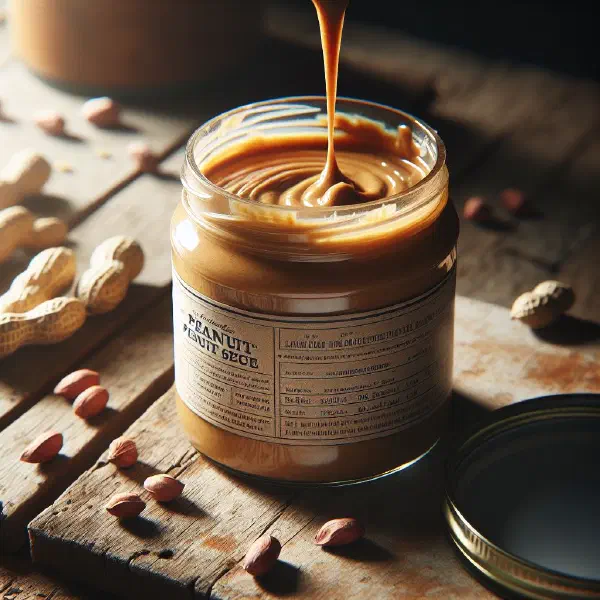
- 1 cup peanut butter
- 2 large carrots
- 1 onion
- 2 cloves of garlic
- 1 tin chopped tomatoes
- 1 litre vegetable or meat stock
- Spices (salt, pepper, paprika, cumin)
- Fresh vegetables of your choice (e.g. spinach, courgette)
Shopping for the ingredients
To track down the best ingredients for your peanut stew, head to a local market or a specialist African grocery. Make a point of choosing high-quality peanut butter made without additives. Fresh vegetables contribute a great deal to the flavour of the dish, so it is worth being particular about quality here. Any additional spices you need can usually be found in international food shops.
Preparing the dish
Getting the stew ready is uncomplicated, but the groundwork matters if you want the flavours to develop properly. Begin by cutting the meat into small pieces and dicing the vegetables. It is worth finely chopping the onion and the garlic cloves, as they release a great deal of flavour when fried. Prepare your spices too, so that everything is within easy reach once the cooking begins.
Step-by-step instructions
- Heat a little oil in a large pot and fry the onion and garlic until translucent.
- Add the meat and brown it nicely all over.
- Stir in the carrots and any other vegetables and fry briefly.
- Pour in the chopped tomatoes and the stock, then stir well.
- Add the peanut butter and mix everything together thoroughly.
- Season to taste and leave to simmer gently for 30 minutes.
- Serve with rice or fufu and enjoy.
Gluten-free / lactose-free version
Peanut stew is naturally gluten-free, which makes it a great option for anyone with a gluten intolerance. Do check, though, that your side dishes, rice or fufu, for example, are gluten-free alternatives as well. For a lactose-free version, use plant-based oils and make sure none of your ingredients contain dairy. That way everyone at the table can tuck in.
Tips for vegans and vegetarians
For a vegan or vegetarian take on the stew, simply swap the meat for protein-rich alternatives such as chickpeas or tofu. These soak up the flavours of the sauce beautifully, much as the pulses do in a bowl of Haricots Sauce Tomate. The stock can be replaced with a vegetable one to make the dish entirely plant-based. Experiment with different vegetables to fine-tune the balance of flavours.
More tips and tricks
The golden rule when cooking peanut stew is patience, so that the flavours have time to marry properly. You can also make it in a slow cooker, which brings the spices out more intensely. A squeeze of lemon juice just before serving adds a fresh note to the finished dish. If you enjoy experimenting, try different nuts or seeds for an extra bit of crunch.
Adapting the recipe to your taste
Peanut stew is easy to tailor to personal preference. If you like more heat, add fresh chillies or a spoonful of chilli powder. For a sweeter edge, sweet potatoes or pieces of mango make a superb addition. You can also vary the vegetables, aubergine or peppers work particularly well. Each version brings a new and exciting flavour experience.
Ingredient substitutions
If some ingredients prove hard to find, there are good alternatives. In place of chicken or beef you might use lentils, which are equally rich in protein. Para nut or cashew butter can stand in for peanut butter to achieve a different flavour, in the same spirit as the nut-based sauce in Sauce Arachide. The texture of the dish shifts slightly, which makes for an interesting experiment.
Drink pairing ideas
Fresh fruit juices or chilled teas make a delicious accompaniment to peanut stew. A hibiscus-based tea such as Bissap offers a fruity, refreshing note. Alternatively, a dry red wine goes splendidly with the hearty character of the stew. For an alcohol-free option, sparkling water with lime adds a lively lift that underlines the flavours of the dish.
Serving and presentation ideas
Presentation can noticeably improve the whole eating experience. Serve the stew in colourful bowls and garnish it with fresh herbs such as coriander or parsley. A scattering of peanuts on top provides an appealing crunch and a touch of colour. Plates of warm fufu or rice arranged around the stew create a welcoming, generous look.
A bit of history
Peanut stew has a long history in West African cooking and is often a symbol of hospitality. In Mali and other countries of the Sahel, the peanut is an important ingredient in many dishes and has evolved over centuries, as the closely related Maafe shows. The dish reflects cultural influences and local conditions alike, bringing together flavours passed down through generations. It is a wonderful way to celebrate the traditions of Malian cuisine on your own plate.
More recipe ideas
Summary: Malian Peanut Stew
Malian peanut stew is a flavourful dish that captures the tastes of Mali perfectly. It combines wholesome ingredients and leaves plenty of room for personal adjustment. The stew is straightforward to make and suits just about any occasion. Let this traditional dish work its magic and enjoy a piece of African culture on your plate.