National Dish Mali: Millet Cake (Recipe)
In this article
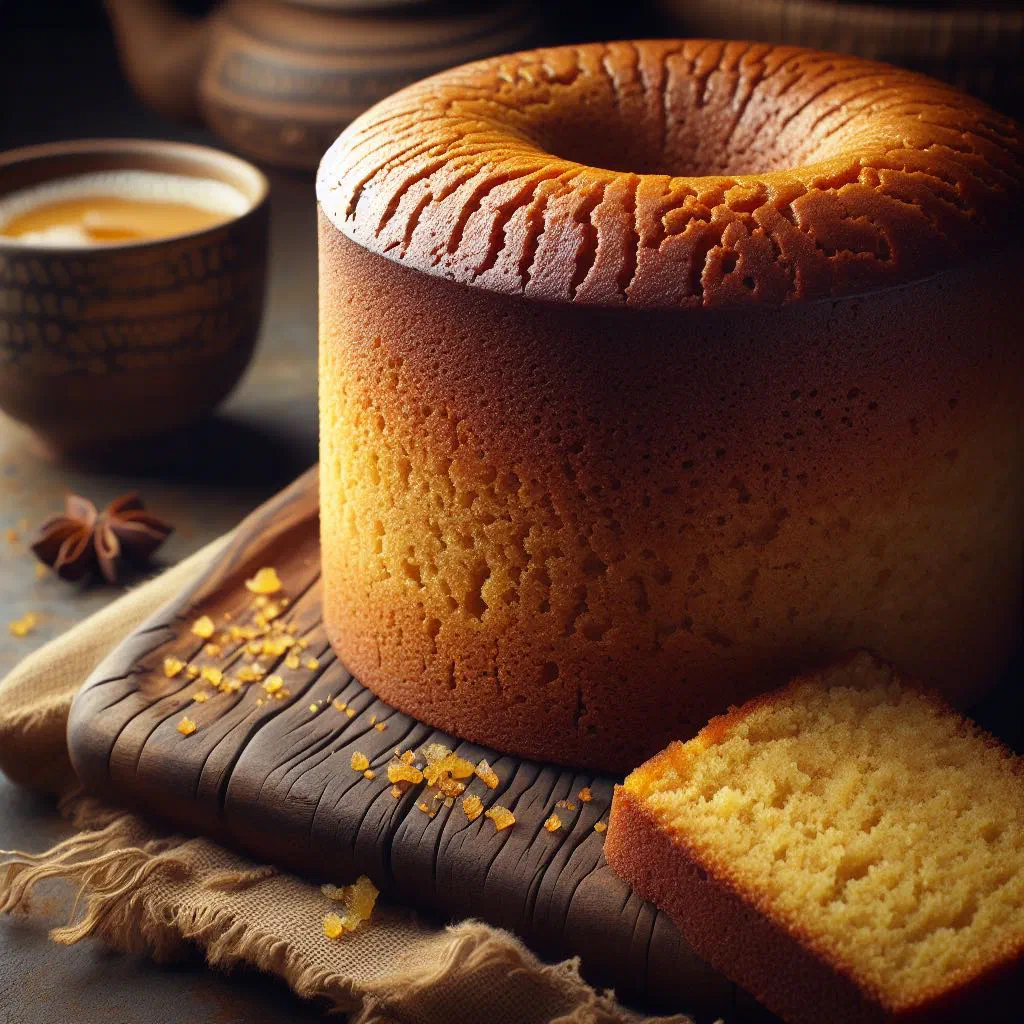
Discover Millet Cake, the sweet, golden bake that West Africa does so well. Made from finely ground millet flour, honey and a whisper of warm spice, this simple cake is nutritious, naturally wheat-free and quietly addictive. It works beautifully as an afternoon snack, as a light pudding after a spiced stew, or as the centrepiece of a friendly gathering, exactly the way it is enjoyed in Mali.
About Millet Cake
Millet Cake, known in Mali as gâteau de mil, is a traditional bake that is rich in both culture and flavour. The recipe reflects the country’s culinary heritage, in which millet is a staple grain of the first order. The cake is nourishing and has a pleasing, slightly crumbly texture and a gentle sweetness. It is often served on special occasions and is a small symbol of hospitality.
Ingredients (serves 1–2)
- 1 cup millet flour
- 1/2 cup water
- 2 tablespoons honey or sugar
- 1/4 cup vegetable oil
- 1 teaspoon baking powder
- A pinch of salt
Shopping for the ingredients
The ingredients for millet cake are easy to find in most supermarkets and health food shops. Millet flour is the main component and offers a naturally gluten-free alternative to wheat. When buying millet, look for grain that is fresh and of good quality so the full nutty flavour comes through. Honey can be swapped for sugar depending on what you prefer and what is to hand.
Preparing the dish
Before you start baking, measure out all the ingredients and set them within easy reach. This makes the whole process simpler and far more efficient. It is also worth rinsing the millet thoroughly before use to remove any dust or grit. Good preparation makes for a calmer bake and a better result on the plate.
Step-by-step instructions
- Preheat the oven to 180°C and lightly grease a baking tin.
- In a bowl, mix the millet flour, baking powder and salt together well.
- In a second bowl, combine the water, honey and oil and whisk until smooth.
- Pour the wet ingredients into the dry and stir until you have a smooth batter.
- Tip the batter into the prepared tin and level the surface.
- Bake in the preheated oven for 30 to 35 minutes, until golden brown.
- Let the cake cool for a few minutes before slicing and serving.
Gluten-free / lactose-free version
Millet cake is naturally gluten-free, since millet contains no gluten at all. That makes it a wonderful option for anyone with a gluten intolerance or coeliac disease. The use of vegetable oil and honey also keeps it entirely lactose-free. The base recipe is forgiving enough to be adjusted further for other allergies or intolerances.
Tips for vegans and vegetarians
This recipe is ideal for vegans, as it contains no animal products beyond the honey. Replace the honey with a plant-based sweetener such as maple or agave syrup and the cake becomes fully vegan. Do check that any other ingredients you add are vegan-friendly too. The adaptation is straightforward and takes nothing away from the finished bake.
More tips and tricks
For extra depth of flavour, add a splash of vanilla extract or a pinch of cinnamon to the batter. Experiment with different sweeteners to reach exactly the level of sweetness you want. The cake also takes well to chopped nuts or dried fruit, which give it more texture and interest. Serve it warm or cold. Both are excellent, though warm is hard to beat.
Adapting the recipe to your taste
Millet cake is easy to tailor to personal preference. If you want a more pronounced flavour, fold in chopped nuts or dried fruit before baking. For a sweeter cake, simply increase the honey or sugar to taste. The recipe is generous and leaves plenty of room for creativity, much as Bouillie De Mil does with the very same grain.
Ingredient substitutions
If millet flour is unavailable, maize flour will give you a similar result with a slightly different character. For a less sweet cake, replace the honey with agave syrup. Other plant oils, coconut oil in particular, work well and lend their own aroma to the crumb. Experimenting with substitutions is half the pleasure and often leads somewhere delicious.
Drink pairing ideas
Millet cake goes beautifully with tropical fruit juices or a simple cup of green tea. For a properly Malian experience, serve it with a glass of Bissap, the region’s ruby-red hibiscus drink. A cooling Jus De Baobab is another fine match for the cake’s gentle sweetness. Offering two or three options makes the table feel far more generous.
Serving and presentation ideas
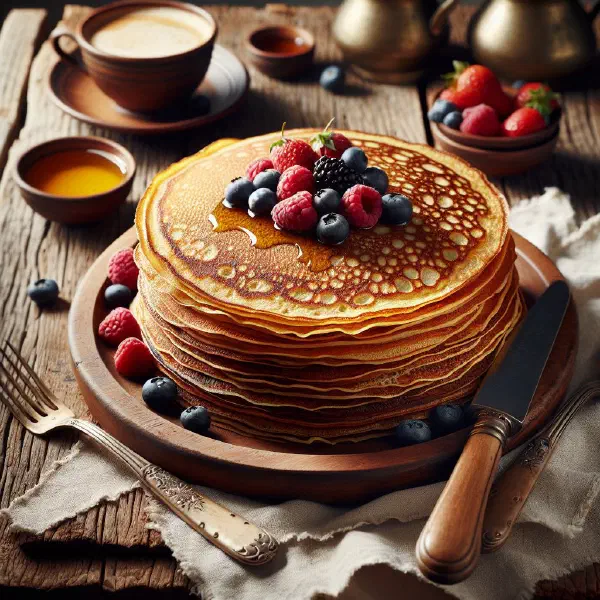
Presentation can lift millet cake from everyday to memorable. Serve it on a handsome platter and garnish with fresh fruit or a scattering of nuts. A light dusting of icing sugar adds a finishing touch that costs nothing. An attractive arrangement makes any dish feel that bit more inviting.
A bit of history
Millet cake has a long history in Malian kitchens and reflects just how central millet is to the country’s diet. The grain has been cultivated across West Africa for centuries and remains a true staple, appearing in everything from porridges to Couscous De Mil. Foods like this cake are not merely tasty but a meaningful part of cultural identity within Malian cuisine. Making and sharing it brings people together and keeps old traditions alive.
More recipe ideas
Summary: Millet Cake
Millet cake is a delicious and culturally significant bake from Mali, traditionally made with nothing more than millet flour, a little sweetness and good oil. With its fine texture and mellow flavour, it is both nourishing and remarkably versatile. Served as a dessert or as a snack with tea, it is a fine ambassador for West African baking. Easy to make and open to endless variation, it deserves a place in any curious cook’s repertoire.