National Dish Mali: Pastels (Recipe)
In this article
Meet Pastels, the crisp little savoury parcels that turn up everywhere from Mali’s roadside stalls to family celebrations. A thin, hand-rolled pastry is folded around a warmly spiced filling of meat, vegetables or fish, then fried until it blisters into a deep golden shell. They are equally at home as a quick snack, a party plate or a proper meal, and they capture the generous, sociable spirit of West African cooking in a single bite.
About Pastels
Pastels are more than a popular dish in Mali. They are a small emblem of West African food culture. These crisp pastry parcels take all sorts of fillings, from aromatic minced meat and fresh vegetables to flaked fish. They can be served as a snack or as a main course, which makes them just as suitable for festive occasions as for everyday eating. Every bite delivers a play of flavour and texture that is quite unlike anything else in the region’s kitchens.
Ingredients (serves 1–2)
- 250 g plain flour
- 150 ml water
- 100 g minced meat (beef or chicken)
- 1 onion, finely chopped
- 1 clove of garlic, crushed
- Salt and pepper, to taste
- Oil, for frying
Shopping for the ingredients
When shopping for pastels, it pays to pick fresh, good-quality produce. Head to a local market or a wholefood shop for crisp vegetables and well-butchered meat. It is also worth buying your spices fresh, as they do most of the work in lifting the filling. The quality of the oil you fry in matters just as much, a clean, neutral oil with a high smoke point gives the best results.
Preparing the dish
Preparation begins with a very simple dough of flour, water and a pinch of salt. Knead it thoroughly until it turns smooth and pliable, then let it rest. While the dough relaxes, get on with the filling: fry the minced meat with the onion and garlic until cooked through and fragrant, and season it well with salt and pepper. This is the same patient, unhurried approach that makes a good Riz Gras work.
Step-by-step instructions
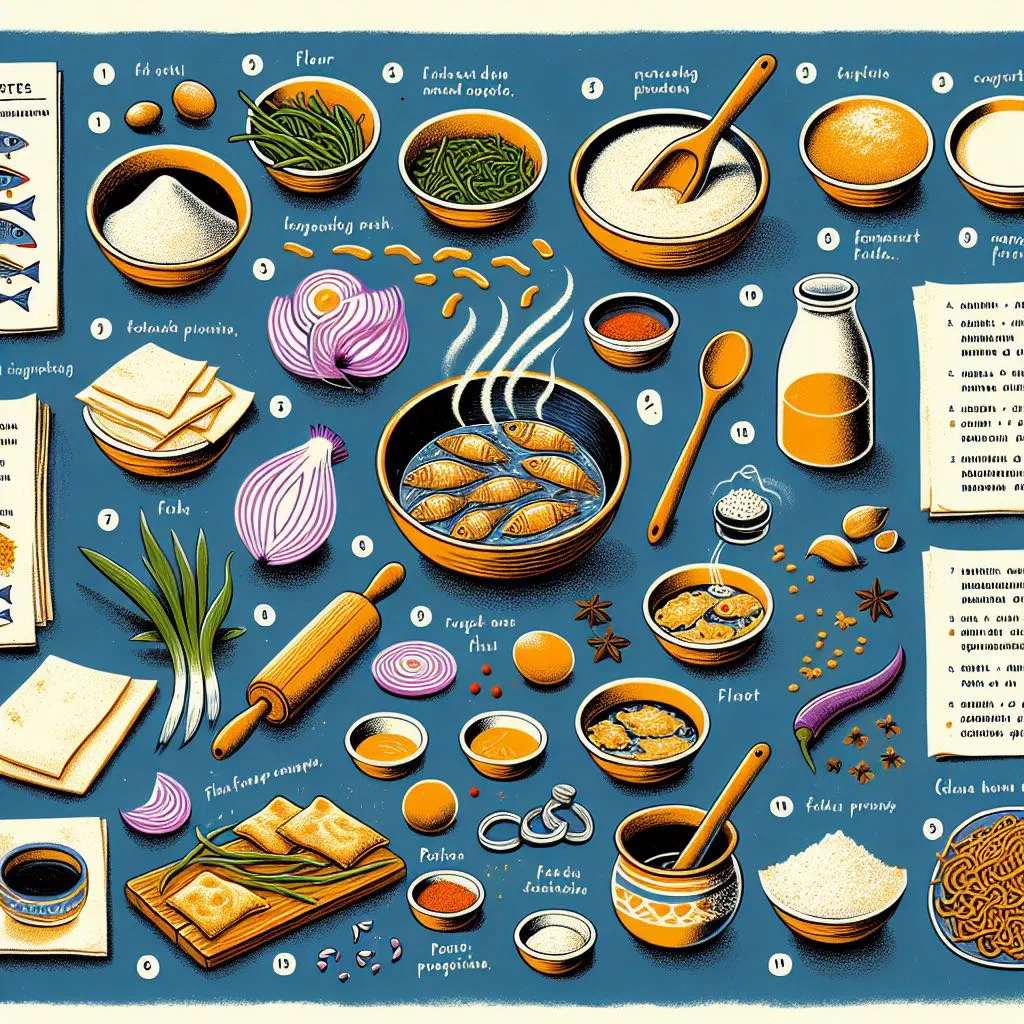
- Make the dough from flour, water and salt, then leave it to rest.
- Prepare the filling: fry the minced meat with the onion and garlic, and season.
- Roll the dough out thinly and cut it into circles of equal size.
- Place a spoonful of filling on each circle and seal the edges firmly.
- Deep-fry in hot oil until golden brown and crisp.
- Drain on kitchen paper and serve warm.
Gluten-free / lactose-free version
For a gluten-free version of pastels, replace the wheat flour with a blend of gluten-free flours such as rice or almond flour. Make the dough in exactly the same way, but adjust the amount of liquid so you reach the right consistency, gluten-free doughs often need a little more water and a longer rest. The recipe contains no dairy as it stands, so it is naturally suitable for anyone who is lactose-intolerant; just check that any dipping sauce you serve alongside is dairy-free too.
Tips for vegans and vegetarians
Vegans and vegetarians can adapt the filling of pastels without much effort by turning to plant-based ingredients. A mixture of finely chopped vegetables, lentils or tofu makes a hearty, protein-rich alternative. Spices such as cumin, paprika or chilli give the filling extra depth. Experiment with different vegetable combinations to develop a version that is entirely your own, much as you would with a bowl of Sautéed Vegetables.
More tips and tricks
The single most important tip for perfect pastels is to seal the edges properly before frying so that the filling cannot escape. A little water brushed along the rim, or an egg-replacer wash, does the job nicely. Make sure the oil is thoroughly preheated so the pastries brown evenly rather than soaking up fat. You can also bake pastels in the oven if you would rather avoid deep-frying. They come out less oily but every bit as tasty.
Adapting the recipe to your taste
The pastels recipe is remarkably flexible and easy to shape around your own preferences. Try different kinds of meat, or add dried fruit such as apricots or dates to the filling for a sweeter note. The spicing can be varied freely too, so the dish becomes exactly what you want it to be. Do keep an eye on the overall balance, though: the flavours should complement one another rather than compete.
Ingredient substitutions
If certain ingredients are hard to come by, straightforward alternatives will serve you well. Instead of minced meat, crumble a ready-made plant-based burger patty for a meat-free filling. Leeks or chives can stand in for onions and give the filling a gentler, greener character. Frying can also be swapped for grilling or baking, which makes for a lighter result, and if you have fish to hand, take inspiration from Boulettes De Poisson Maliennes.
Drink pairing ideas
To round out a plate of pastels, there are plenty of drinks that support the flavours. A light lager or a freshly brewed mint tea is the traditional match. Alcohol-free options such as a fruit cordial, a glass of Bissap or simply water with a squeeze of lime work beautifully as well. For a savoury meal, a well-chilled rosé makes a refreshing choice.
Serving and presentation ideas
Presentation plays a real part in serving pastels. Arrange the parcels on a large platter and scatter them with fresh coriander or other herbs for an appealing finish. Serve them with a punchy dipping sauce or a yoghurt dressing to add freshness and contrast. For special occasions, plate them in small portions on individual dishes, an elegant way to present what is essentially humble street food.
A bit of history
The story of pastels reaches a long way back and reflects the culinary variety of West Africa. The dish has its roots in Malian tradition and is popular across neighbouring countries too, where similar parcels appear under different names. Their rich aromas and versatile fillings speak to the culture and geographical diversity of Mali, and over time the recipes have evolved further, with each region contributing its own methods and ingredients to the wider story of Malian cuisine.
More recipe ideas
Summary: Pastels
In short, pastels are a delicious and versatile dish that pleases the palate and brings a cheerful, sociable mood to the table. Because both the filling and the method can be adjusted so freely, anyone can arrive at their own ideal version. Let them inspire you and bring a little piece of Mali into your kitchen, enjoy the cooking, and enjoy the eating even more.