National Dish Mali: Soupe de Gombo (Recipe)
In this article
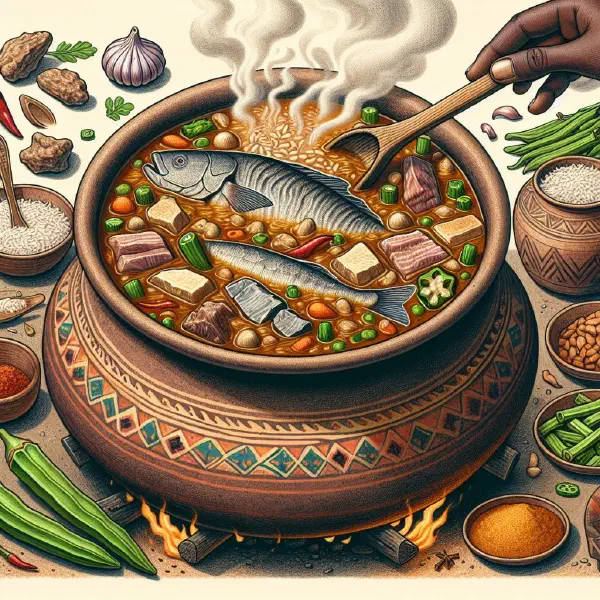
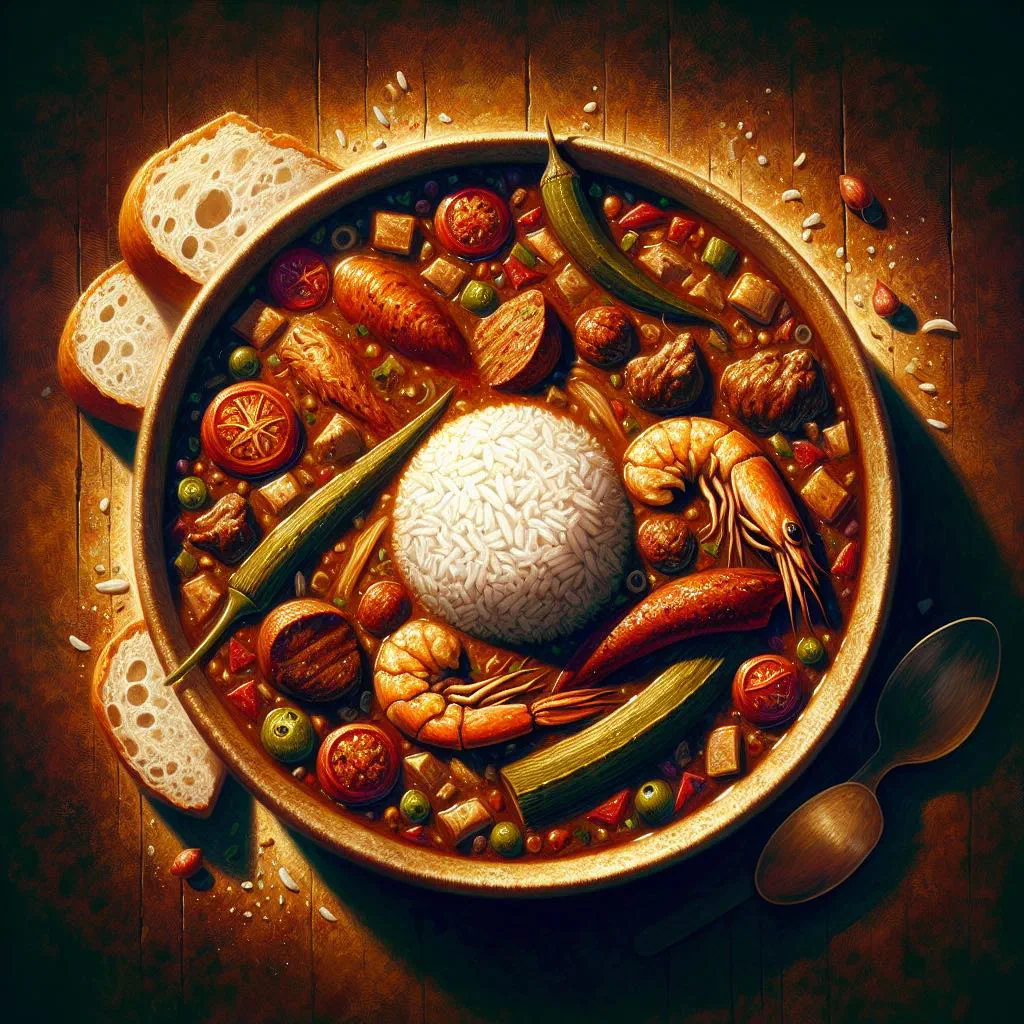
Discover Soupe de Gombo, the hearty okra soup that sits at the very heart of Malian home cooking. Silky, gently thickened and generous with fresh vegetables, it carries the warm flavours of West Africa in a single bowl. A little palm oil, a handful of aromatics and a piece of fish or chicken are all it takes. Nourishing, comforting and far simpler to make than its rich taste suggests.
About Soupe de Gombo
Soupe de Gombo is a genuine highlight of Malian cooking and a fine reflection of the rich culinary traditions of West Africa. This hearty okra soup is delicious and brings a range of nutritional benefits to the table. Okra is high in fibre, vitamins and minerals, which makes it a genuinely wholesome choice. The soup is usually enriched with regional ingredients such as fish or meat, adding extra depth of flavour along with valuable protein.
Ingredients (serves 1–2)
- 200 g fresh okra
- 1 onion, finely chopped
- 2 cloves of garlic, crushed
- 1 litre vegetable or fish stock
- 200 g fish fillet or chicken breast
- 2 tablespoons palm oil
- 1 teaspoon paprika
- Salt and pepper to taste
- Fresh coriander leaves, to garnish
Shopping for the ingredients
To make soupe de gombo properly, it pays to shop for fresh, good-quality ingredients. Visit a local market or an African or Asian grocery to find fresh okra, as it is not always stocked in ordinary supermarkets. When choosing your fish or meat, look for regional produce, which helps preserve the authenticity of the dish. Do not forget the seasonings either, paprika and fresh coriander leaves are what give the soup its final polish.
Preparing the dish
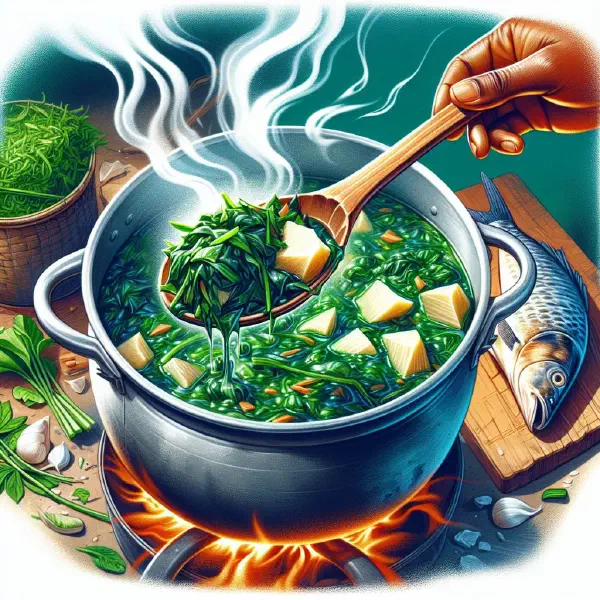
Getting soupe de gombo ready is a straightforward and rather relaxing process. Begin by washing the okra thoroughly and cutting it into small pieces. While you work, chop the onion and garlic so they are ready to go into the pot. The prepared vegetables form the base of the soup, and cutting everything to a consistent size ensures even cooking and a tidy look when you serve.
Step-by-step instructions
- Heat the palm oil in a large pan over a medium heat.
- Add the onion and garlic and fry until golden brown.
- Tip in the okra and sauté briefly.
- Pour in the stock and bring everything to the boil.
- Add the fish fillet or chicken breast and let the soup simmer for a further 15–20 minutes.
- Season with paprika, salt and pepper, then stir well.
- Serve the soup hot, topped with fresh coriander leaves.
Gluten-free / lactose-free version
Soupe de gombo is naturally gluten-free and lactose-free, which makes it an ideal choice for anyone with those intolerances. Stick to natural ingredients and avoid pre-packaged stocks, which can hide sources of gluten. It is worth checking that your spices and oils are free from additives as well. The result stays light, easy to digest and every bit as flavourful.
Tips for vegans and vegetarians
To make soupe de gombo vegan or vegetarian, simply swap the meat for vegetables or plant-based proteins. Soya or seitan pieces work particularly well, adding both texture and savoury depth. Do make sure the stock you use is vegan so the whole dish is genuinely suitable. Adding more vegetables such as carrots or sweet potatoes will boost the nutritional value and round out the flavour still further.
More tips and tricks
A few small adjustments make soupe de gombo even better. Experiment with different spices, such as cumin or chilli, to tune the dish to your own palate. You can also shorten the cooking time of the okra if you prefer a firmer bite. The key thing is not to cook the ingredients for too long, so the fresh taste of the okra is preserved, the same principle that applies to the closely related Soupe Kandia.
Adapting the recipe to your taste
Soupe de gombo adapts very easily to personal preference. If you like more heat, stir in fresh chilli or a spoonful of harissa to sharpen the whole thing up. For a more seafood-led version, add prawns or mussels, both of which sit happily in the broth. Let your imagination run and shape the recipe until it reflects exactly what you enjoy.
Ingredient substitutions
If some of the ingredients for soupe de gombo are not to hand, there are plenty of workable alternatives. In place of okra, try green beans or broccoli for a comparable flavour and texture. For the stock, chicken or vegetable will both do nicely, depending on which direction you want the soup to take. A spoonful of ground peanut, as used in Sauce Arachide, is another good way to add body.
Drink pairing ideas
Several drinks work beautifully alongside soupe de gombo. A lightly chilled white wine or a refreshing ginger beer harmonises splendidly with the flavours of the soup, and a homemade Jus de Gingembre does the job just as well. For an alcohol-free option, sparkling water with a squeeze of lemon is hard to beat. All of these complement the dish without distracting from its taste.
Serving and presentation ideas
The presentation of soupe de gombo can be lifted with a few simple touches. Serve it in decorative bowls and garnish with fresh coriander leaves and a squeeze of lemon. That adds not only freshness but real visual appeal. A nice tablecloth and matching crockery complete the experience, especially if you set out a plate of Poisson Braise alongside.
A bit of history
Soupe de gombo has deep cultural roots in Mali and across West Africa. The use of okra and other local ingredients shows how closely diet is bound up with geography and the resources at hand. Historically the soup has been handed down from one generation to the next, contributing to the identity and traditions of the Malian people. It stands not only for enjoyment but for the passing on of cultural values, and it remains one of the cornerstones of Malian cuisine.
More recipe ideas
Summary: Soupe de Gombo
Soupe de gombo is a wonderful example of Malian cooking and brings the flavours of West Africa straight into your kitchen. Made with fresh ingredients and open to endless variation, it suits a wide range of tastes and dietary needs. This soup delivers on both nutrition and flavour. Let the sheer breadth of possible variations inspire you and enjoy this traditional dish.