National Dish Mali: Tiga Dégué (Recipe)
In this article
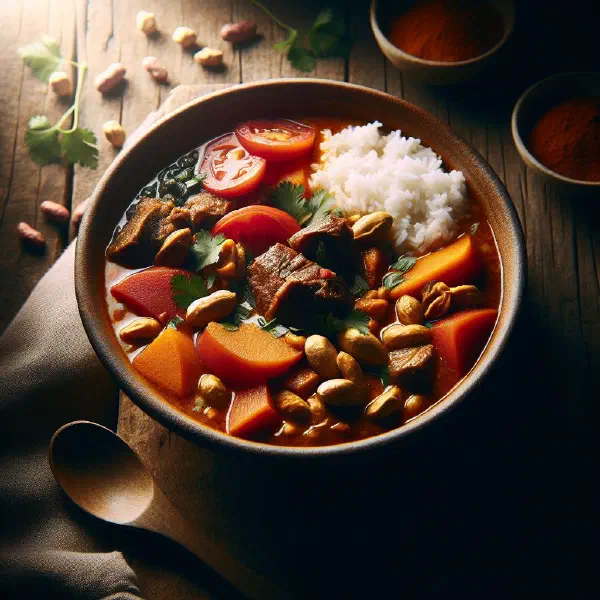
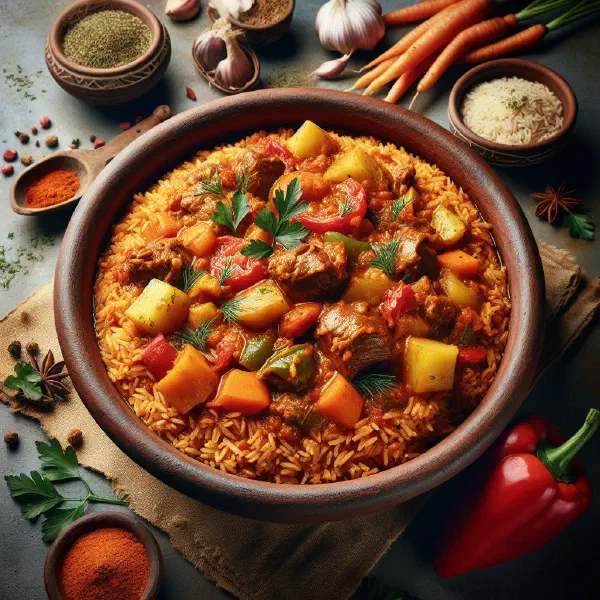
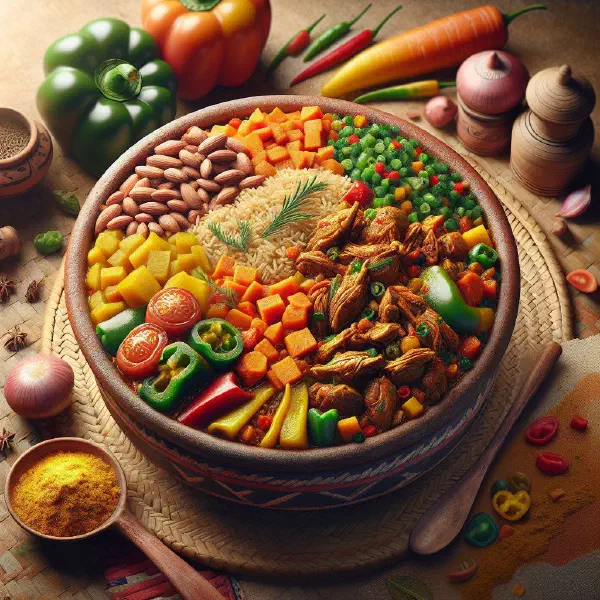
Meet Tiga Dégué, the dish Mali serves when there is something worth celebrating. Tender pieces of chicken are gently braised in a thick, glossy peanut sauce scented with ginger, garlic and tomato, then spooned over a mound of rice or millet. It is warming, generous and deeply savoury, the sort of food that fills a kitchen with a wonderful smell long before anyone sits down to eat.
About Tiga Dégué
Tiga Dégué is far more than a plate of food. It is a piece of Malian culture. In this traditional recipe, tender cubes of chicken are simmered in a rich, aromatic peanut sauce. What sets it apart is the balance of its bold flavours and the velvety texture of the sauce, which marries beautifully with a side of rice or millet. As a national dish, Tiga Dégué reflects the produce and the palate of West Africa, and it stands for hospitality and for coming together around one table. Close cousins of it turn up right across the region, from Maafe to a simple Sauce Arachide.
Ingredients (serves 1–2)
- 300 g chicken, cut into cubes
- 2 tablespoons groundnut oil
- 1 onion, finely chopped
- 2 cloves of garlic, crushed
- 1 teaspoon fresh ginger, grated
- 200 ml tomato passata or puréed tomatoes
- 200 g creamy peanut butter
- 500 ml chicken stock
- 1 pinch of cayenne pepper
- Salt and black pepper to taste
- For the side: 150 g rice or millet
Shopping for the ingredients
For an authentic result, use the freshest, best-quality ingredients you can find. Any cut of chicken will do, though breast or thigh meat works particularly well thanks to its low fat content and tenderness. When choosing the peanut butter, check that it is made from 100% peanuts, with no added sugar or oil, so the characteristic flavour of the sauce comes through cleanly.
Preparing the dish
Get everything ready before you start cooking: cut the meat, chop the onion and garlic, and grate the ginger. Have the stock to hand as well, and measure out the peanut butter and the tomato passata. A good tip is to line all the ingredients up near the hob, which makes the cooking itself far simpler and lets you keep an eye on the sauce as it thickens.
Step-by-step instructions
- Heat the groundnut oil in a pan and fry the onion until translucent.
- Add the garlic and ginger and cook briefly until fragrant.
- Add the chicken and brown it all over until it takes on colour.
- Pour in the tomato passata and stir through.
- Stir in the peanut butter and the chicken stock until you have a smooth, homogeneous sauce.
- Reduce the heat and let it simmer for 45 minutes, stirring occasionally.
- Season to taste with cayenne pepper, salt and black pepper.
- Meanwhile, cook the rice or millet according to the packet instructions.
- Serve the finished dish with the side of your choice.
Gluten-free / lactose-free version
Tiga Dégué is naturally gluten-free and lactose-free, which makes it an easy dish to put in front of guests with dietary restrictions. The only thing to watch is the stock, some cubes and pastes contain wheat as a thickener, so check the label or use a homemade one. Rice and millet are both gluten-free by nature, so the plate as a whole needs no adjusting at all.
Tips for vegans and vegetarians
The peanut sauce is so full-flavoured that it hardly misses the meat. Swap the chicken for firm tofu or chickpeas and use vegetable stock in place of chicken stock, and you have a thoroughly vegan version. Browning the tofu properly before it goes into the sauce helps it hold its shape through the long simmer, and a handful of sweet potato adds body.
More tips and tricks
To make the dish even more authentic, add sweet potatoes or carrots and let them braise alongside the chicken. A squeeze of lime juice at the end of cooking brings a refreshing lift that cuts through the richness of the peanuts. Keep the heat low throughout, a peanut sauce catches and scorches easily if it boils hard, and patient slow simmering is what gives it that silky finish.
Adapting the recipe to your taste
If you like things hotter, add fresh chillies or chilli powder on top of the cayenne pepper. Vegetarians can replace the chicken with firm tofu or chickpeas. The side is open to interpretation too: rice is the usual choice, but millet, fonio or a plate of Couscous De Mil all soak up the sauce just as happily.
Ingredient substitutions
If peanut butter is off the menu, almond or cashew butter makes a fine stand-in and gives the sauce a slightly sweeter, more delicate character. Vegetable stock can replace the chicken stock to keep the dish vegetarian, and if you have no passata, a tin of chopped tomatoes blitzed smooth works perfectly well. Groundnut oil can be swapped for any neutral cooking oil.
Drink pairing ideas
A cold beer is the traditional partner for this hearty dish. Failing that, fresh and fruity drinks are the way to go, ginger beer, a citrus smoothie, or a tall glass of tart Bissap all balance the richness of the peanut sauce nicely. Plain water with plenty of ice never goes amiss either.
Serving and presentation ideas
Serve Tiga Dégué in a deep bowl, with a mound of rice or millet in the middle, and ladle the aromatic peanut sauce over the top. A scattering of freshly chopped coriander or spring onions adds colour and a bright, grassy note. Serving from one large communal dish, as is customary in Mali, turns the meal into exactly the shared occasion it is meant to be.
A bit of history
The word tiga means peanut, and dégué is a general term for any kind of sauce in Mali. Since their arrival from South America, peanuts have taken a firm hold in the Malian kitchen and are now grown widely across the country. Tiga Dégué represents the local adaptation of that new crop and its marriage with much older cooking techniques, one of the clearest examples of how Malian cuisine absorbs an ingredient and makes it entirely its own.
More recipe ideas
Summary: Tiga Dégué
Tiga Dégué is a versatile dish that captures the richness of Mali’s culinary culture. With its careful balance of flavours and a filling side to soak up the sauce, it makes a satisfying meal that suits both special occasions and an ordinary weeknight. Give it the slow simmer it deserves, serve it generously, and you will understand why this peanut stew has become the country’s best-loved plate.