National Dish Mauritania: Camel Tagine (Recipe)
In this article
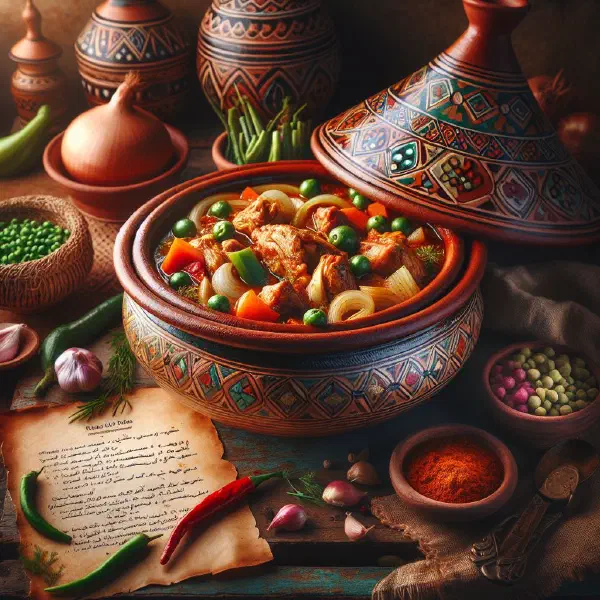
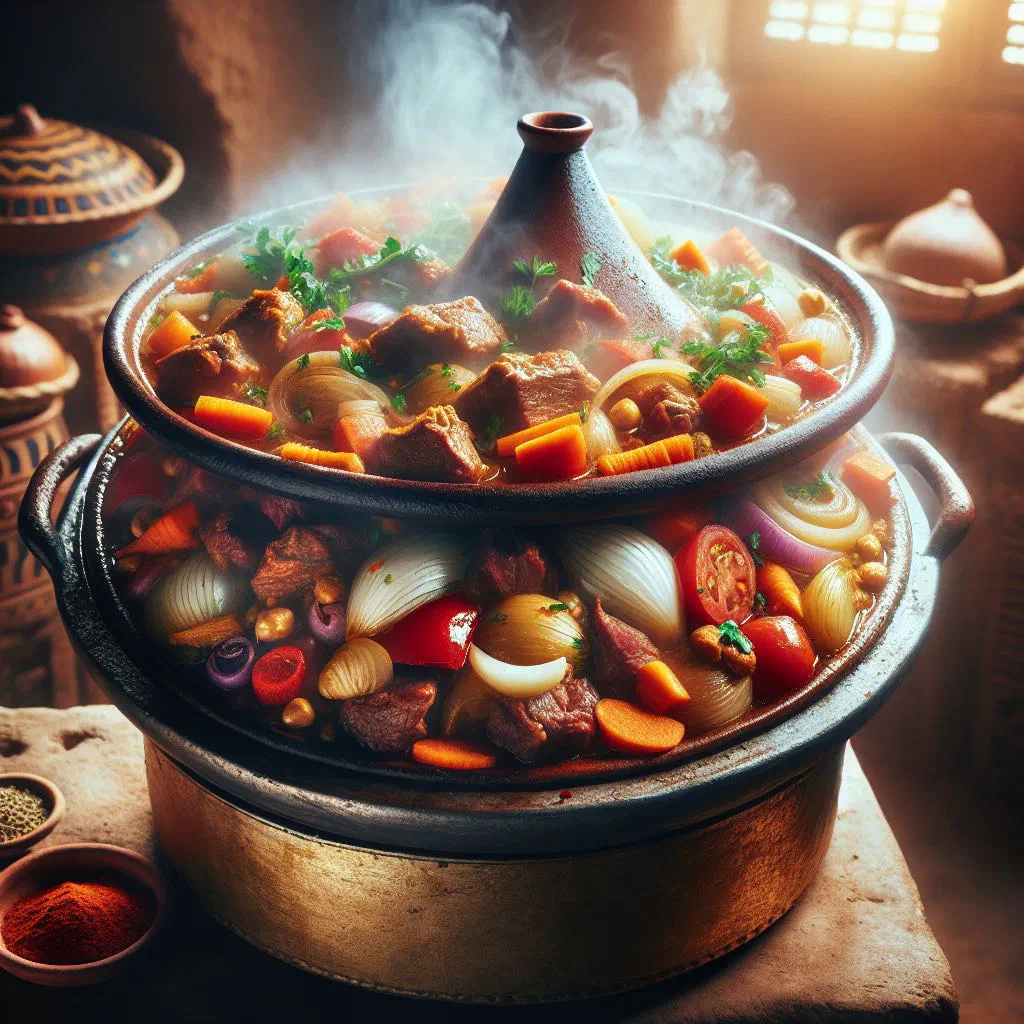
Discover Camel Tagine, a proud emblem of Mauritania’s table and a gateway to the hearty flavours of North Africa. Tender meat is slow-braised with vegetables and a warming blend of spices in a traditional clay pot, until every mouthful is rich, fragrant and deeply satisfying. Perfect for festive gatherings, it brings a taste of the desert’s culinary heritage straight into your own kitchen. No passport required.
About Camel Tagine
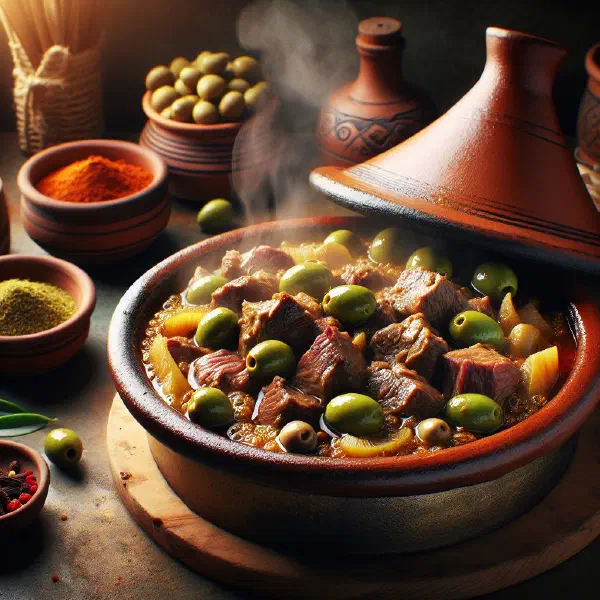
Camel Tagine is a traditional dish from Mauritania that reflects the deep cultural roots of North Africa. Its preparation calls for a characteristic clay pot, which coaxes the fullest flavour from every ingredient. The dish is built around tender camel or beef, first steeped in a range of spice-rich marinades. The interplay of meat, vegetables and warm spices makes camel tagine an absolute highlight of any meal, and a fine introduction to the wider world of Mauritanian cuisine.
Ingredients (serves 1–2)
- 500g camel or beef
- 2 onions, diced
- 2 carrots, sliced
- 1 pepper, diced
- 2 cloves garlic, chopped
- 1 tsp cumin
- 1 tsp paprika
- 1 tsp cinnamon
- Olive oil
- Salt and pepper to taste
- Fresh parsley, to garnish
Shopping for the ingredients
To make a delicious camel tagine, you will need to track down the right ingredients. Choosing good-quality camel or beef is crucial, as the meat shapes the flavour of the whole dish. Visit your local butcher or a specialist food shop to find fresh produce. Try to pick organic spices too, so you can enjoy the full aroma of North African cooking. If camel is hard to come by, the same slow-braised approach shines in a Camel Stew.
Preparing the dish
Before you start cooking, it is important to prepare all the ingredients properly. Cut the meat into even pieces so it cooks at a uniform rate. The vegetables should be washed well and neatly sliced to bring out their texture and flavour. Marinating the meat in a mixture of spices and a little olive oil for at least an hour, and ideally overnight, gives the dish a far deeper depth of flavour.
Step-by-step instructions
- Heat a little olive oil in a clay pot and sauté the onions and garlic until soft.
- Add the marinated meat and brown it all over.
- Stir in the sliced vegetables and season with cumin, paprika, cinnamon, salt and pepper.
- Cover the clay pot and let the dish simmer over low heat for about 1.5 to 2 hours.
- Check now and then that there is still enough liquid in the pot, adding a splash of water if needed.
- Garnish the finished dish with fresh parsley and serve hot.
Gluten-free / lactose-free version
Camel tagine can be made gluten-free and lactose-free without any trouble, as the main ingredients are simply meat and vegetables. Just be careful not to use any gluten-containing extras such as certain stocks or ready-made blends. Reach for fresh spices and check the labels on anything shop-bought to make sure it is free of gluten or lactose. That way nothing stands between you and this dish, whatever your dietary needs.
Tips for vegans and vegetarians
For vegan or vegetarian versions of camel tagine, you can swap the meat for tofu or seitan. These protein-rich alternatives soak up the spices beautifully and make a delicious stand-in. Combine a variety of vegetables such as aubergine, squash and courgette to boost the nutritional value and add an appealing splash of colour. This gives your dish a hearty flavour and a lovely look.
More tips and tricks
To get the very best from your camel tagine, take care to cut all the ingredients into even pieces, which ensures uniform cooking. Experiment with extra spices such as ginger or saffron to create your own signature flavour. Stir the dish gently so the aromas are spread evenly without breaking up the pieces.
Adapting the recipe to your taste
One of the best things about camel tagine is its versatility. You can adjust the spices and vegetables to suit your palate and create a dish that is entirely your own. Add dried fruit such as apricots or raisins, for instance, to introduce a gentle sweetness that harmonises beautifully with the savoury notes. You can also tune the dish to your guests’ preferences to please every palate around the table.
Ingredient substitutions
If you do not have certain ingredients to hand, there are plenty of alternatives to fall back on. Should camel or beef prove hard to find, lamb makes an excellent choice, since it absorbs the spices just as well. Try it in a Lamb Tagine. With the vegetables, use whatever is available locally to adapt the recipe. Be creative with the spices, too, sometimes unexpected combinations reveal wonderful new flavours.
Drink pairing ideas
A delicious camel tagine is best paired with aromatic wines or a refreshing mint tea. A dry rosé or a light red wine harmonises perfectly with the dish’s savoury notes. For an alcohol-free option, a fresh lemon and ginger tea is an excellent choice that complements the tagine’s spices. Be sure to chill the drinks well by serving time to round off the whole experience.
Serving and presentation ideas
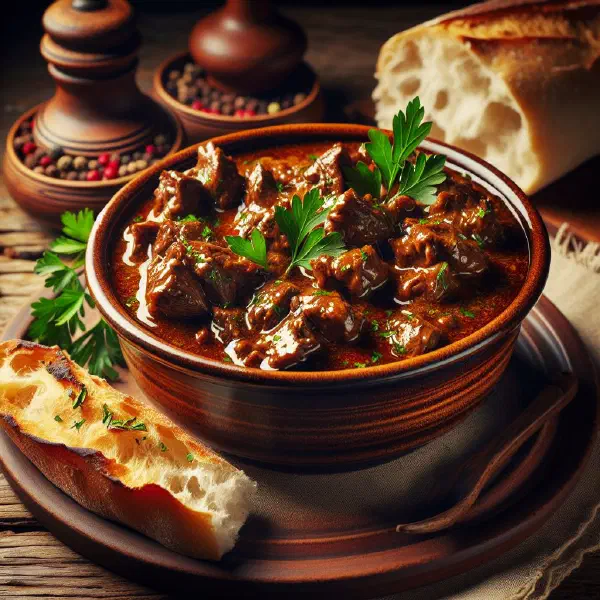
Presenting a camel tagine is every bit as important as its taste. Serve the dish straight from the clay pot at the table and garnish generously with fresh parsley or coriander. Use colourful plates and relaxed table linen to convey a North African atmosphere. Turn the meal into a sociable occasion by serving the dish with fresh bread and traditional sides such as a simple salad, perhaps some warm Mauritanian Bread.
A bit of history
The origins of camel tagine run deep in the food culture of North Africa. Traditionally, these dishes were prepared by nomads who made the most of whatever ingredients the desert provided. The clay pot, also known as a tagine, is central to the process, allowing slow, even cooking. As North African cuisine has spread, this dish has gained international popularity too, and today it is cherished in many countries around the world.
More recipe ideas
Summary: Camel Tagine
Camel tagine is a distinctive dish that captures the flavours and traditions of Mauritania. Prepared with a perfect interplay of spices and vegetables, it offers a truly unique taste experience for any meal. This dish casts its spell over everyone at the table.