National Dish Mauritania: Galettes de Mil (Recipe)
In this article
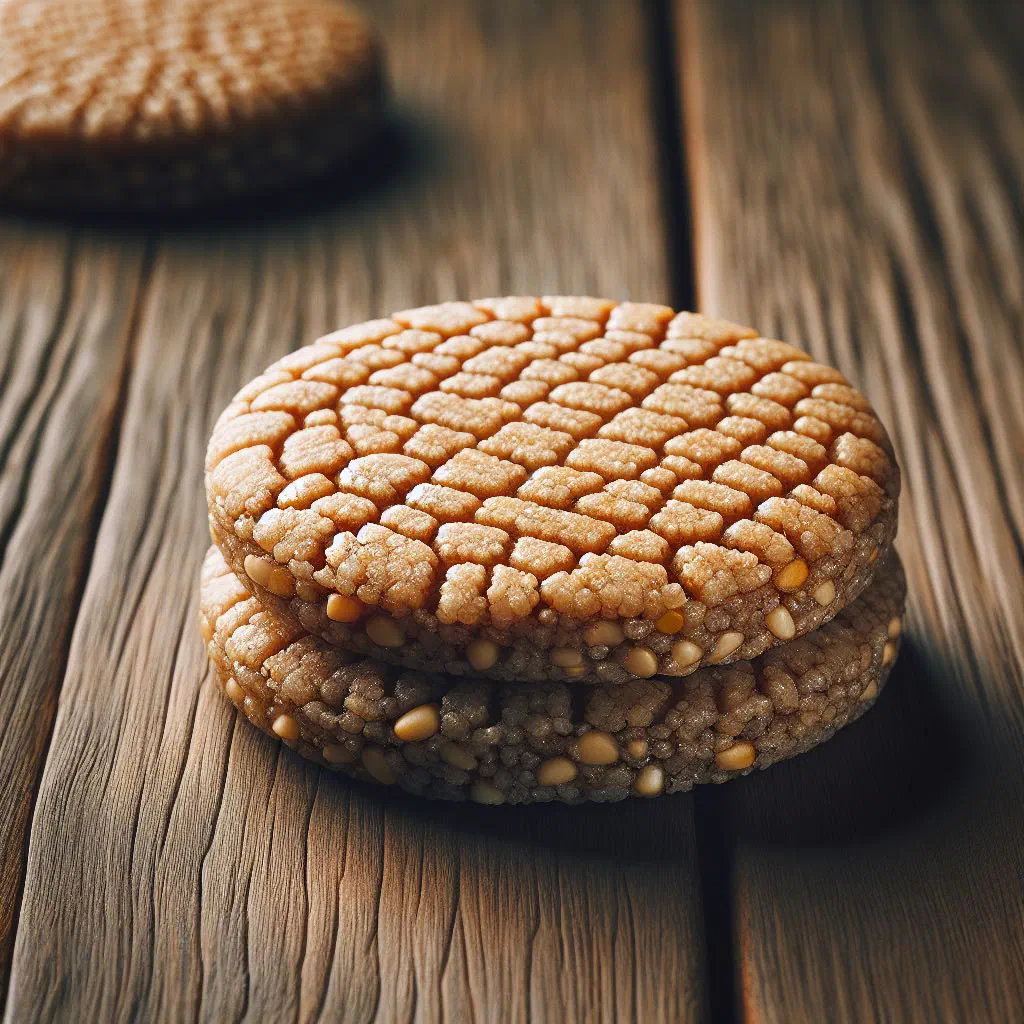
Discover Galettes de Mil, humble yet nourishing millet flatbreads that sit at the heart of Mauritanian home cooking. Made from little more than millet flour, water and a pinch of salt, they carry the earthy, subtly nutty character of one of North Africa’s oldest grains. Quick to mix and cooked in a hot pan until golden, they work equally well as a side or as the centrepiece of a simple, satisfying meal, a genuine taste of the Sahara brought straight to your kitchen.
About Galettes de Mil
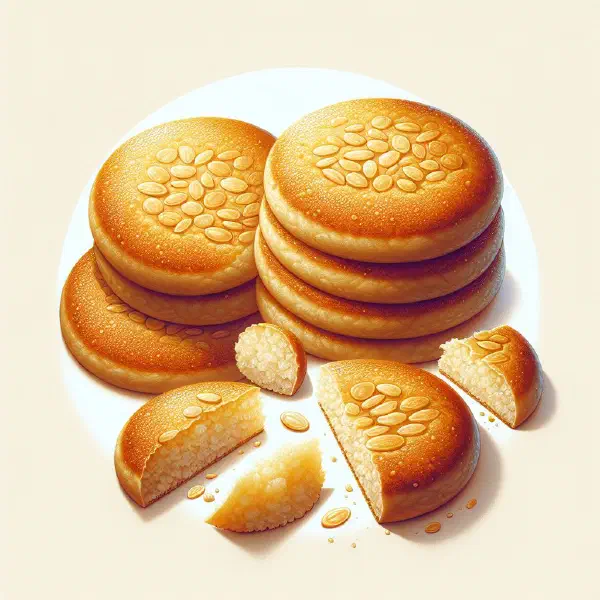
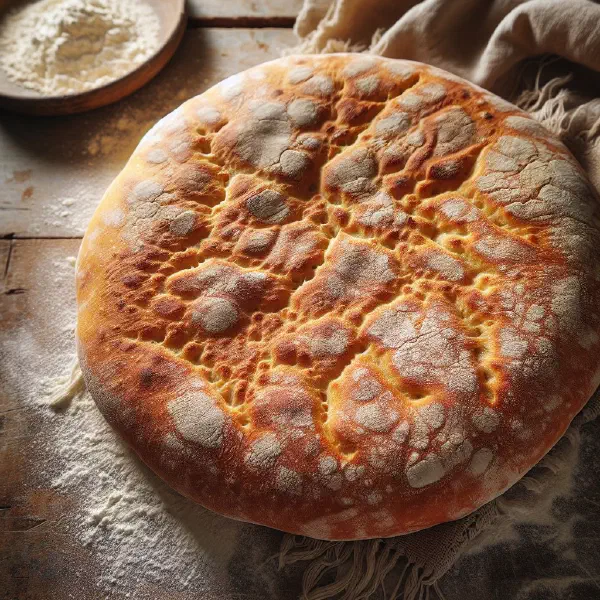
Galettes de Mil are a traditional dish from Mauritania, made from good-quality millet flour. These nourishing flatbreads are a fixture of the Mauritanian table and offer a wonderful way to explore the culinary flavours of North Africa. Thanks to their simple preparation and their versatility, they suit both a side dish and a main course. The galettes pair easily with all sorts of accompaniments, which is exactly what makes them such a popular choice for so many occasions, much like the millet flatbread Taguella baked by the nomads of the desert.
Ingredients (serves 1–2)
- 200 g millet flour
- 300 ml water
- 1 pinch of salt
- 2 tablespoons vegetable oil (optional)
Shopping for the ingredients
For the perfect Galettes de Mil, it is important to use good-quality millet flour. You will often find it in international grocery shops or health-food stores. Look for the freshest, best-quality ingredients you can to get the finest flavour. In most cases the millet flour can also be regarded as a gluten-free alternative, which makes it especially appealing for anyone with a gluten intolerance.
Preparing the dish
Preparing Galettes de Mil is straightforward and takes only a few steps. Begin by combining the millet flour with water and salt in a bowl until you have a smooth batter. Let the batter rest for around 20 to 30 minutes so it can swell. This resting time is crucial: it improves the texture of the flatbreads and gives them a pleasant, even consistency.
Step-by-step instructions
- Combine the millet flour, water and salt in a bowl.
- Knead the batter thoroughly and leave it to rest for 20–30 minutes.
- Heat a pan over medium heat with a little vegetable oil.
- Shape a portion of the batter into a round flatbread and place it in the pan.
- Fry for about 3–4 minutes on each side, until the galettes are golden brown.
Gluten-free / lactose-free version
Galettes de Mil are naturally gluten-free, since they are made with millet flour. That makes them an excellent option for anyone with a gluten intolerance. These flatbreads also contain no dairy, which makes them ideal for a lactose-free diet. As always, do check that every ingredient you use is genuinely gluten-free, particularly if you are working with any ready-made products.
Tips for vegans and vegetarians
For vegans and vegetarians, Galettes de Mil are a brilliant choice, as they contain no animal products whatsoever. You can pair them effortlessly with a range of sides, such as mixed vegetables, hummus or a punchy peanut sauce. These flatbreads are nourishing and deliver a wealth of beneficial nutrients. Adding herbs or spices enriches the flavour further and makes the dish even more moreish.
More tips and tricks
The preparation of Galettes de Mil can be adapted in all sorts of ways to suit your own taste. Experiment with different spices or herbs to give your batter a personal touch. The pan you use also has an effect on the texture of the flatbreads: a well-seasoned cast-iron pan, for example, can produce a particularly crisp exterior.
Adapting the recipe to your taste
If you would like to tailor your Galettes de Mil to personal preference, it could not be easier. Fold in vegetables such as courgette or carrot, for instance, to build in extra flavour and nutrients. Different spices such as cumin or coriander can lend the dish an interesting note too. The key is to be creative and to play with the ingredients until you have a flatbread that you and your loved ones truly enjoy.
Ingredient substitutions
If you cannot find millet flour or are simply after alternatives, rice flour or chickpea flour work well too. Both offer similar properties and can add an interesting twist of flavour. Likewise, the water can be swapped for vegetable stock to give the flatbreads more depth and savour. Whichever you choose, be sure to knead the batter well to achieve the best possible consistency.
Drink pairing ideas
To go alongside Galettes de Mil, refreshing drinks are an excellent choice. A classic mint tea complements the flavours of the food beautifully, as would a fragrant cinnamon tea. For a non-alcoholic option, a fruity juice or a yoghurt drink refreshes the palate nicely. If you prefer something alcoholic, a light beer or a soft white wine could pair well with the earthy notes of the dish.
Serving and presentation ideas
The presentation of your Galettes de Mil can lift the whole experience considerably. Serve the flatbreads on a large platter to create a welcoming spread. Garnishes such as fresh herbs or a squeeze of lemon juice add extra colour and freshness. Use colourful sides to make the overall picture even more inviting, and never hesitate to add your own personal flourish.
A bit of history
Galettes de Mil trace their origins to traditional Mauritanian cooking and are deeply rooted in the country’s culture. Millet is one of the oldest cultivated crops and plays an important role across many North African countries. Making flatbread is one of the oldest culinary techniques of all, refined over countless generations. The galettes represent more than a simple foodstuff but the tradition and heritage of Mauritanian cuisine itself.
More recipe ideas
Summary: Galettes de Mil
Galettes de Mil are a simple, versatile dish to prepare, and a wonderful showcase for the flavours of Mauritanian cuisine. They are nourishing, gluten-free, and easily adapted to personal taste. These flatbreads bring a touch of North Africa to your table. Let their variety and delicious possibilities inspire you, and enjoy both the making and the eating of this time-honoured speciality.