National Dish Mauritania: Galettes de Semoule (Recipe)
In this article
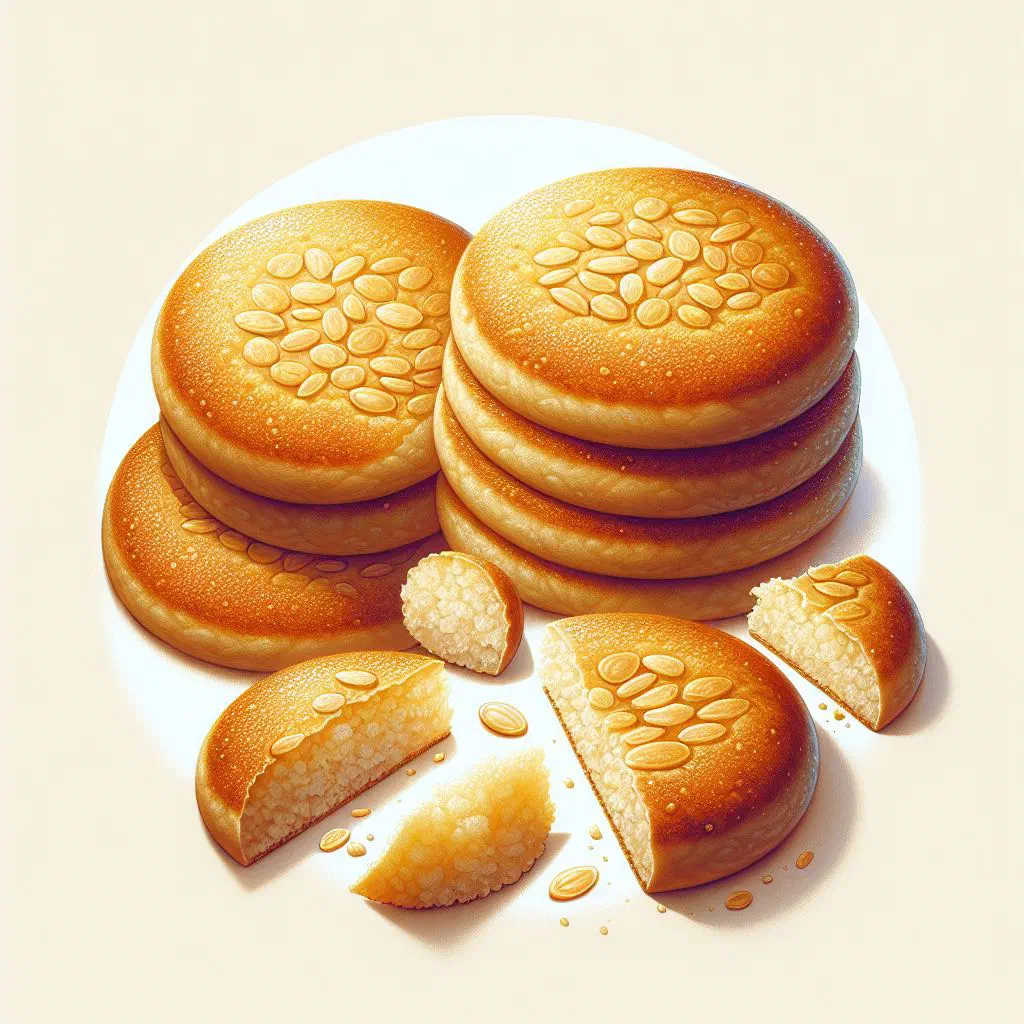
Say hello to Galettes de Semoule, the humble semolina flatbreads that turn up on tables across Mauritania. Simple to make and quietly satisfying, these little golden rounds carry a gentle hint of North Africa into your kitchen. They shine as a side to hearty stews or crisp salads, yet they are just as welcome as a stand-alone snack at any time of day. With little more than semolina, water and a splash of oil, you can bring a taste of the Sahara home.
About Galettes de Semoule
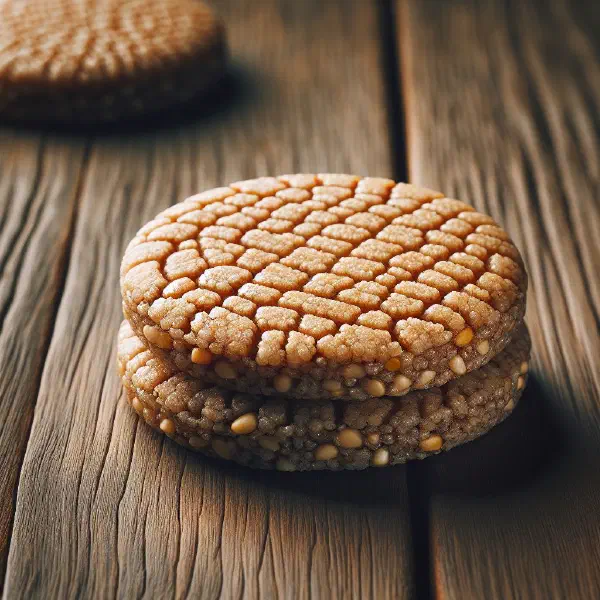
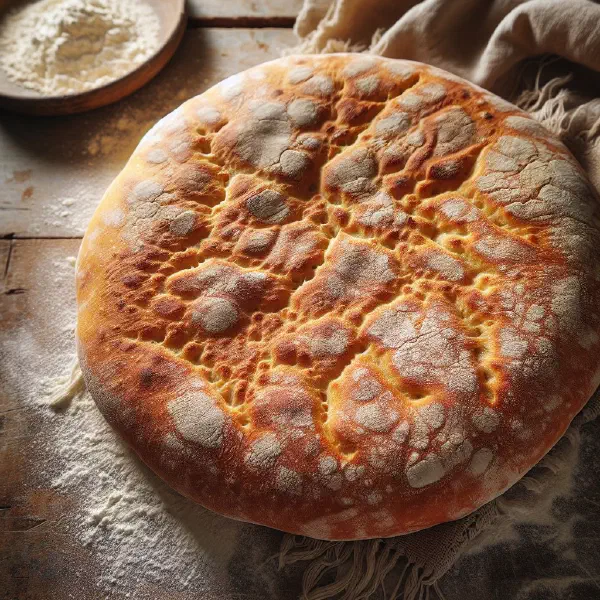
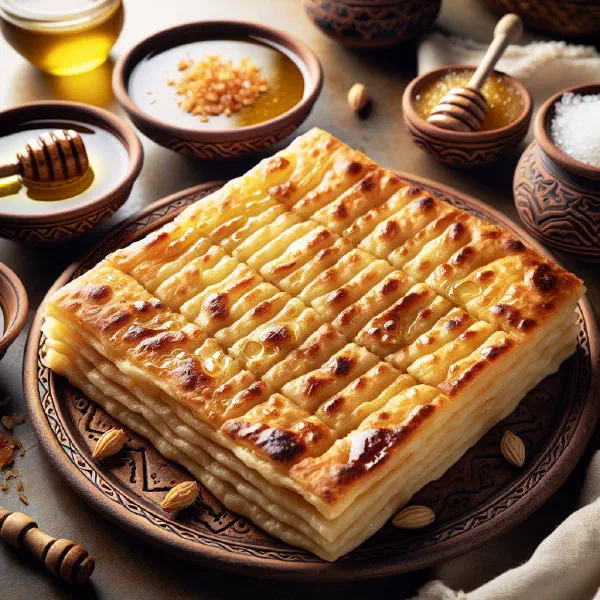
Galettes de Semoule are a traditional dish from Mauritania, prepared daily in countless households. These small, flat breads made from semolina are easy to prepare and endlessly versatile. They make the perfect accompaniment to a wide range of dishes, whether hearty stews or crunchy salads. Their golden-brown colour and pleasant texture make them a much-loved snack, enjoyed at breakfast just as happily as at any other meal.
Ingredients (serves 1–2)
- 250 g semolina
- 500 ml water
- 1 teaspoon salt
- 2 tablespoons oil
- Sugar to taste (optional)
Shopping for the ingredients
The ingredients for Galettes de Semoule are available in most supermarkets. Semolina is a staple food and is usually found in the aisle for grains and cereals. When buying, look for a good-quality fine semolina to get the best texture for your galettes. Alongside the basic ingredients, a few vegetables or sides such as hummus round the meal off nicely.
Preparing the dish
Preparing Galettes de Semoule takes barely any effort. First, gather all your ingredients and lay out the utensils you will need. A large pan for the water and a frying pan for cooking the galettes are essential. If you like, extra spices such as cumin or paprika can be added to refine the flavour and give the breads a personal touch.
Step-by-step instructions
- Bring the water to the boil in a pan and add the salt.
- Slowly stir in the semolina, stirring constantly to avoid lumps.
- Cook the mixture through for about 5–10 minutes until it thickens.
- Take the mixture off the heat, let it cool a little, then shape it into balls.
- Roll the balls out thinly and fry them in a hot pan with a little oil until golden brown on both sides.
Gluten-free / lactose-free version
Galettes de Semoule are naturally gluten-containing, as they are based on semolina. For a gluten-free version, you can use cornmeal or rice flour instead. These alternatives have slightly different textures, but they offer the flexibility to adapt the dish to specific dietary needs. The galettes are also lactose-free, as long as you stick to plant-based oils.
Tips for vegans and vegetarians
For vegans, Galettes de Semoule are an ideal choice, as they contain no animal products at all. You can easily tweak the recipe by folding extra vegetables, such as courgette or peppers, into the mixture for more flavour and nutrients. Handily, a plant-based butter or margarine can also stand in for the oil if you prefer. Experiment with different spices to draw out the aromas even further.
More tips and tricks
An important tip when making galettes is not to cook the mixture for too long, so you avoid a rubbery texture. Let the galettes rest briefly after frying so they can develop their full flavour. They can be kept warm in a warming box if you are cooking several batches. Enjoy the galettes warm or at room temperature. They always taste delicious.
Adapting the recipe to your taste
Galettes de Semoule are wonderfully adaptable and can be varied to suit your personal taste. Add different herbs or spices to try out new flavour directions. Experiment with the consistency by using a little more or less water or semolina. Working in cheese or various vegetables can also add exciting accents to the dish.
Ingredient substitutions
If you do not have semolina to hand, you can turn to alternative flours, chickpea flour, for instance, for a more protein-rich snack, much like the base of a comforting bowl of Bissara. For a vegan option, sugar can be replaced with maple syrup or agave nectar. Adjustments like these let you tailor the recipe to individual dietary needs while keeping the character of the dish intact.
Drink pairing ideas
Galettes de Semoule pair beautifully with refreshing drinks such as mint tea or a fruity smoothie. These bring an extra burst of freshness and complement the savoury notes of the galettes. For a non-alcoholic option, a lemon water with fresh herbs can be served for a light, invigorating drinking experience. Explore different combinations to round off the perfect menu, perhaps with a glass of Zrig alongside.
Serving and presentation ideas
The way Galettes de Semoule are served can elevate the whole experience. Use colourful plates or bowls for a lovely contrast and to please the eye. Garnish the galettes with fresh herbs or sides such as hummus or a zesty salsa to make the dish visually appealing. A creative arrangement is sure to impress your guests and enhance the meal, a smoky Zaalouk makes a striking companion on the plate.
A bit of history
Galettes de Semoule hail from Mauritania and are a firm part of North African cooking. They reflect the region’s gastronomic traditions and the influence of Berber and Arab culture. Historically, semolina was often used as a staple food, and the making of galettes has proven itself over generations as an important way of preparing meals. This dish stands for flavourful cooking and for the heritage and history of the region, sitting comfortably alongside the great classics of Mauritanian cuisine such as couscous.
More recipe ideas
Summary: Galettes de Semoule
Galettes de Semoule are a tasty, easy-to-make dish that appeals to everyone with their distinctive flavour. A main course or a side, they suit all sorts of occasions and adapt readily to individual preferences. With the right kit and a few creative ideas, you can enjoy these North African breads at home and bring the aromas of Mauritania to your guests. Give this recipe a try and enrich your culinary repertoire.