National Dish Mauritania: Makroud (Recipe)
In this article
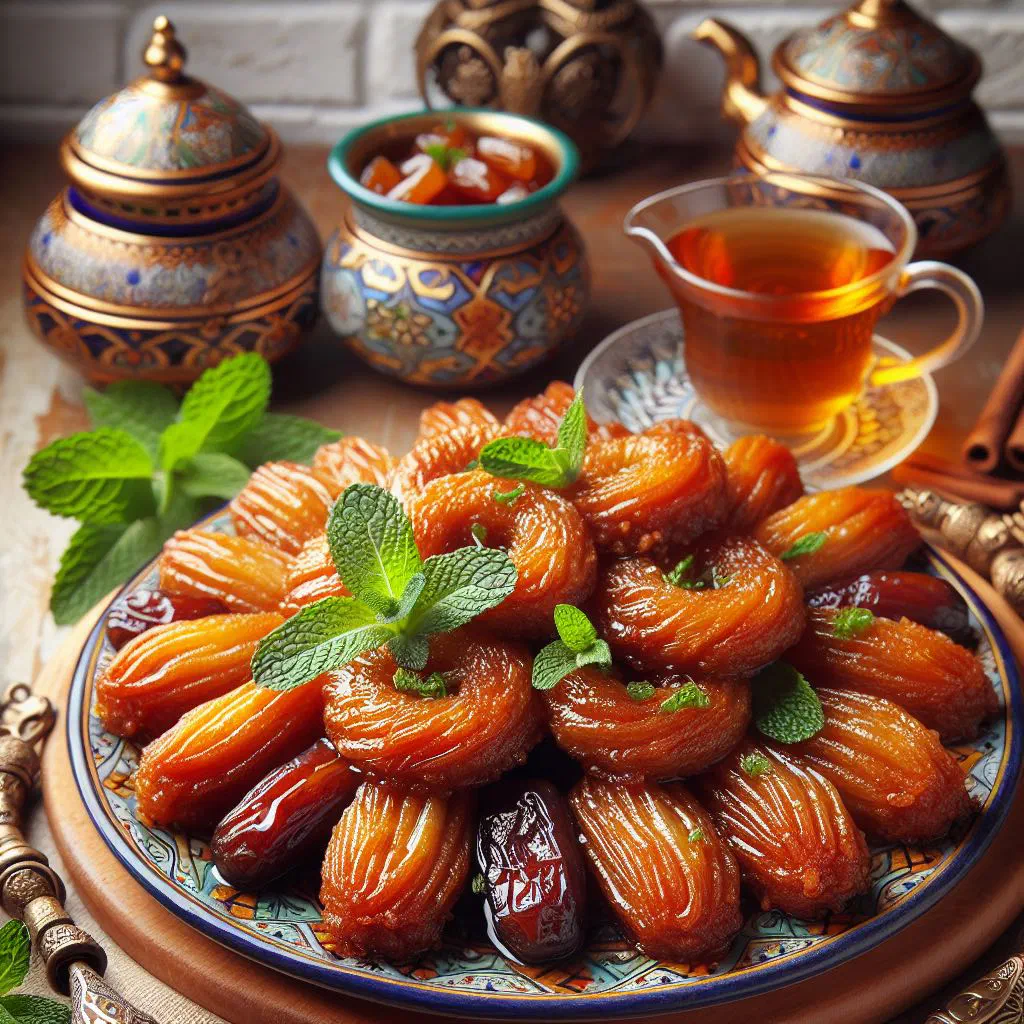
Discover Makroud, one of Mauritania’s best-loved sweet treats. These delicate little pastries pair a tender semolina dough with a fragrant filling of dates and warm spice. Fried until golden and often finished with a drizzle of honey, they walk the line beautifully between a moreish snack and a proper dessert. Bring the aromas of North Africa straight to your own kitchen with this timeless favourite.
About Makroud
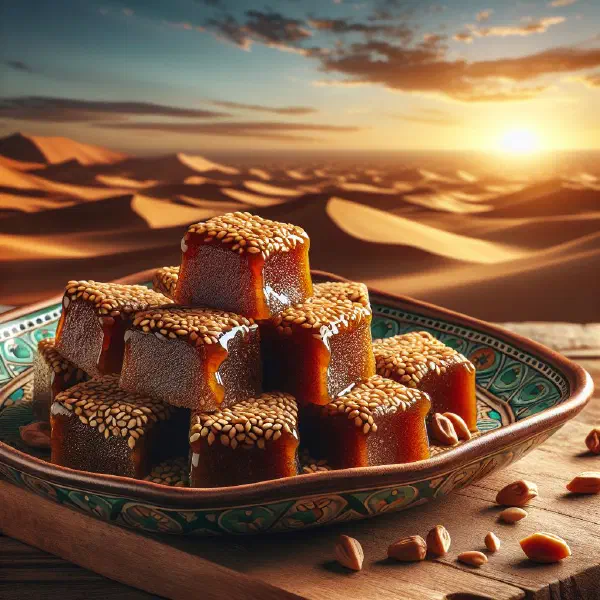
Makroud is a traditional dish from Mauritania, known for its distinctive flavour and its aromatic filling. This delicate sweet is made chiefly from semolina and is deeply rooted in Mauritanian culture. The pastries are typically filled with a mixture of dates or almonds, then fried or baked until golden. Their rich colour and sweet, nutty taste make makroud a much-loved snack or dessert in households across the region, enjoyed at everyday moments and festive occasions alike.
Ingredients (serves 1–2)
- 250 g semolina
- 125 ml water
- 100 g dried dates, cut into small pieces
- 1 tsp cinnamon
- 200 ml vegetable oil, for frying
- Pinch of salt
- Honey, to sweeten (optional)
Shopping for the ingredients
The ingredients for makroud are easy to find in most North African or Middle Eastern grocers. Look out for good-quality, fresh dates, as they have a decisive influence on the flavour of the finished dish. Semolina, also known as durum wheat semolina, is usually stocked in the grains aisle of your local supermarket. It is also worth choosing a high-quality oil for frying, one that holds up well at high temperatures.
Preparing the dish
First, pit the dates and cut them into small pieces so they blend easily into the semolina dough. Measure out the semolina and water, and set out all your remaining ingredients within reach. Remember to ready a suitable deep-fryer or a heavy pan for frying, so the pastries cook evenly and come out perfectly golden.
Step-by-step instructions
- Tip the semolina into a bowl and gradually add the water, kneading well by hand until you have a smooth, pliable dough.
- Let the dough rest for around 30 minutes so it becomes easier to shape.
- Mix the dates with the cinnamon and a pinch of salt. Flatten small portions of dough and fill each with a little of the date mixture.
- Carefully seal the filled parcels and shape them neatly.
- Heat the vegetable oil and fry the makroud in batches until golden brown.
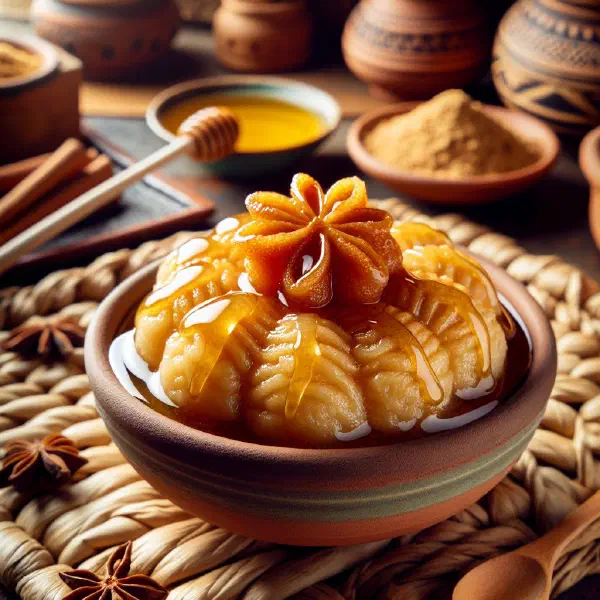
- Drain the fried pastries on kitchen paper and drizzle with honey to taste.
Gluten-free / lactose-free version
For a gluten-free version of makroud, swap the semolina for rice flour or maize flour, both of which give a similar texture and consistency. Choose vegetable oils that are naturally lactose-free for frying. Dates are naturally free from both gluten and lactose, which makes this dish an easy fit for a range of special diets without losing any of its character.
Tips for vegans and vegetarians
Makroud is naturally vegan, as long as you avoid animal products when frying. Reach for plant-based oils and consider replacing the honey with agave syrup or another plant-based sweetener. You could also experiment with different fillings, such as toasted nuts or fruit purées, for an interesting twist on the flavour. This flexibility makes makroud a superb choice for vegans and vegetarians alike.
More tips and tricks
To deepen the flavour, add warm spices such as nutmeg or cardamom to the filling. Take care that the dough does not turn too dry; add a splash more water if needed to reach the perfect consistency. Play around with different fillings and combinations to suit your own taste. Makroud also keeps well in the fridge, which makes it handy to prepare ahead of time.
Adapting the recipe to your taste
If you want to adjust the sweetness, simply vary the quantity of dates or use an alternative sweetener. The filling is easy to change too. Try combinations of dried apricots, figs or assorted nuts. For a crunchier texture, scatter the finished makroud with toasted sesame seeds, much as you would with a batch of Makroudh Au Miel.
Ingredient substitutions
Several ingredients in makroud can be swapped without any loss of flavour. If you have no dates to hand, other dried fruits such as apricots or cranberries make a good filling. In place of vegetable oil, you could use ghee or coconut oil to lend the dish a different flavour accent. When frying in particular, the choice of oil can make a real difference to the aroma.
Drink pairing ideas
A range of drinks pairs beautifully with makroud and complements its sweet notes. A fresh mint tea is the classic choice and offers a pleasant, refreshing contrast. An Arabic coffee also harmonises well, especially in lightly sweetened forms. For an alcohol-free option, serve a medley of fruit juices that echo the different flavours of the pastries, a lovely lead-in to a spread of Mauritanian sweets such as Halwa.
Serving and presentation ideas
Presentation matters when serving makroud. Arrange the fried pastries on a handsome serving platter and dust them with a little icing sugar. Small bowls of honey or syrup, for dipping the makroud, add an extra layer of indulgence. For a second creative touch, garnish the dish with fresh fruit or edible flowers to make it even more inviting to the eye.
A bit of history
Makroud has its roots in North African cooking and is found in Mauritania and in neighbouring countries such as Algeria and Morocco. Its preparation is often tied to traditional festivities and celebrations, which lends it a special significance. The use of dates in Mauritanian cooking is no accident, as the fruit plays an important role in the region’s culture and diet. Regarded as a symbol of hospitality, makroud is frequently served on special occasions and remains a proud example of Mauritanian cuisine.
More recipe ideas
Summary: Makroud
In short, makroud is a captivating and delicious treat from Mauritania that can be enjoyed as both a snack and a dessert. The combination of aromatic semolina and sweet dates makes it an indispensable part of Mauritanian cuisine. With a few tweaks and creative ideas, everyone has the chance to shape this exquisite pastry to their own taste. Let the variety and rich aroma of makroud win you over, and give it a try for yourself.