National Dish Mauritania: Pastels (Recipe)
In this article
Say hello to Pastels, the golden little parcels that turn up at just about every Mauritanian celebration. Crisp, deep-fried pockets of dough wrap a savoury filling of fish, meat or vegetables, and one bite carries the warm, sun-baked flavours of West Africa. Equally at home as a moreish snack or a proper main course, they are surprisingly simple to make and impossible to resist. Bring a taste of Mauritanian hospitality straight to your own kitchen.
About Pastels
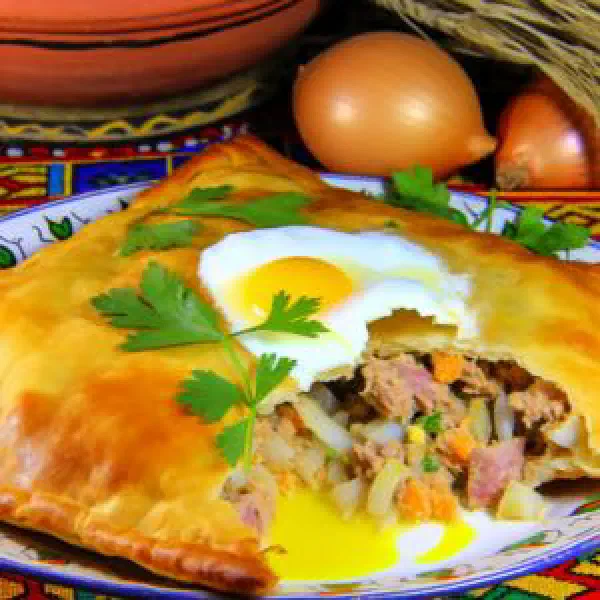
Pastels are traditional stuffed pastries that hold a treasured place in Mauritanian cooking. They are made with fresh, aromatic ingredients that capture the flavours of Africa beautifully. The filling varies from cook to cook, but you will often find fish, minced meat or vegetables tucked inside, all sealed up in a crisp, golden dough. Loved as much as a main course as they are as a snack, pastels are a fixture at countless festivities and family gatherings.
Ingredients (serves 1–2)
- 200 g plain flour
- 100 ml water
- 50 g butter or margarine
- 200 g minced meat or fish (such as tuna)
- 1 onion
- 1 teaspoon paprika
- Salt and pepper, to taste
- Oil, for deep-frying
Shopping for the ingredients
To make truly authentic pastels, choose ingredients that are fresh and of good quality. Visit a local market or a well-stocked grocer to pick up fresh minced meat or fish. When it comes to the flour, opt for a good-quality variety so you end up with a perfect dough. Beyond that, the onions and spices are yours to choose, letting you add your own personal touch to the dish.
Preparing the dish
Begin with the filling, which is the heart of any pastel. First, finely chop the onion and fry it in a pan together with the minced meat or fish. Spices such as paprika, salt and pepper round off the flavour perfectly. Leave the filling to cool while you get on with making the dough.
Step-by-step instructions
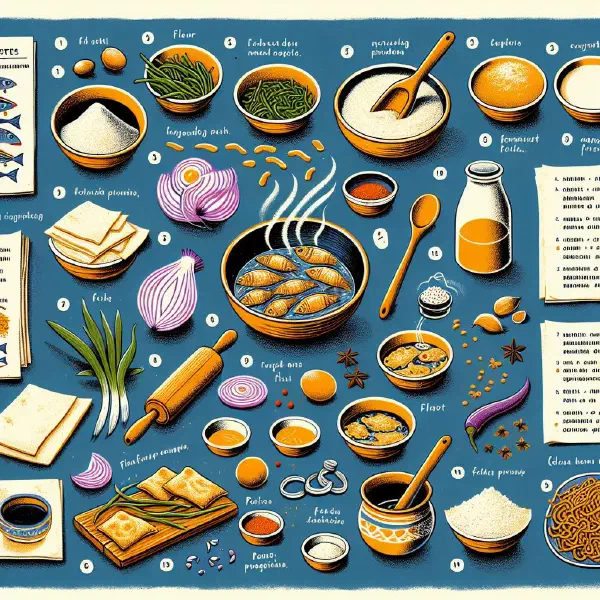
- Combine the flour, butter and water into a smooth dough and leave it to rest for about 30 minutes.
- Roll the dough out thinly on a floured work surface.
- Cut out circles of dough (around 10 cm in diameter).
- Place one to two tablespoons of the filling in the centre of each circle.
- Fold the edges together and press firmly so they do not burst open while frying.
- Heat the oil in a pan and deep-fry the pastels until golden brown.
- Drain on kitchen paper and serve warm.
Gluten-free / lactose-free version
To make pastels gluten-free, simply swap the regular flour for a gluten-free flour blend. Make sure every other ingredient, especially the spices and the oil, is gluten-free too. For a lactose-free version, replace the butter with a lactose-free product or plant-based margarine.
Tips for vegans and vegetarians
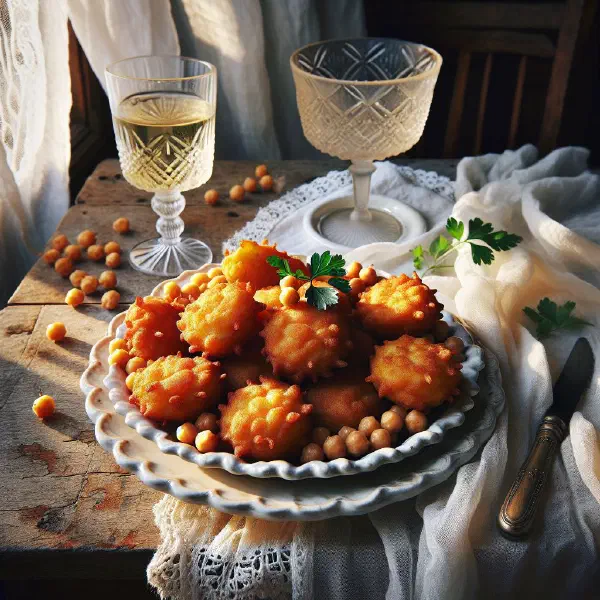
For a vegan version of pastels, swap the meat filling for vegetables or pulses such as chickpeas. Toss the vegetables with plenty of spices to build a really flavoursome mix. Plant-based oils are an excellent choice for frying and slot easily into the recipe. This way vegans can experience the true aroma of pastels without using any animal products at all.
More tips and tricks
One of the most important tips when making pastels is getting the dough to the right consistency. It should be soft but never sticky. Let it rest for long enough so the gluten can relax, which makes the dough far easier to handle. A wonderfully crisp texture comes from making sure the oil is properly hot before you slip the pastels in.
Adapting the recipe to your taste
The filling for pastels is endlessly variable and easy to tailor to what you fancy. Experiment with different vegetables, herbs or even cheese to create new flavour combinations. The spices can be adjusted to suit you too, dialling the dish up or down from mild to fiery. That way you create a fresh eating experience every single time.
Ingredient substitutions
If you do not have fresh ingredients to hand, tinned products such as canned tuna or vegetables work well and can save you both time and effort, much the same shortcut that suits Fish Balls. The spices can be swapped too, according to what you have in the cupboard or simply your own taste. When it comes to preparing pastels, there really is no limit to your creativity.
Drink pairing ideas
Pastels go wonderfully with all sorts of drinks. A refreshing mint tea is an excellent choice and offers guests an authentically Mauritanian treat. Alternatively, reach for a fruity juice, a lively Ginger Juice, say, or a light white wine to underline the flavours of the pastels. These pairings guarantee a thoroughly enjoyable culinary experience.
Serving and presentation ideas
Presenting your pastels well can lift the whole meal. Serve the little parcels on a colourful table mat or in an attractive bowl. A green salad or a scattering of fresh herbs makes a fine side and gives the dish a fresh, appealing look. A spicy dipping sauce alongside is the finishing touch that draws every eye to the plate.
A bit of history
The story of pastels reaches far back and is woven deeply into the culture of Mauritania. Originally developed as a simple, portable food for nomads, they have grown into a symbol of Mauritanian hospitality. In many households they are a must at special occasions and feasts. The recipe has evolved over the years, with new fillings and methods emerging along the way, a delicious window onto Mauritanian cuisine.
More recipe ideas
Summary: Pastels
Pastels are a flavourful, versatile dish that embodies the culinary richness of Mauritania. They are simple to make and can be adapted to suit all kinds of dietary needs. Whether filled with meat, fish or vegetables, pastels deliver a truly unique eating experience. Make the most of the many tips and ideas here to recreate these delicious little parcels in your own kitchen.