National Dish Mauritania: Ragout de Chameau (Recipe)
In this article
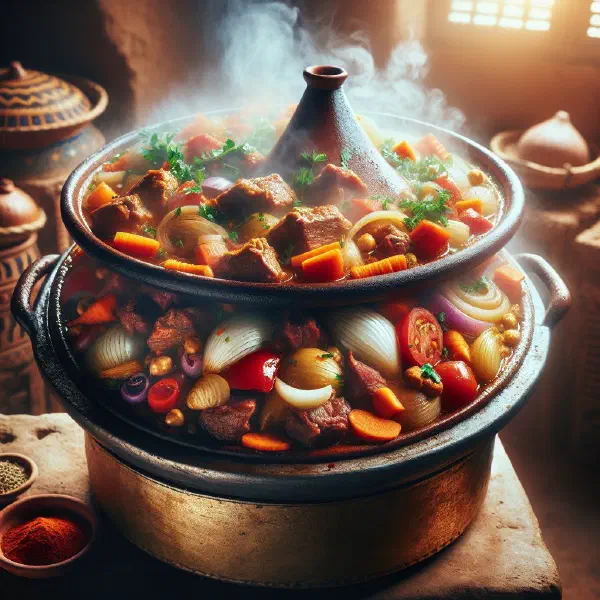
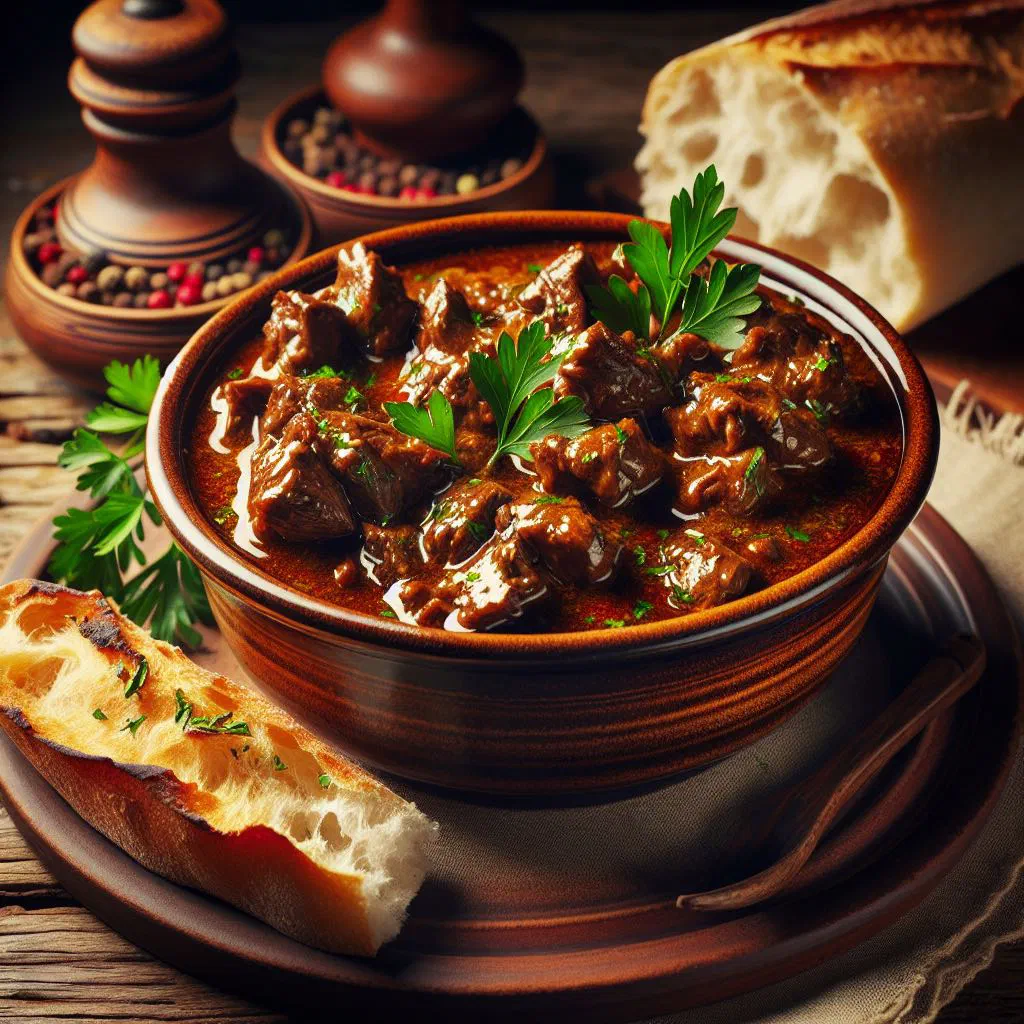
Meet Ragout de Chameau, a slow-simmered camel stew that sits at the heart of Mauritanian home cooking. Tender chunks of meat mingle with chickpeas, carrots and a warming blend of cumin, cinnamon and paprika, all melded together in a rich, aromatic broth. More than just a hearty meal, this dish carries the story of a nomadic culture shaped by the desert. Whether for a festive gathering or an everyday supper, it brings the flavours of North Africa straight to your table.
About Ragout de Chameau
Ragout de Chameau is a standout dish held in high regard across Mauritania. It pairs tender camel meat with a generous mix of fragrant spices that capture the distinctive character of North African cooking. The dish is nourishing and tells the story and traditions of Mauritanian culture.
Ingredients (serves 1–2)
- 300g camel meat, diced
- 2 tablespoons olive oil
- 1 large onion, diced
- 2 cloves garlic, chopped
- 2 carrots, sliced
- 1 tin chickpeas, drained
- 2 teaspoons cumin
- 1 teaspoon cinnamon
- 2 teaspoons paprika
- Salt and pepper to taste
- 750ml stock (chicken or vegetable)
Shopping for the ingredients
To prepare Ragout de Chameau, all your ingredients should be fresh and of good quality. Camel meat can often be found at specialist butchers or ethnic supermarkets. With fresh herbs and spices it is worth paying attention to their aromatic strength, as they have a considerable effect on the flavour of the finished dish. Make sure you also pick up the remaining ingredients, such as chickpeas and vegetables, in the best possible condition to get the very best result.
Preparing the dish
Preparing the ragout is straightforward, but it does take a little time to let the flavours develop fully. Start by chopping the vegetables and cutting the camel meat into roughly even cubes, so everything cooks at the same rate. Marinating the meat with the spices beforehand can intensify the flavour, so allow yourself a little extra time for this if you can. It also helps to make the stock in advance so it is ready to hand when the moment comes to bring everything together.
Step-by-step instructions
- Heat the olive oil in a large pot over medium heat.
- Add the onion and garlic and fry until golden brown.
- Add the camel cubes and brown them all over until lightly coloured.
- Stir in the carrots, chickpeas and the spices and mix well.
- Pour in the stock and bring everything to the boil.
- Reduce the heat and let the ragout simmer gently for around 1.5 hours, until the meat is tender.
- Taste and adjust the seasoning if needed before serving.
Gluten-free / lactose-free version
Ragout de Chameau is naturally gluten-free and lactose-free, which makes it an excellent choice for anyone with those intolerances. That said, do check that any stock and spice blends you use are also free from gluten and lactose. Avoid ready-made spice mixes that may contain unexpected ingredients. This dish is ideal for anyone who wants a hearty, nourishing meal without compromising their dietary needs.
Tips for vegans and vegetarians
Although Ragout de Chameau is traditionally made with camel meat, there are plenty of ways to create a plant-based version. Swap the meat for firm tofu or seitan to achieve a similar texture. The spices and the cooking method stay the same, and the dish can still be rich and full of flavour. Experiment with different vegetables and pulses to create your own personal take on it.
More tips and tricks
To make your Ragout de Chameau even tastier, marinate the meat a few hours before cooking. This deepens the flavours and makes the meat even more tender. A pinch of chilli or extra vegetables such as aubergine can also be added to give the dish more depth. Serve the ragout with freshly baked flatbread to round out the flavour and enjoy a complete meal. For a change of pace, the same spice base works beautifully in a Tagine de Chameau.
Adapting the recipe to your taste
Ragout de Chameau is easy to tailor to personal preference. If you like it milder, simply cut back on the amount of spice. Add a little more vegetable if you want a more filling dish. The cooking time can also vary depending on the size of the meat pieces, so it is important to keep an eye on how tender the meat becomes.
Ingredient substitutions
If camel meat is hard to find, other meats such as lamb or beef work well too, lamb in particular shines in a dish like Lamb Tagine. When it comes to spices, you could try curry powder or garam masala, depending on what you have, to discover new flavours. Chickpeas can be swapped for lentils if you like, which makes for an interesting variation of its own. Bear in mind that each ingredient affects the texture and flavour of the dish, which is exactly why it is worth experimenting.
Drink pairing ideas
Many different drinks suit an aromatic dish like Ragout de Chameau. A robust red wine, such as a Syrah, complements the hearty flavours beautifully. For an alcohol-free option, a mint tea is very traditional and refreshing. You could also experiment with fruity lemonades, which help balance the warmth of the dish. These drinks make sure the whole culinary experience is fully enjoyed.
Serving and presentation ideas
An attractive presentation of Ragout de Chameau can lift the entire dining experience. Serve the dish in deep, traditional bowls and garnish it with fresh herbs such as coriander or parsley. A few slices of lemon or lime can be added as pretty accents. To emphasise the North African atmosphere, use colourful textiles or natural materials for your table setting.
A bit of history
Ragout de Chameau has deep roots in Mauritanian cuisine, which is strongly shaped by a nomadic way of life and the region’s climatic conditions. Camels were traditional working animals that provided both meat and milk, making them an important source of food. The dish is often served at large family gatherings or festive meals and is a symbol of hospitality. Historically, dishes like this reflect people’s connection to nature and to their way of living.
More recipe ideas
Summary: Ragout de Chameau
In summary, Ragout de Chameau is a delicious dish and offers a deep insight into Mauritanian culture and history. Thanks to its many preparation options, it is easy to adapt to individual preferences. With the right choice of ingredients and spices, this dish becomes the centrepiece of any meal. Give this hearty speciality a try and let the flavours of North Africa work their magic on you.