National Dish Mauritania: Vegetable Tagine (Recipe)
In this article
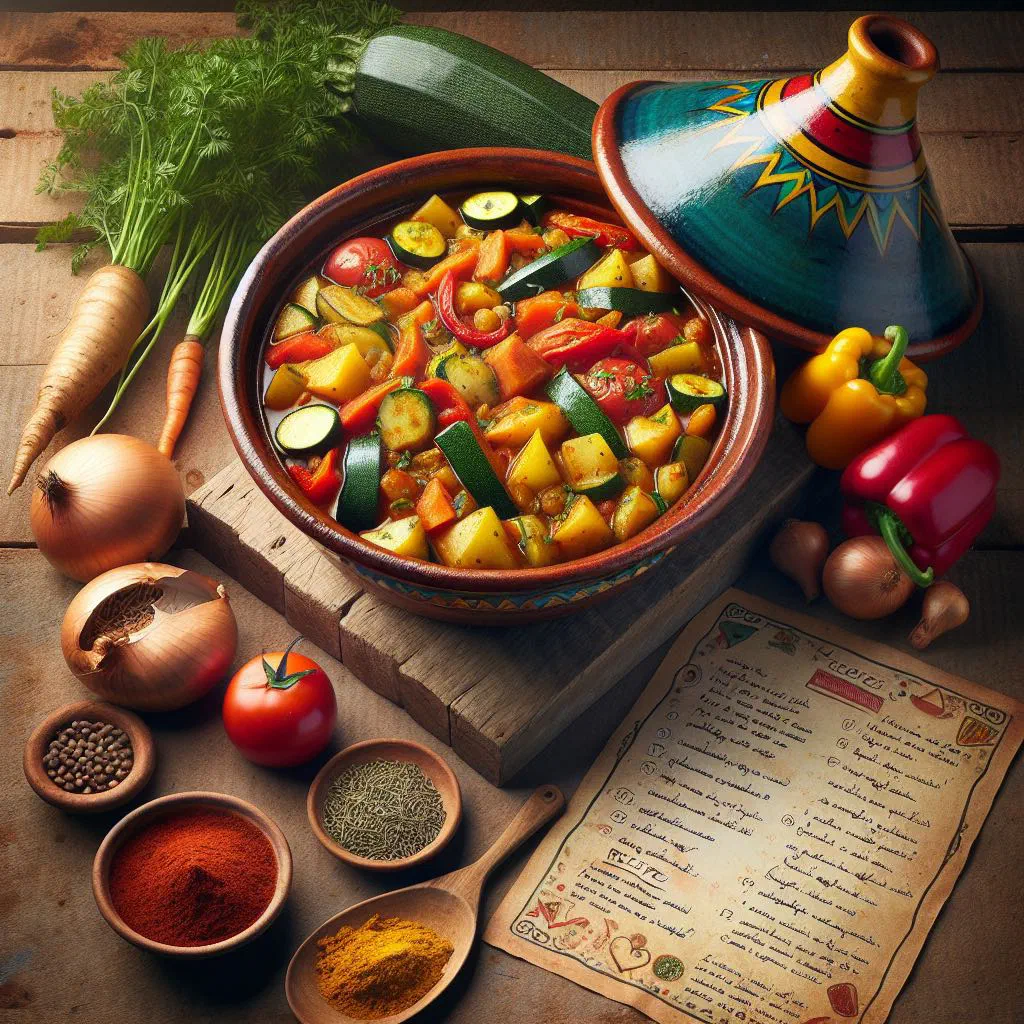
Discover Vegetable Tagine, a wonderfully colourful classic of Mauritanian cooking. This hearty vegan dish gently simmers a medley of fresh vegetables and chickpeas with warming North African spices until everything turns meltingly tender. Fragrant with cumin and coriander, it is as nourishing as it is satisfying, and it fills the kitchen with the unmistakable aromas of the region. Bring a taste of Mauritania to your own table with this easy, wholesome one-pot meal.
About Vegetable Tagine
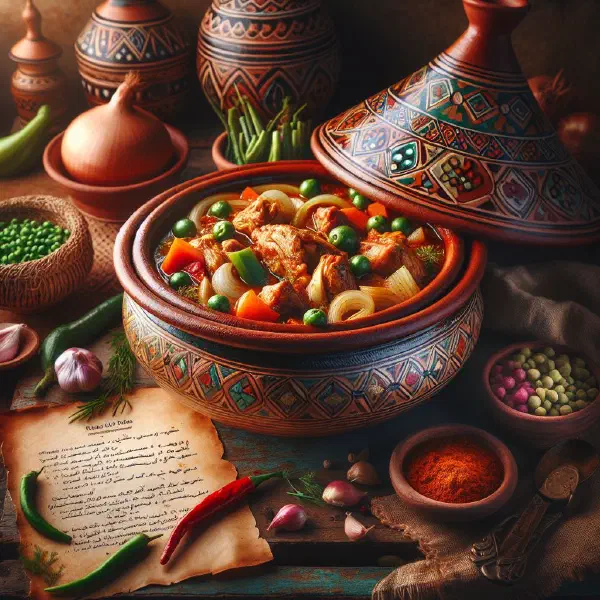
Vegetable Tagine is a traditional dish from Mauritania, prepared with a generous variety of fresh vegetables and aromatic spices. It is a feast for the senses and a brilliant way to take in plenty of vitamins and nutrients. In Mauritanian kitchens the tagine is often cooked in a special earthenware pot that intensifies the flavour and lets the aromas unfold to perfection. With its rich, colourful mix of ingredients, this dish is a pleasure for every palate and enjoys enduring popularity.
Ingredients (serves 1–2)
- 1 courgette
- 1 carrot
- 1 pepper
- 200g chickpeas (cooked)
- 2 garlic cloves
- 1 onion
- 1 tsp cumin
- 1 tsp coriander
- Salt and pepper to taste
- Olive oil
Shopping for the ingredients
To prepare Vegetable Tagine, you should use fresh, good-quality ingredients. When shopping, try to choose vegetables that are as regional and seasonal as possible, since this not only improves the flavour but is also kinder to the environment. Chickpeas can be used either freshly cooked or from a tin; the latter saves time. It is also worth visiting your local spice shop to find fresh spices such as cumin and coriander, which are crucial to the aroma of the dish.
Preparing the dish
Preparing Vegetable Tagine is straightforward, though it does call for a little planning. Begin by washing and cutting all the vegetables into even pieces so they cook uniformly. Finely chop the onion and garlic, as these form the flavour base of the dish. Don’t forget to drain the chickpeas well so that the tagine doesn’t turn out too watery.
Step-by-step instructions
- Heat a little olive oil in a large pot or a tagine over medium heat.
- Add the onion and garlic and fry until golden brown.
- Stir in the chopped vegetables and the chickpeas, mixing everything together well.
- Season with cumin, coriander, salt and pepper to taste, and let the vegetables toast briefly.
- Add a splash of water, cover the pot and let the dish simmer for about 30 minutes, until the vegetables are tender.
Gluten-free / lactose-free version
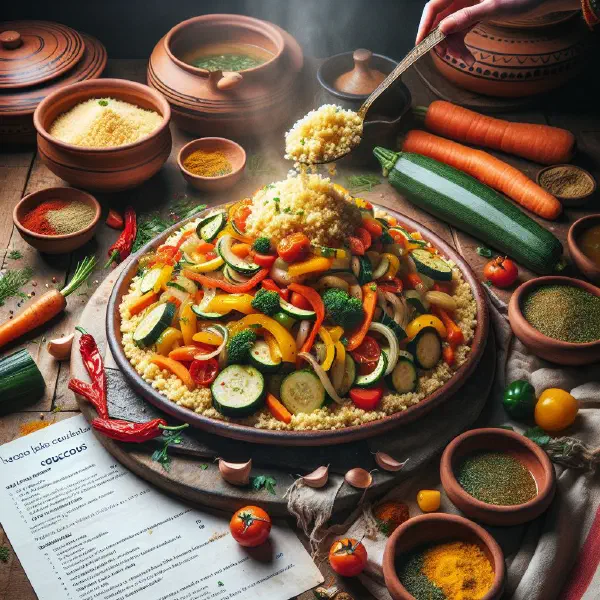
The recipe for Vegetable Tagine is naturally gluten-free and lactose-free, which makes it a superb choice for anyone with those intolerances. Do check the ingredients for possible allergens before buying. If you’d like to make the dish more substantial, you can serve it with gluten-free sides such as quinoa or rice, which pair beautifully with the flavours of the tagine, much as they would with a bowl of Couscous aux Légumes. That keeps the meal both healthy and delicious.
Tips for vegans and vegetarians
For vegans and vegetarians, Vegetable Tagine is a delicious and nourishing choice. It contains no animal products and can be adapted entirely to taste. You can enrich the recipe with extra plant-based proteins such as tofu or beans for an even more filling meal. Experiment with a wide range of vegetables to bring variety to your plate and treat your palate.
More tips and tricks
A few tips can help take your Vegetable Tagine to the next level. Use fresh herbs such as coriander or parsley as a garnish to ensure a fresh flavour and an appealing look. Slow simmering is key so that the aromas can develop fully, so it’s wise not to set the heat too high. Play with the quantity of spices to adjust the dish precisely to your own taste.
Adapting the recipe to your taste
The wonderful thing about Vegetable Tagine is how easily it can be adapted to personal preference. Feel free to add your favourite vegetables or leave certain ingredients out, depending on the season or what’s available. For a spicy kick you can also add chilli or hot peppers. Let your creativity run free to create a truly personal flavour experience, the same spirit that guides a dish of Légumes Farcis.
Ingredient substitutions
If certain ingredients are hard to find, there are plenty of alternatives for Vegetable Tagine. Instead of chickpeas, for example, you can use lentils, which offer a similar texture and nutritional density. The vegetables, too, can be swapped according to personal taste or availability. Remember that the main focus lies on the spices, which give the dish its aroma and bring variety into play.
Drink pairing ideas
To make the meal even more enjoyable, you can serve suitable drinks alongside Vegetable Tagine. A refreshing mint tea is a classic Mauritanian companion that complements the flavours of the dish beautifully, as does a fragrant cinnamon tea. Non-alcoholic cocktails based on fruit juice are another excellent choice. For those who prefer something a little more robust, a light wine that echoes the spices of the dish is worth a try.
Serving and presentation ideas
The presentation of Vegetable Tagine can elevate the whole culinary experience. Serve the dish in the traditional tagine to convey an authentic impression. Using colourful plates or bowls can also bring out the colours of the vegetables. Adding fresh herbs or a squeeze of lemon just before serving rounds off the visual appeal and intensifies the aromas.
A bit of history
Vegetable Tagine has its roots in the rich culinary heritage of North Africa. This dish reflects the traditional agriculture and the variety of spices that are so beloved across the region. Historically, the tagine was developed as a practical cooking method for preparing flavourful meals even in sparse environments. By using regional ingredients, it upholds the cultural identity of Mauritanian cuisine, which has absorbed many influences over the centuries.
More recipe ideas
Summary: Vegetable Tagine
In summary, Vegetable Tagine is a versatile and flavourful dish that is rich in both aromas and nutrients. It appeals not only to vegans and vegetarians but offers a healthy, delicious option for everyone. With simple ingredients and an uncomplicated preparation, it is an excellent choice for an everyday dinner or a celebration. Discover the culinary variety of Mauritanian cooking and let its aromas enchant you.