National Dish Mauritania: Zemmita (Recipe)
In this article
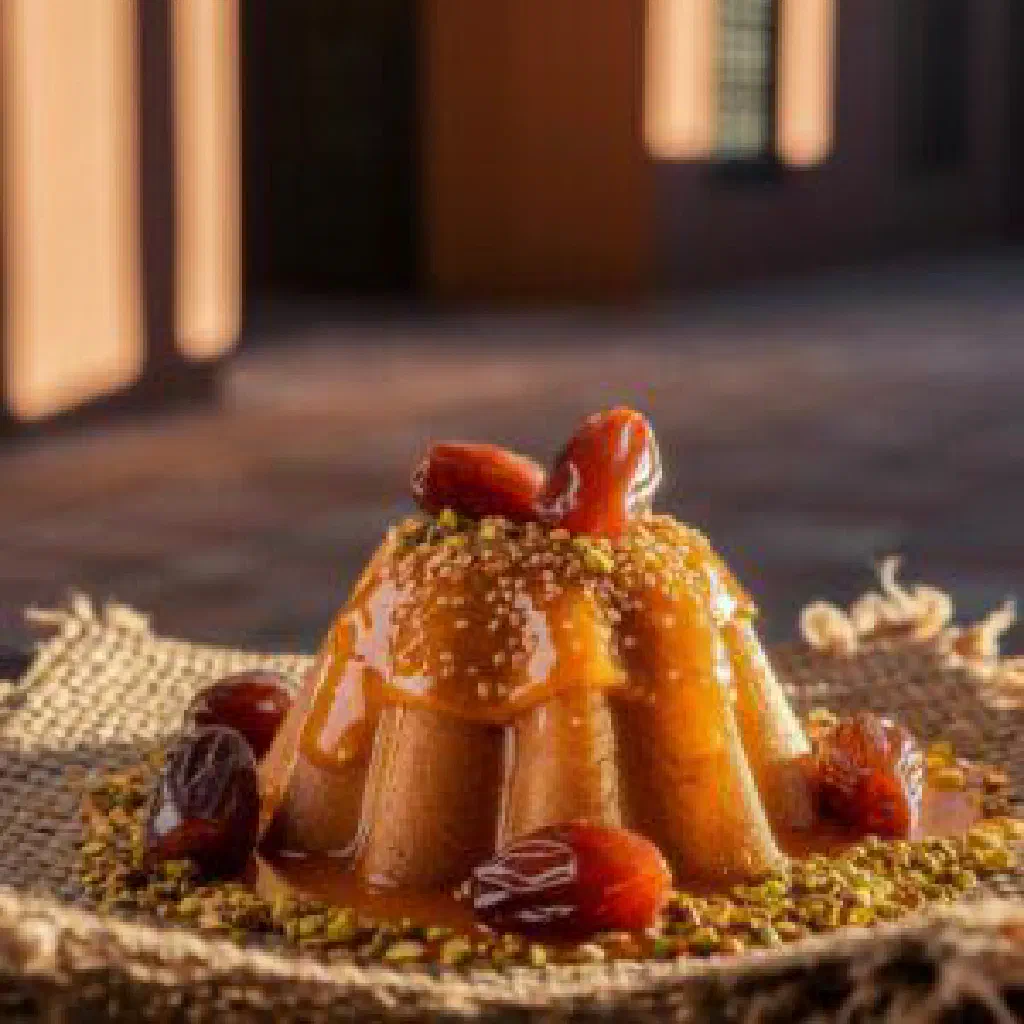
Meet Zemmita, the humble yet deeply satisfying national dish of Mauritania. Built from little more than roasted flour, water and a handful of warming spices, it turns the simplest of pantry staples into something nourishing and comforting. Traditionally shared among family and friends, Zemmita is as much a symbol of Mauritanian hospitality as it is a meal. Proof that the most memorable food often comes from the fewest ingredients.
About Zemmita
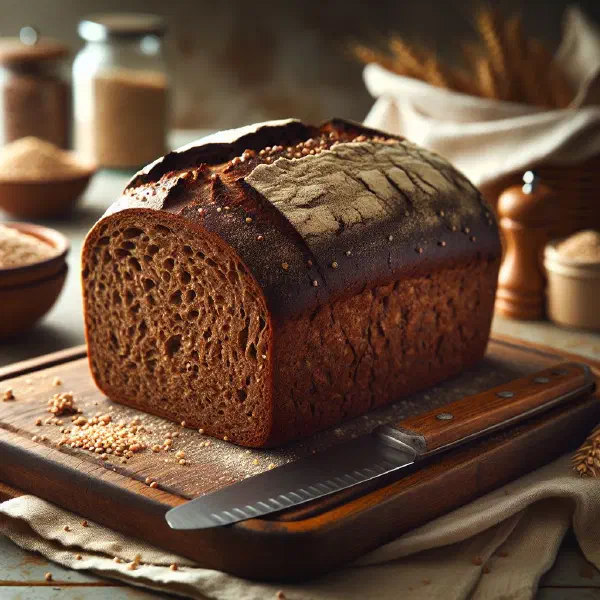
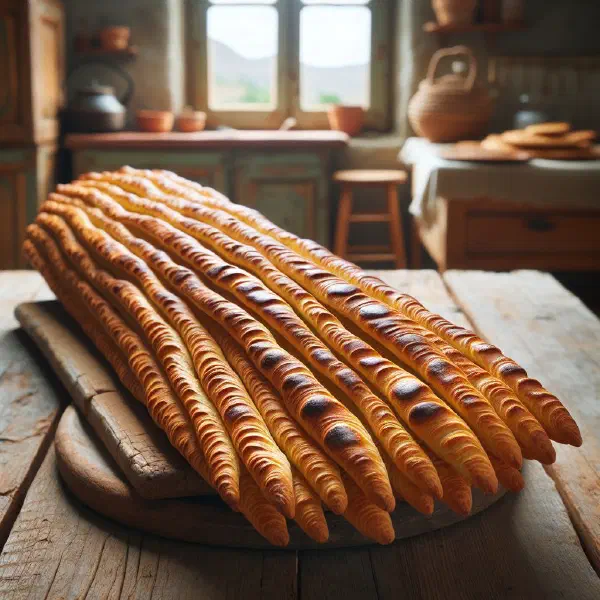
Zemmita is a hearty and nourishing dish that offers far more than a quick bite. It brings together a few humble ingredients, roasted flour, water and spices, to create a wholesome base that pairs beautifully with vegetables, meat or a simple dip. The result is a versatile flatbread-style dish, deeply rooted in everyday Mauritanian cooking. Because it is so often enjoyed in good company, Zemmita has come to stand for hospitality and togetherness, making it a fitting centrepiece for shared meals.
Ingredients (serves 1–2)
- 150g roasted flour
- 300ml water
- 1 teaspoon salt
- 2 tablespoons olive oil
- Spices to taste (e.g. cumin, paprika)
Shopping for the ingredients
For the perfect Zemmita, it is worth buying fresh, good-quality ingredients. Seek out roasted flour at local markets or shops stocking North and West African produce, where this speciality is most commonly found. Take care to choose good spices too, as they shape the defining flavour of the dish. Reaching for regional products keeps everything fresh and supports local growers, much the same spirit that runs through a classic Mauritanian Couscous.
Preparing the dish
Preparing Zemmita is refreshingly straightforward and takes very little time. Begin by tipping the roasted flour into a bowl, then add the salt and your chosen spices. Mix the dry ingredients thoroughly so the seasoning is evenly distributed. Have your water ready and warmed gently, a little heat makes the dough softer and easier to bring together.
Step-by-step instructions
- Put the roasted flour in a bowl and mix it with the salt and spices.
- Warm the water slightly and add it slowly to the flour, stirring with a spoon as you go.
- Knead the dough by hand until smooth and pliable, adding a little more water if needed.
- Shape the dough into a flat disc and let it rest for a few minutes.
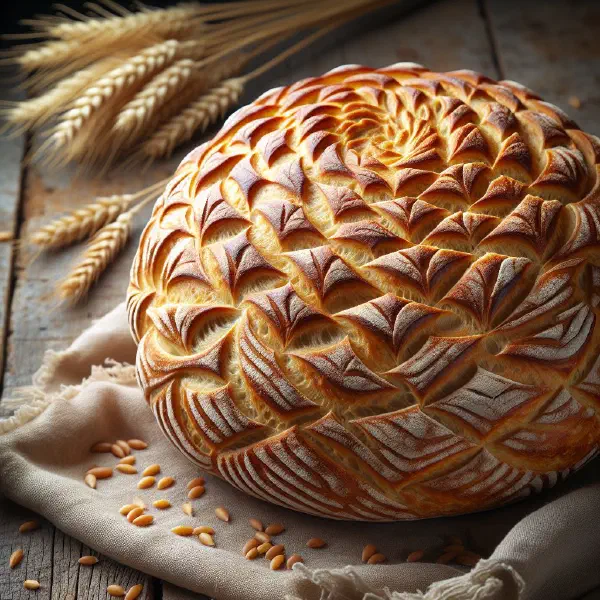
- Heat a pan and cook the disc for 5–7 minutes on each side, until golden brown.
Gluten-free / lactose-free version
For anyone with a gluten intolerance, Zemmita can be made with gluten-free flour instead. Rice or almond flour both work well, offering a similar consistency to the original. To keep the dish lactose-free, simply use plant-based oils rather than butter or dairy in the preparation. With these small adjustments the original character of the dish stays intact, while making it accessible to far more people.
Tips for vegans and vegetarians
Zemmita is naturally meat-free, which makes it an easy win for vegans and vegetarians. You can enrich the dish with colourful vegetables such as peppers, courgette and carrots, or serve it with a vegan sauce or avocado dip to deepen the flavour. Experiment with different vegetables to keep things varied and interesting, a lighter counterpart to a warming bowl of Bissara.
More tips and tricks
One ingredient that often gets overlooked is the spices. Depending on the region and your own taste, it is well worth experimenting to find the perfect aroma for your Zemmita. The consistency of the dough can be adjusted too, giving you either a thicker or a thinner version. The key is to knead the dough well so it has the right texture and does not crack during cooking.
Adapting the recipe to your taste
The beauty of Zemmita lies in its versatility. You can easily tailor the recipe to your personal preferences by adding different spices or extra touches such as fresh herbs. Consider bringing in local ingredients to forge a connection with your own region and its culinary traditions. Do not be afraid to try new combinations and create a Zemmita that is entirely your own.
Ingredient substitutions
If you are missing certain ingredients, or simply fancy a change of direction, there are plenty of alternatives that will not compromise the dish. Roasted flour can be swapped for other types of flour that offer a similar taste and texture. You might also use stock in place of water to lend the dish more depth of flavour. Just remember to adjust the quantities to suit whichever substitutions you choose.
Drink pairing ideas
When it comes to what to drink alongside Zemmita, fresh juices or mint tea are the traditional choices. Both harmonise beautifully with the savoury character of the dish. Aim for drinks that are not overly sweet, so the natural flavour of the Zemmita is never overshadowed. A light, sparkling mineral water also makes a refreshing option.
Serving and presentation ideas
Thoughtful presentation can noticeably lift the enjoyment of Zemmita. One simple trick is to serve it in an elegant bowl or on a rustic wooden board. Add fresh herbs as a garnish and offer a selection of sides in separate dishes. A scattering of spices or nuts over the top creates an attractive visual finish and tempts your guests to dig in.
A bit of history
Zemmita has a long history and is deeply woven into Mauritanian culture. Traditionally prepared in rural areas, the dish reflects the simple yet flavourful cooking of the region. It is far more than a meal. It is a symbol of hospitality and the closeness of family. Served at special occasions and celebrations, Zemmita holds a place of genuine importance in Mauritanian cuisine and society.
More recipe ideas
Summary: Zemmita
In short, Zemmita is a versatile and flavourful dish that is simple to prepare and offers enormous culinary flexibility. Whether as an easy lunch or a festive supper, it is an excellent choice that pleases both the stomach and the heart. With a few small tweaks the dish can readily be made vegan or gluten-free, catering to a range of dietary needs. Discover the authentic flavours of Mauritania and share this delicious dish with friends and family.